Storytelling is important in business because most of the decisions that matter, who buys from you, who joins you, who backs you and who stays, are made by people who can't check everything and go on a sense of who you are. A clear, true story gives them that sense quickly, and it works inside the company as well as outside it.
This post looks at storytelling as a business skill rather than a marketing tactic: how it helps with sales, hiring, funding, leadership and price, and what happens to businesses that can't explain themselves. If you're after the brand and marketing angle, that's in why brand storytelling is important and how a brand story can enhance marketing. I'm going wider here, and I'll try to keep it practical.
Why is storytelling important in business, and not only in marketing?
Because every business has to explain itself to someone every day. A new hire wants to know what they've joined. A customer wants to know if you're the right choice. A bank, an investor or a landlord wants to know if you'll still be here in three years. A journalist wants a reason to write about you. Each is asking some version of the same question: what's this business actually about?
Without a story, the answer comes out differently every time, depending on who's asked and how tired they are. With one, the whole organisation says roughly the same thing, and it sounds like a real company rather than a list of services. That consistency is worth more than most owners realise. It's what lets a business scale beyond the founder, because the founder can't be in every conversation.
There's an uncomfortable truth underneath this. In the UK most businesses are tiny. Government figures show that at the start of 2025 there were an estimated 5.7 million private sector businesses, and about 4.27 million of them had no employees at all, so roughly three in four are one-person operations. If you're competing in a market that crowded, being competent isn't enough to be noticed. Being understood is.
How does storytelling help you win customers?
It shortens the distance between "I've heard of you" and "I trust you". Most buying decisions in business happen when the buyer can't fully judge the quality of what they're getting. They can't inspect the plumbing, audit the accounting or assess the film before it's shot. So they look for signals about the people and the way they work.
A story is one of the strongest signals available. A founder who can explain, simply and honestly, why they do the work, what went wrong once and what they learned, sounds like someone who can be trusted with a job. A business that lists its credentials sounds like every other business that lists its credentials.
It also changes the sales conversation. When a prospect has already watched a film or read a page that tells your story, they arrive with context. You spend less time introducing yourself and more time on their problem. Sales teams tell me the difference is obvious: the calls where the person already feels they know you are the ones that move fastest. The channels for this are covered in what brand storytelling in marketing looks like, and there's a look at customer proof in customer testimonial videos.
Why does storytelling matter for hiring and keeping people?
People choose where to work partly on what the business stands for and what working there would be like. A salary and a job spec don't tell them that. A story does.
Candidates check you out. They read your site, watch what you've published and look at who's in the pictures. A business that shows its real people talking about the real work gives them something to picture themselves in. One that shows stock images and a list of benefits gives them nothing to hold on to.
It matters after they've joined, too. New starters who know where the business came from and why it makes the decisions it does find their feet faster. They don't have to guess what's acceptable and what isn't. The story becomes the quiet rulebook: "We don't cut corners on a job like that, because of what happened on the first one." That sort of thing passed on in conversation holds a team together far better than a values poster, and I've seen it written down far less often than it should be. I've dug into the recruitment side in recruitment and employer brand videos.
A story is how a business remembers why it does things, and how new people learn it without a manual.
A business's story affects who applies, who accepts and who stays.
How does storytelling help with investors, funders and partners?
The numbers get you through the door, but a story is what people remember afterwards. Anyone who's sat on the other side of a pitch knows the feeling of seeing a dozen decks with the same slides in the same order. The ones that stick are the ones where you understand the person and why they're the right one to do it.
For smaller businesses, this extends to lenders, landlords, suppliers and potential partners. They're all asking if you're reliable and if you'll be around. A founder who can tell a short, clear and true account of the business, how it started, what it's learned and where it's heading, reads as someone in control. It doesn't replace the accounts. It makes the accounts easier to believe.
The same applies to charities and community organisations trying to win funding, where the story has to carry evidence of change. I've written about that in brand films for charities.
Can storytelling help you charge more?
It can, and this is one of the least talked about benefits. When a business is hard to tell apart from the next one, the only thing left to compete on is price. When a customer understands why you do it the way you do, and has a feeling about who you are, they compare you on different terms.
I've watched this happen with craft businesses in particular. A pair of hand-made shoes that takes six months is expensive. A film that shows the 210 steps, as we made for Carreducker, makes the price make sense, because the viewer now knows what they're paying for. Nothing's been discounted and nobody's been persuaded with a trick. They've simply been shown the work. That's the thinking behind why we don't undercut on price, and it applies to any business with something real behind it.
I'd add a note of caution. A story can support a price, but it can't justify one that the work doesn't deserve. If the product isn't good, a story only makes people notice that faster.
What does storytelling do for leadership and internal communication?
Quite a lot, and it's usually neglected. A leader who's explaining a change, a hard year or a new direction can give a list of reasons or tell people what's happening in a way they can follow. The second works better. People remember a story and repeat it, and the more often it's repeated accurately, the less room there is for rumour.
It's also how the business holds on to what it knows. Founders carry a huge amount in their heads: why a supplier was chosen, why a service was dropped, what the first big client taught them. When that stays unspoken, it's lost the moment someone leaves. Capturing it in stories, on paper or on film, is a kind of insurance. Filming a founder talking through the early years is one way to keep it, so the next generation of staff can see it.
What happens to businesses that don't tell their story?
Usually nothing dramatic. They just get compared on price, and they get forgotten. The work might be excellent, but nobody outside the existing customers knows it, because the business has never explained what makes it different. They rely on referrals, which is fine until a good source dries up, and they struggle to hire because candidates can't see what they're signing up to.
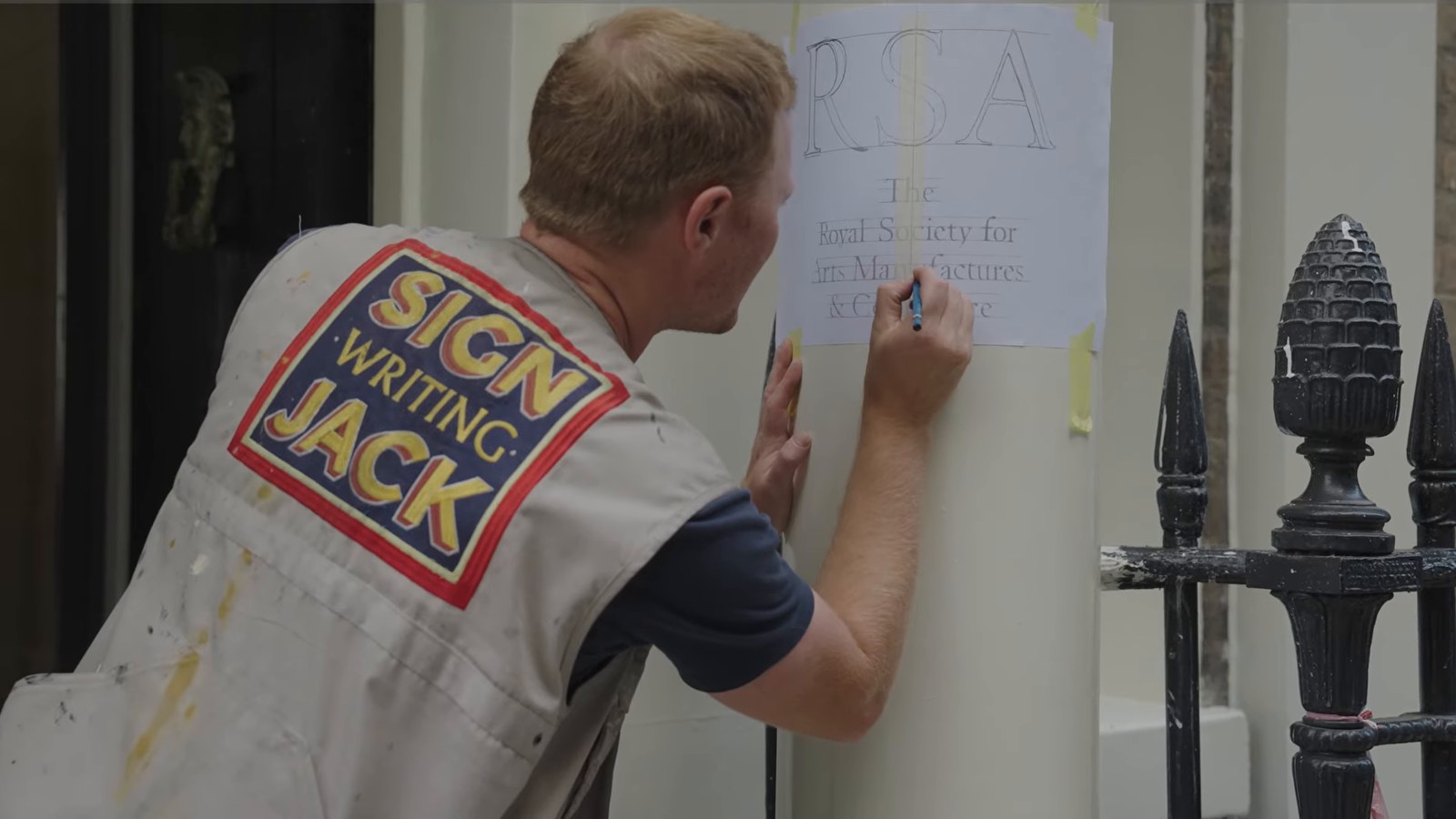
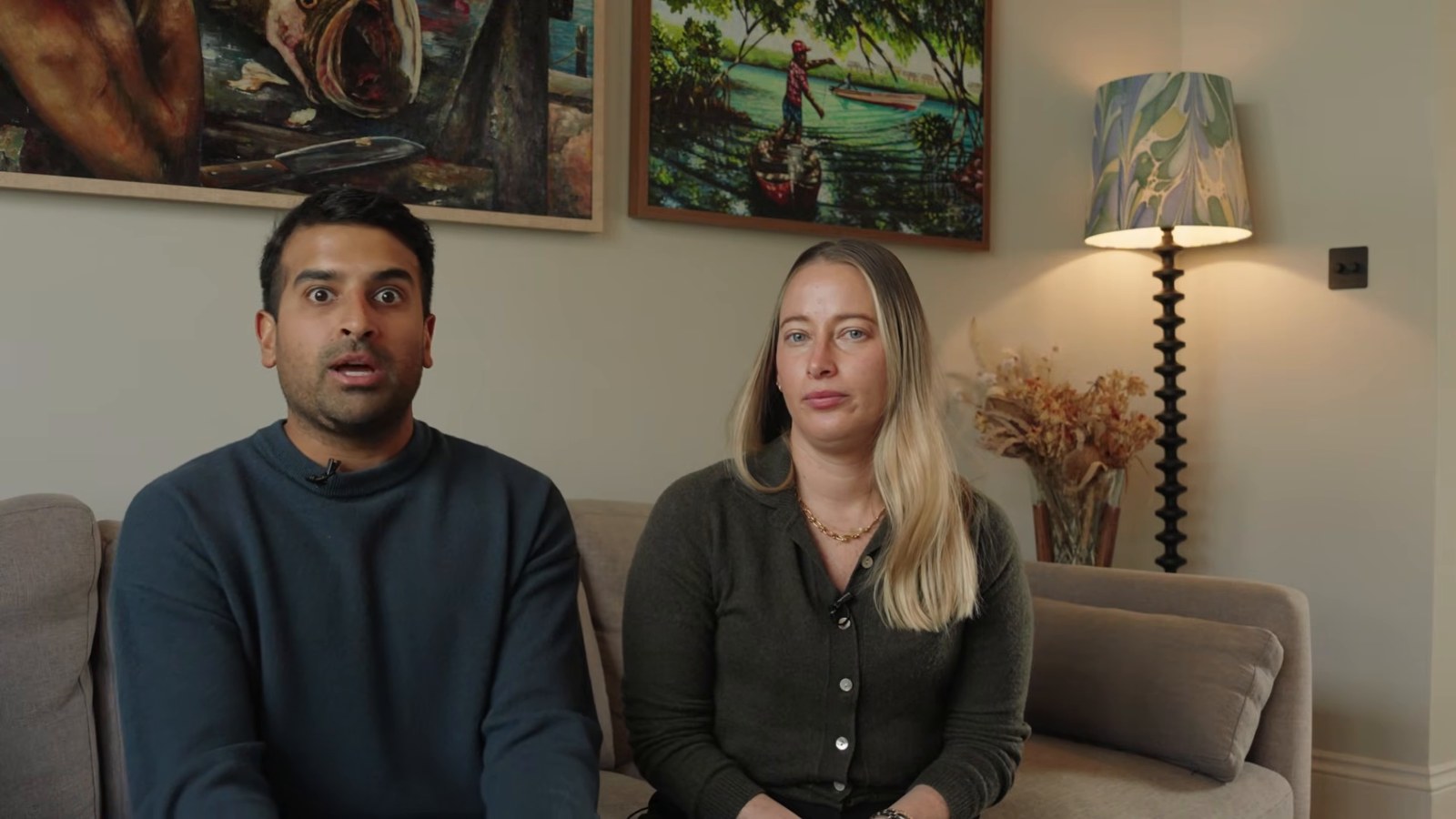
Some of this comes from modesty, which I respect. Plenty of the best tradespeople and makers I've met feel awkward talking about themselves. The way round it is not to make them perform. It's to ask questions and film the answers. People are much better at telling their story when someone's curious about it than when they're asked to write it from scratch, and that's where documentary-style film comes in. It captures the real thing, awkward pauses and all, and it reads as honest because it is.
Is storytelling just spin?
It's a fair worry, and the answer depends on what you mean by story. If it means inventing a tale to make an ordinary business sound grand, then yes, and it tends to unravel. If it means choosing which true things to tell and telling them well, it's closer to good communication. Every business already tells a story. The only choice is whether it's one you've shaped or one that forms by accident from your invoices, your emails and what customers say about you.
The test I use is whether the person in the story would recognise it. If the founder reads it and thinks, "that's what happened", it's fine. If they wince, it's spin. That's another reason I like film for this. It's hard to spin a person talking for twenty minutes, and viewers can feel the difference.
How do you start using storytelling in your business?
You don't need to overhaul anything. A sensible order is:
- Collect the true stories you already have. The first customer, the near miss, the job you're proudest of, the reason you started. Ask your longest-serving person for theirs too.
- Find the thread. Look for what they have in common: the value that keeps showing up. That's the heart of your story. If you're stuck, who a brand storyteller is explains who in a business is usually best placed to find it.
- Say it simply. Two or three sentences you could say out loud to a stranger.
- Put it to work in more than one place. Your site, your sales conversations, your hiring and your induction. One story used four ways does more than four stories used once.
- Get it on film if you can. A single documentary-style film carries a story better than almost any other format, and it can be cut up and used for years. See how video makes a business money for the business case.
Keep it honest throughout. A story people can disprove in a week isn't worth telling. If you'd like more on whether it's right for you, is storytelling a marketing strategy weighs the claim up, and the complete guide to brand storytelling collects the whole subject in one place. When you want to see what a story told on film looks like, our films are a good place to start, and if you've a business with a story worth telling, get in touch.