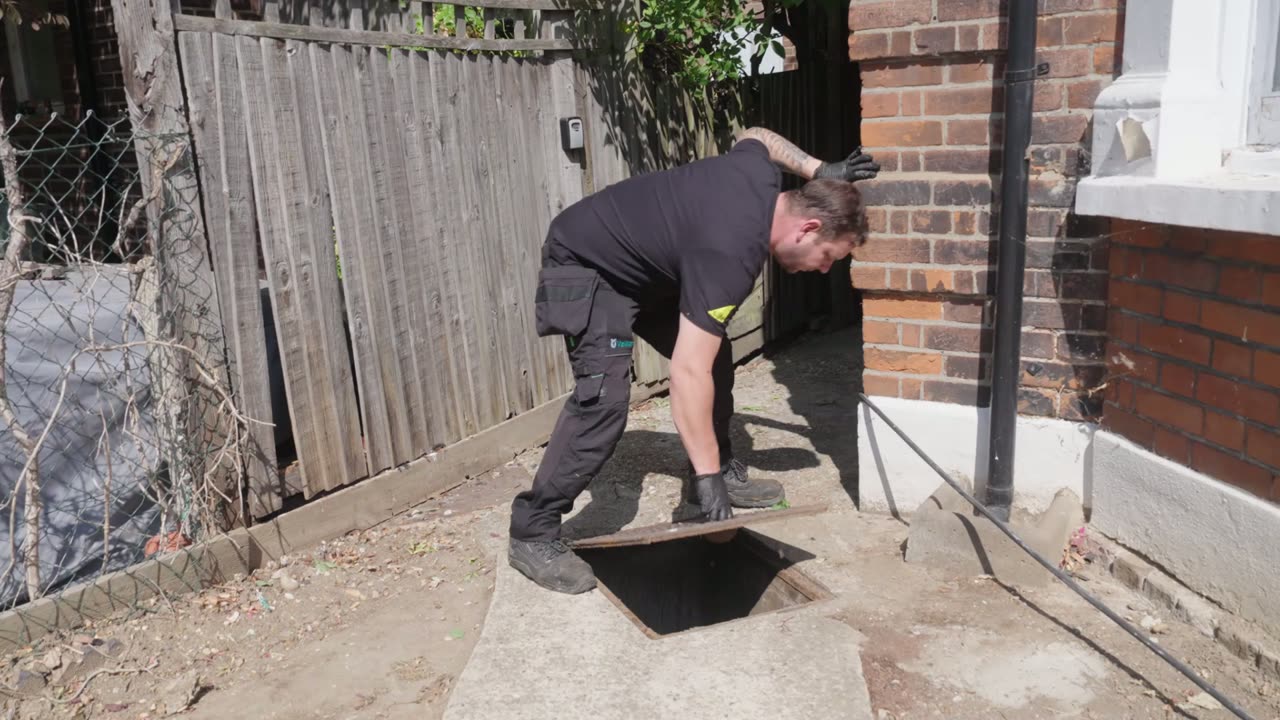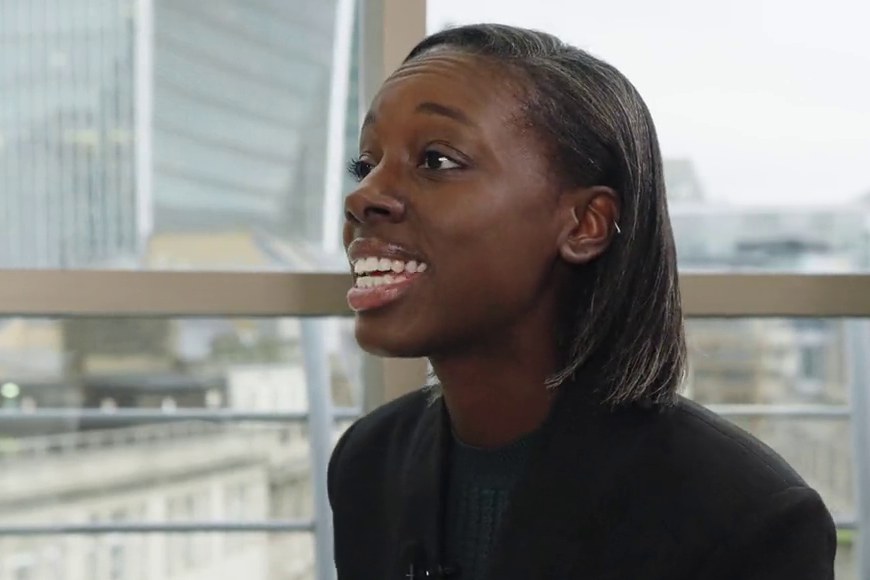
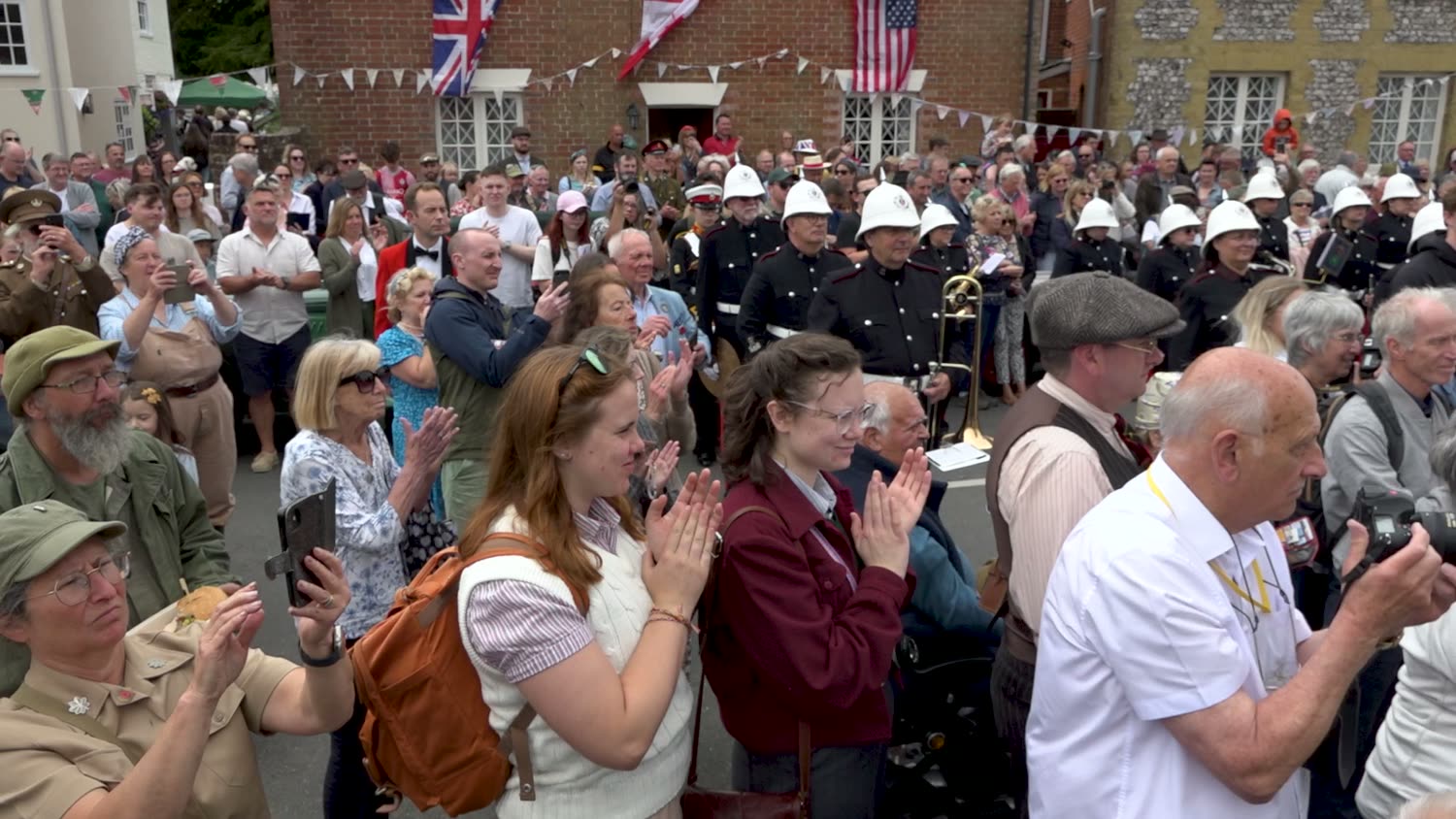
A good charity brand film shows the work through the people closest to it, told with their consent and on their terms, and it gives a trustee or funder enough to see that the money did something. Getting that right is mostly about how you treat the people in it, and that's decided long before anyone presses record. Budgets in the third sector are tight, so the film also has to do more than one job.
I'm talking about the sector as a whole here, because the same questions come up whether it's a small local charity or a national one. Who should be in it, what you can fairly ask of them, what the people holding the money want to see, and how you pay for it without it looking like donors' money went on a vanity project.
What makes a charity film different from other brand films?
The people in it usually aren't paid, often aren't staff, and sometimes they're at the hardest point of their lives. A founder in a commercial film is talking about their own business and knows exactly what they're signing up to. A service user in a charity film is doing you a favour, and the power runs one way, because they need the charity. Keep that in your head all the way through. It changes what consent actually means.
The other difference is the audience. A charity film is usually talking to two groups at once: the public, who might give or volunteer, and the people who decide on funding, who are reading it as evidence. Those two want different things, and a film that only serves one tends to fall flat with the other.
How do you tell someone's story with dignity?
The old fundraising shortcut was the sad face and the slow piano. It might bring money in for a while, but it leaves the person in it defined by the worst moment of their life, on the internet, for good. Most of the sector has moved on from it, and so has the public.
What works better is letting people be whole. Show what they're good at, what they're doing now, what they'd say to someone in the position they were in. Let them describe the hard part in their own words rather than having a narrator do it for them, and let them decide how much of it goes in.
A person with agency on screen is more moving than a person being pitied.
Bond, the UK network for international development organisations, publishes guidelines on exactly this, called Putting the people in the pictures first. It was written for NGOs, but most of it applies to any charity filming the people it supports, and the central idea is that the contributor's wellbeing comes before the comms requirement. If you read one thing before a shoot, read that.
Sometimes the right call is to leave the person's face out completely. If someone's safety, privacy or recovery would be put at risk by being recognised, you can tell the story through hands, places, objects, a voice without a face, or a staff member who can speak to the pattern rather than the individual. Save the Children UK went further in 2014 with Most Shocking Second a Day, a dramatised film that follows a British girl's life a second a day as a war arrives at home. Nobody real in crisis was filmed, and it made a UK audience picture it happening to them.
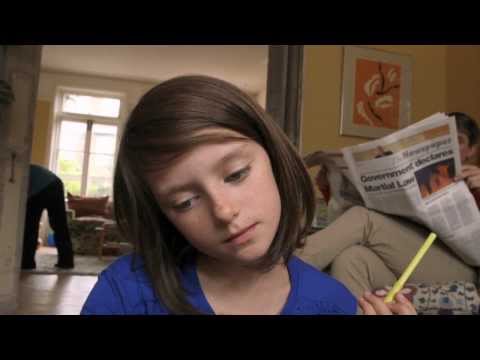 Most Shocking Second a Day, Save the Children
I wouldn't suggest most charities need a scripted drama. The point is that protecting someone and telling a strong story can sit together. You just have to choose the method early, before anyone's been asked to share anything.
What does proper consent look like on a charity shoot?
A release form signed on the day is the minimum, and on its own it's thin. I'd treat consent as something you build up and keep checking:
- Before the shoot. Explain in plain language what the film is, where it'll go, who might see it and for how long. Online means anyone, including people they know.
- On the day. They can stop, skip a question or ask for something not to be used, and they're told that before the first question rather than after it.
- Before it's published. Show them the cut, or at least their part of it. Nobody should see themselves for the first time on a charity's Instagram.
- Later on. Agree how they can ask for it to come down if their circumstances change. Lives move on, and a film that felt fine two years ago might not now.
Where children or adults at risk are involved, the charity's own safeguarding policy leads and the crew follows it. That's general practice rather than legal advice, so check with whoever owns safeguarding and data protection in your organisation before anything's booked.
What do trustees and funders actually want to see?
Evidence that the work makes a difference, mostly, and that the money went where it was meant to. The Charity Commission's research into public trust keeps finding the same thing: people trust charities that spend the money on the cause and can show the change it makes. Trustees and funders read a film through that same lens.
So the film needs to show change, and specifics beat adjectives every time. A person explaining what they can do now that they couldn't before. A volunteer describing what a normal session looks like. A member of staff who's honest about what's still hard. Funders see a lot of glossy material, and the films that stick tend to be the ones that feel like a true account of the work, difficult parts included.
Keep the logo and mission statement section short. Everyone watching already knows who you are. What they don't know is what a Tuesday afternoon looks like in one of your projects.
How much should a charity spend on a brand film?
Enough to make something you'll use for years, and no more. That sounds glib, but it's the right test. A film you can put on the website, show at the start of a funding pitch, play at an event and cut into short pieces for social is doing four jobs. One that's tied to a single appeal is doing one.
Our documentary films start at £15,000 + VAT, which I know is real money for most charities. If that's out of reach, a smaller shoot can still produce honest, well made material, and our film budget calculator gives you a sense of what a given figure buys. I've written more about where the money goes in how much a brand film costs in the UK.
A few things help a charity budget go further:
- Build it into a bid. Some funders will cover communications or evaluation costs inside a project grant if it's written in from the start. Ask before you assume they won't.
- Plan every cut on day one. A long film, a short one for the top of the site and vertical pieces for social should all come out of the same shoot. Adding them afterwards costs more.
- Keep the main film evergreen. Leave dates, campaign slogans and anyone about to leave out of it. Put the time sensitive material in the short cuts, which are cheap to redo.
- Tell the production company your number. I'd rather know early and point you somewhere sensible than send a proposal you can't use.
The public trusts charities that can show the difference they make, so a film that shows real change is doing trust work as well as fundraising.
Source: Charity Commission, Public Trust in Charities 2026 (BMG Research, 4,681 adults in England and Wales)
Who should be in a charity film?
Fewer people than you'd think, and the ones who can speak about the work from the inside. One or two people you support who genuinely want to do it, a frontline worker or volunteer, and maybe the chief executive briefly. A film with eight voices in four minutes ends up as a montage of nodding. If someone's only being included so they don't feel left out, the film's trying to please the organisation rather than the viewer.
Don't push anyone who's hesitant. A reluctant contributor rarely gives you anything you can use, and the cost to them is real. If you're the one dreading the camera, this is how I'd prepare.
If you've got a charity with a story you think deserves telling properly, tell us about it. If we don't think a film's the right spend for you, we'll say so.