A brand story video is a film that tells a business's story through the people who run it, rather than selling a product or service directly. It covers where the business came from, what it believes and what it's like to deal with, usually in the words of real people on camera. It's closer to a short documentary than an advert.
This post is about the format itself: what a brand story video is, how it differs from the other kinds of business video, the types you can make, and what goes into one. For the written version of the story, see how to write a brand story, and for length see how long a brand story should be.
What makes a video a brand story video?
Three things have to be true. It's about the business itself, not just one product. It's told by people connected to the business, in their own voices. And it's trying to make you understand and trust the business, not to push you toward an immediate purchase.
That last point matters. An advert asks for something now. A brand story video asks for your attention for a few minutes and gives you a reason to remember the name later. It does the slow work of building recognition and trust, which is why it's usually the first film a business should make, with the sharper, shorter promotional pieces coming afterwards.
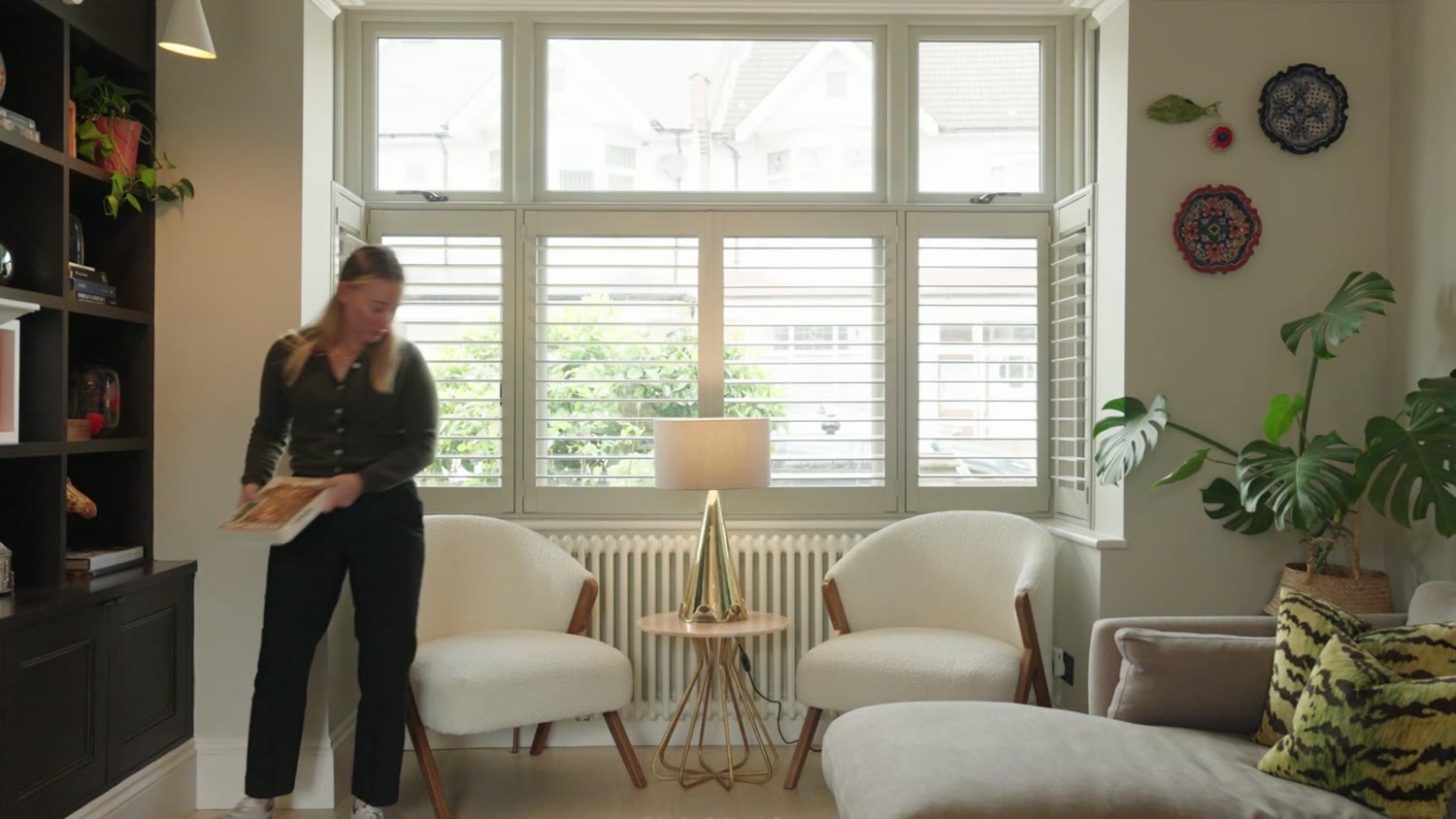
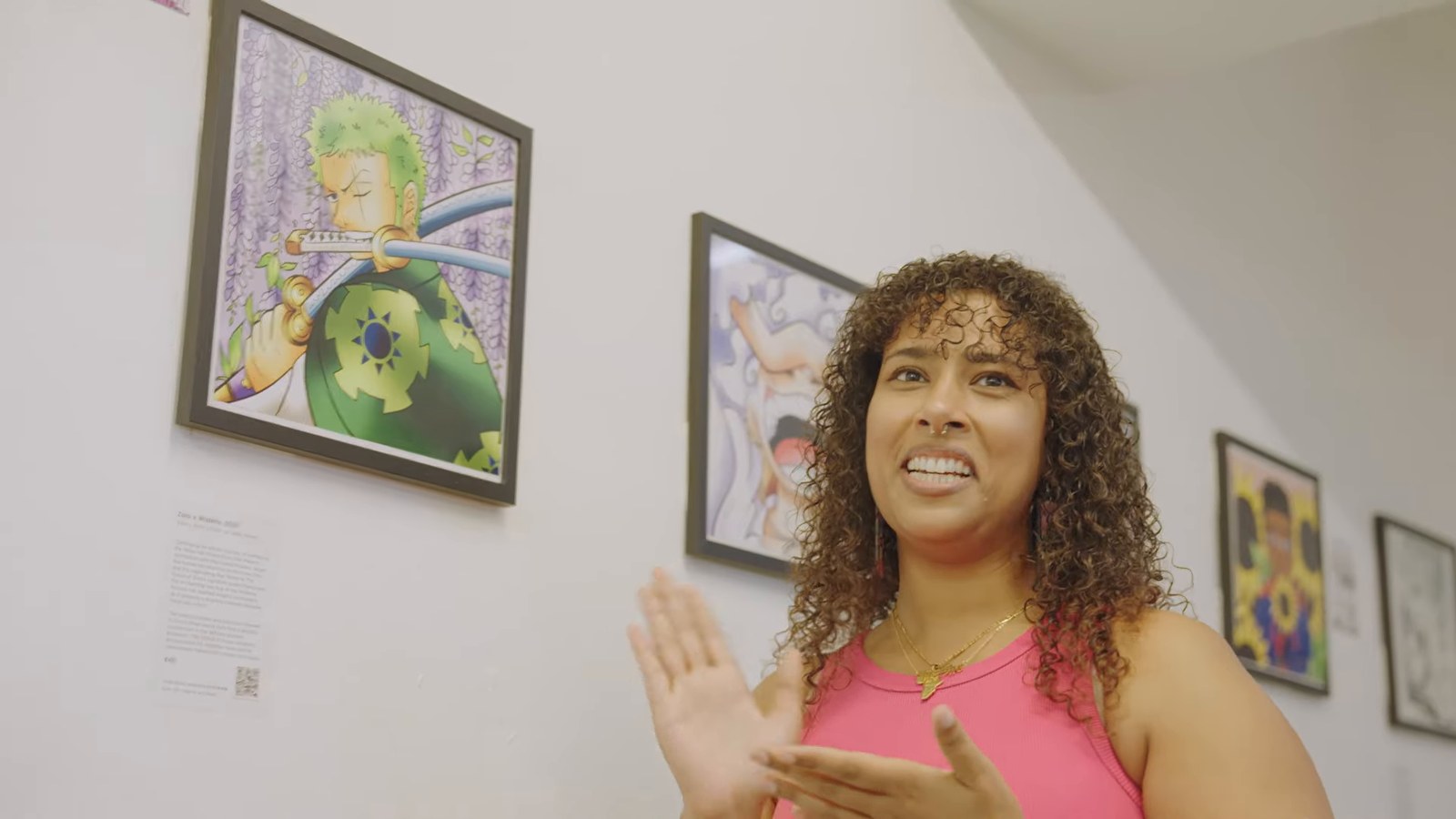
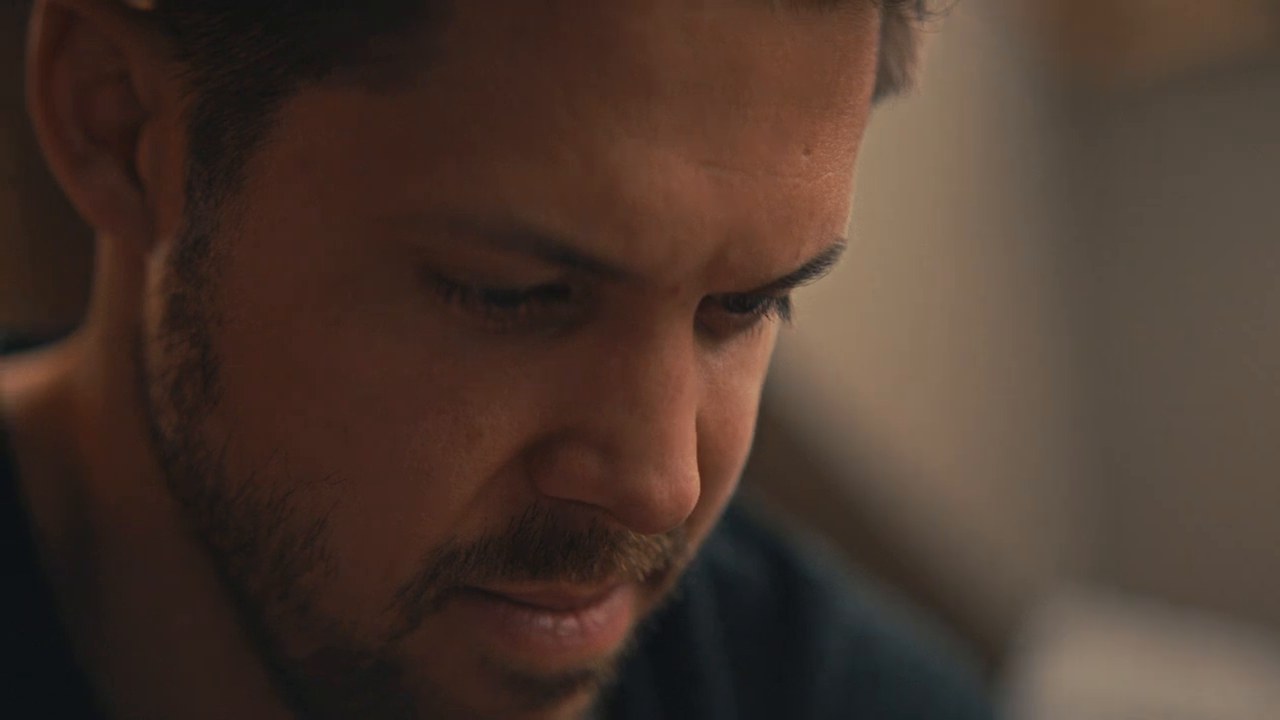
The look usually follows from the purpose. Natural light, real locations, people talking about work they actually do. If it feels like watching a short documentary about a business you'd like to know better, that's the target.
How is a brand story video different from other business videos?
Business video terms get thrown around loosely, so it helps to line them up. The differences come down to who's speaking and what the film wants from the viewer.
- Brand story video: people from the business explain who they are and why. It builds trust.
- Promotional video: pushes an offer, a launch or a service. It drives action. Covered in promotional videos.
- Corporate video: usually a formal presentation of the company, often with a voiceover and stock footage. See corporate videos.
- Explainer video: teaches how something works, often animated.
- Testimonial: a customer says the business did a good job. It's one voice, one angle.
A brand story video can borrow from all of these, but its centre of gravity is different. It's one of the main reasons we talk about brand documentary vs corporate video as a real choice, because the two make people feel quite different things about the same company.
What types of brand story video are there?
There are a handful of useful shapes. Most businesses end up with two or three of them.
The founder story. Where it started and why. La Fromagerie is built on this: a cheese business that began in a garden shed, told by its founder and the people who now run it. It works when the founder has a story worth hearing and the business is still shaped by them.
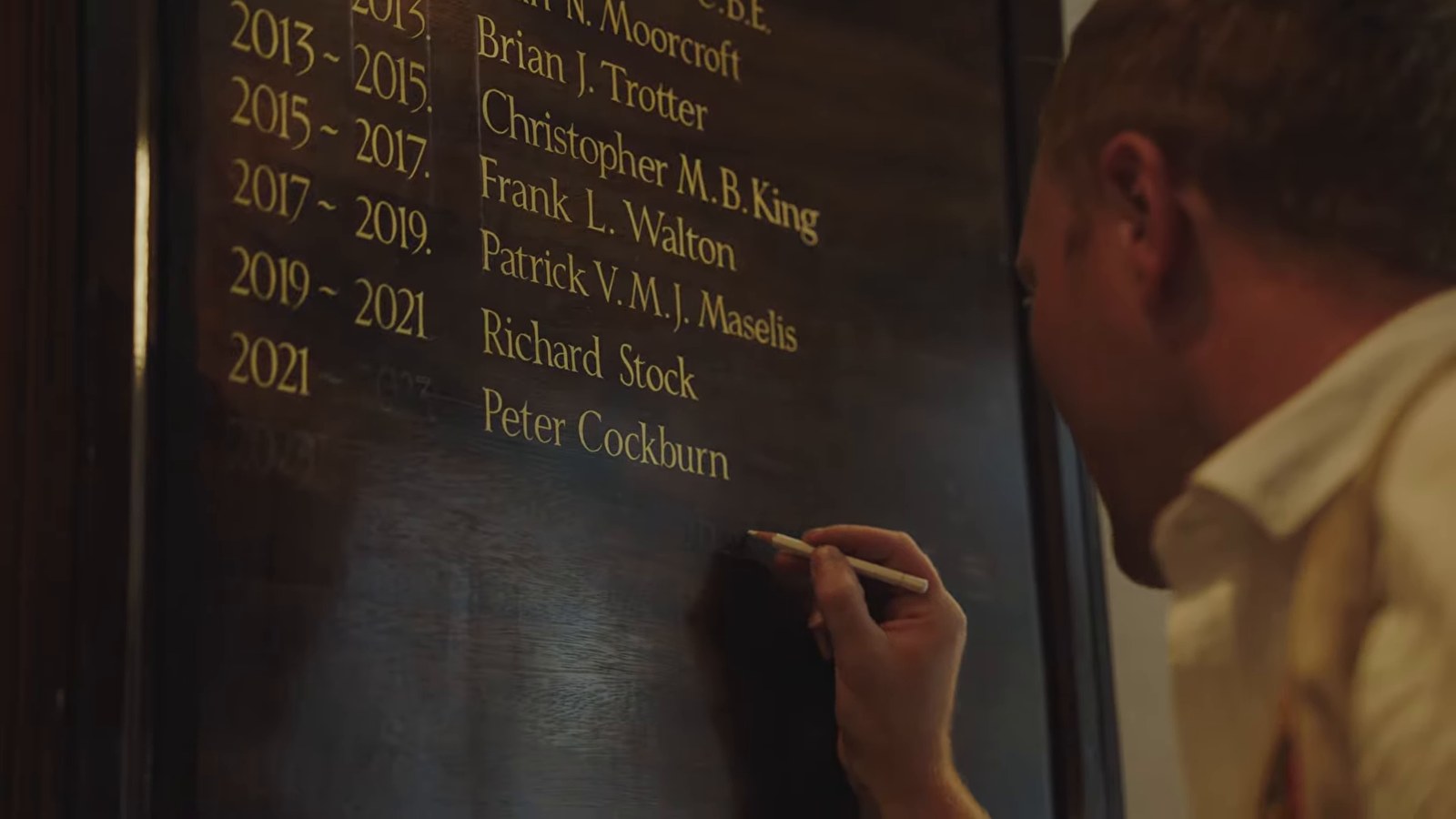
The craft or process story. The work itself, shown properly. The Carreducker film follows two shoemakers through the steps of making a bespoke pair, and the signwriting film shows a hand painted trade in a workshop and out on shopfronts. These suit any business where the work is the proof.
The customer story. The business seen through someone it's helped. Our film on a live supermarket site is a version of this. It's more convincing than a testimonial because it shows the job and not just the verdict.
The partnership or team story. Two organisations or a team explaining how they work together. Good for B2B businesses, where the relationship is the product.
The purpose or values story. A statement of what the business stands for, backed by evidence. This is the hardest to get right because it can slide into slogans, so it needs real examples to hold it up.
Who appears in a brand story video?
Real people who know the business well. That usually means the founder or owner, one or two members of staff who do the work, and sometimes a customer or supplier. We choose them for how they talk about the work, not for their job title.
This is where a lot of businesses get nervous. Most people haven't been filmed before, and they assume they'll be stiff. In my experience the nerves drop away within a few minutes of a real conversation, because we're asking about things they know inside out. If you're one of the people being asked, how to prepare for being filmed covers what to expect.
One thing I'd say strongly: don't replace real people with a presenter, an actor or generated footage if your story is meant to be true. Audiences notice. Getty Images' 2024 VisualGPS research, covering more than 30,000 adults in 25 countries including the UK, found 98% agree that authentic images and videos are pivotal to establishing trust. It's a global survey, so take it as a direction and not a verdict, but it matches what I see on shoots.
The camera doesn't make people trustworthy. It just shows whether they are.
Almost everyone says it matters, which is a good reason to put real people on camera.
Source: Getty Images, VisualGPS (30,000+ adults in 25 countries, including the UK)
What goes into making one?
The process is simpler than people expect. Here's how it generally runs.
- A conversation. We talk about the business, the audience and what the film needs to do. Nothing gets written yet.
- Finding the story. We work out who should appear and what the key moments are. Sometimes this means a short call with each person.
- The shoot. Usually one day, sometimes two. Interviews, the work being done, the place itself. What a day looks like is covered in what a brand film shoot day in London looks like.
- The edit. We shape the interviews into the story, add the footage that illustrates it, choose licensed music and grade the picture.
- Feedback and delivery. You review it, we adjust, and you receive the final film in the formats you need.
Nobody writes a script in the normal sense. The words come from the interviews, so the preparation is about asking good questions rather than writing lines. That's why it sounds like people, not copy.
What makes a brand story video good?
The sound, first. People will put up with an average picture but not with muffled or echoey audio. A clean voice, recorded close, is the single biggest quality marker, and it's why we always mic the person being interviewed directly.
Second, pace. A good one lets people finish their thoughts. There's room for a pause, for a hand doing something while a voice carries on over the top. Rushed cutting makes everything feel like an advert.
Third, specificity. The best lines in these films are always small and concrete: the name of a tool, the number of steps, the story of the first customer. Anyone can say "quality matters to us". Only the person who's done the work can tell you what it looks like at seven in the morning.
Finally, restraint. A story told simply and well doesn't need many effects. Most of the time the best move is to leave the camera on someone who's good at explaining what they do.
What do businesses get wrong with brand story videos?
The usual mistakes are about ambition, not skill.
Trying to say everything. A film that covers every service, every founder and every award ends up memorable for none of them. Pick one story and tell it well. The rest can go into other pieces.
Over-scripting the people. Handing someone a prepared answer takes the life out of it. It's much better to give them the questions in advance and let them answer in their own words.
Hiding the problems. Stories need a bit of difficulty. A business that's honest about what was hard is more believable than one that sounds flawless.
Making it a one-off. A single film posted once and forgotten wastes most of its value. Plan where it will live, and what shorter pieces will be cut from it, before the shoot, not after.
What do you receive at the end?
Typically the main film, a shorter version for the homepage, and a set of vertical cuts for social. You also want captions, since many people watch with the sound off, and a licence for the music that covers every platform you'll use. We cover why that last point matters in music licensing for brand videos.
On our films, the licence covers everything indefinitely on every platform, which is worth checking with whoever you hire. It's covered in more detail in who owns the footage when you commission a film.
Why do people respond to this kind of film?
Because they get to see who they'd be dealing with before they pick up the phone. For most small and mid-sized businesses, the biggest hurdle is that a stranger has to take a chance on you. A film where the owner explains the work, and someone who does it every day shows how it's done, closes some of that distance before the first conversation.
It also gives the people who already like you something to share. A customer who'd happily recommend you can send a link to a four minute film far more easily than they can explain what makes you different. The film does the explaining for them, in your words, with the right tone.
Where do you use a brand story video?
Anywhere that someone is deciding whether to trust you. The homepage and About page are the obvious places. After that: the top of your proposals, your LinkedIn page, email signatures, recruitment pages, trade show screens and the start of sales calls.
The best use is as a master film that feeds shorter pieces. One day of filming gives you the main film and months of social clips, which is covered in where to use your brand film and turning one film into a year of content.
Does a brand story video work for any business?
For any business that has people and a reason to exist, yes, but it suits some better than others. It works especially well where trust matters, where the purchase is considered rather than impulsive, and where the owner or team is the difference. Trades, professional firms, craft businesses, charities, manufacturers and independent shops tend to get the most from it.
It works less well when there's no real story to tell yet, for example a business that opened last month with no track record. In that case a simpler introduction film is better, and the fuller one can come once there's something to show.
If you want to see what a finished one looks like, a brand story example goes through one in detail, and the complete guide to brand storytelling sets the format in context. Our brand films page explains how we make them, and if you've got a business you think deserves one, get in touch.