Put your brand film wherever people are already deciding about you. That means a short cut near the top of your website and the full film on your about page, in your sales conversations and proposals, on LinkedIn, in your emails, on screen at events, in recruitment, and as cut-downs behind paid ads. Most films only ever make it onto the homepage, which is a small fraction of the work they could be doing.
Why do most brand films end up underused?
Launch day gets all the attention. The film goes up, everyone shares it, and then it sits there. Nobody planned where it would go next, so it doesn't go anywhere.
 One Brand Film, a Year of Content, s4digital
The fix is to plan distribution before the shoot, not after. Each place a film lives needs a slightly different version: a short cut for the homepage, verticals for the feed, a subtitled version for silent autoplay. If you decide where it's going early, those versions get captured on the day instead of being squeezed out of footage that was never shot for them.
Where should a brand film go on your website?
Three places, usually. A sixty to ninety second cut near the top of the homepage, for people who'll give you a minute and no more. The full film on your about page, where people who want to know who you are have already chosen to look. And relevant clips on service pages, so the proof sits next to the thing it proves.
The char.gy B Corp film runs as the principal video on two pages of their site, About and Local Government, with a toggle between the standard and audio described versions. Same film, two audiences, both served from one shoot.
A few practical things. Host it on YouTube or Vimeo rather than uploading a huge file to your own site. Pick a proper poster frame instead of whatever the first frame happens to be. Add captions. And don't autoplay with sound, unless you enjoy people closing the tab.
How do you use a brand film in sales conversations?
This is where a good film earns the most and gets used the least. Send it before a first call, so the prospect turns up already knowing who you are and how you work. Put it in proposals. Send it afterwards for the people in the buying group who weren't on the call, because there's nearly always someone senior who'll make the decision without ever meeting you.
The Barry Road film was made for exactly that. It's the homeowner's account of a full renovation, an edit the builder can send to someone deciding whether to trust them with a house. A prospective client hears it from a person in their own position rather than from the person being paid.
 Barry Road, told by the client
Send it to the person who'll make the decision without ever meeting you.
- Watching a short video63%
- Text-based articles12%
- Infographics7%
- Sales calls5%
- Ebooks or manuals4%
- Webinars4%
When people are weighing up a business, most would rather watch than read, so put your film wherever that weighing up actually happens.
Source: Wyzowl, Video Marketing Statistics 2026 (survey of 266 respondents, late 2025)
Should you post your brand film on LinkedIn?
Yes, but not as one post with a YouTube link. Upload it directly so it plays in the feed instead of asking people to click away, and use the short cut or a vertical piece rather than the full film. Make sure it works on mute with subtitles burned in.
Post it from the founder's or a team member's own profile as well as the company page, because people engage with people. Then keep going. One clip a week for a couple of months will reach far more of your network than a single launch post. When we made the Fusion and NexBlue partnership film, it was cut so both businesses could publish it on their own channels, which doubled where it lived from day one.
How do you put a brand film in an email?
Most email clients won't play video inside the message, so don't try to embed it. Use a still from the film with a play button on it, linked to the page where the film lives. A strong frame of a real person usually beats a logo.
Good places for it: your email signature, the welcome or onboarding email for new clients, a newsletter when it launches, and the follow-up after a meeting. If you have a sequence that goes out to new enquiries, the film belongs in the first or second email.
How can a brand film work at events?
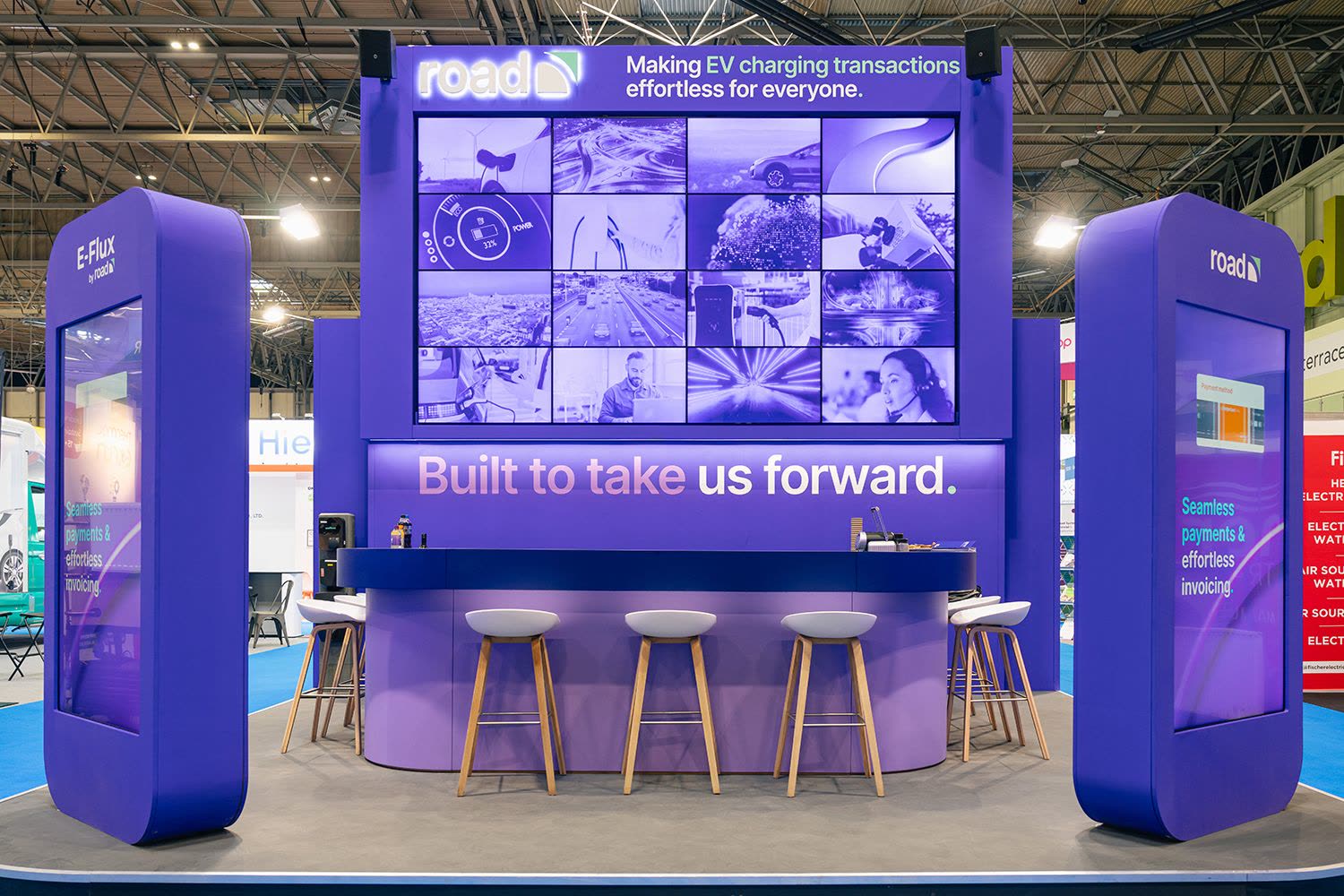
On the stand screen, on a loop, with subtitles, because nobody hears anything on a show floor. At the start of a talk you're giving, so the room knows who you are before you say a word. At your own launches, open days and award nights.
Events also make content of their own. At Fully Charged the film from the South show was used to sell tickets to the North one, so one event fed the next.
Can a brand film help with recruitment?
It's one of the most underrated uses. Good candidates check you out the same way buyers do, and a film showing real people doing the real work tells them more than any job description. Put it on your careers page, link it from job ads, and send it to shortlisted candidates before interview. It also makes a good first thing to watch on someone's first day.
Should you put ad money behind your brand film?
Behind the cut-downs, often yes. The full film rarely makes a good cold advert to strangers, but a short version with a strong opening can, and the full film works well shown to people who've already visited your site. The Christmas raffle film we made for Plug In Stations and Ohme ran as a Facebook ad rather than an organic post, which is how it reached a thousand entries.
Before you spend anything, check two things: that your licence covers paid advertising, and that the music licence covers every platform you're going to run it on. Our films come with a full licence on every platform, but that isn't standard everywhere.
If you're still at the planning stage, how to turn one brand film into a year of content covers the versions you'll want to capture. And if you'd like a film built with all of this in mind from the start, tell us where it needs to work.