You turn one brand film into a year of content by planning for it at the shoot, then cutting the material into versions that each do a different job: the main film, a short cut, vertical cut-downs, stills, quotes, behind the scenes and subtitled versions in every aspect ratio. Spread those across twelve months and one shoot can feed your channels for most of the year.
The mistake is treating the main film as the only output and everything else as an afterthought. Most of what fills the year has to be captured on purpose, on the day.
 One Brand Film, a Year of Content, s4digital
Can one brand film really fill a year?
If it's planned properly, yes. Posting once a week is fifty two slots. A documentary-style shoot over two or three days gives you a main film, a sixty to ninety second cut, six to ten vertical pieces and a full set of stills. Add quote posts, carousels, behind the scenes and a few reworked versions, and fifty two stops looking ambitious.
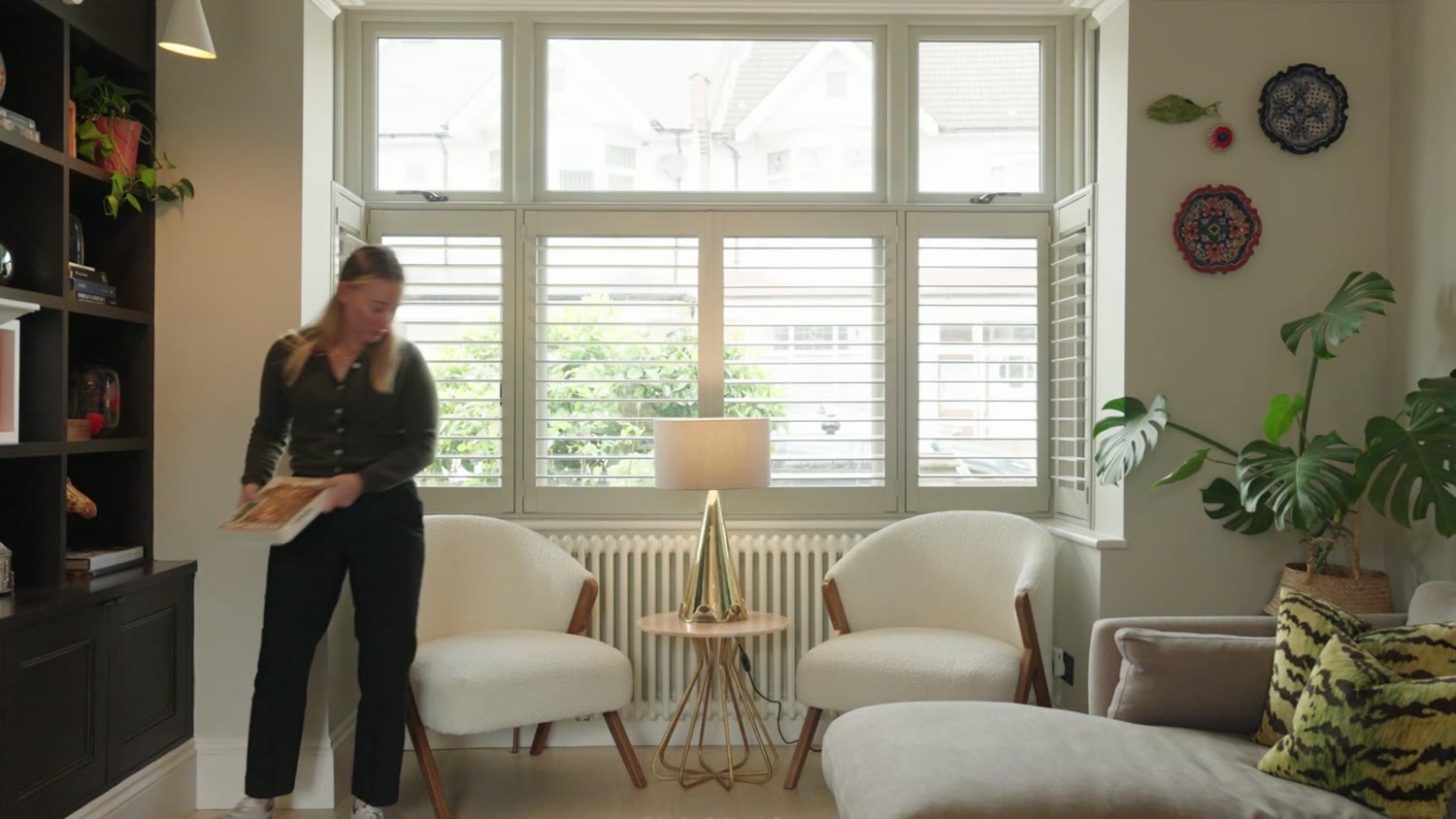
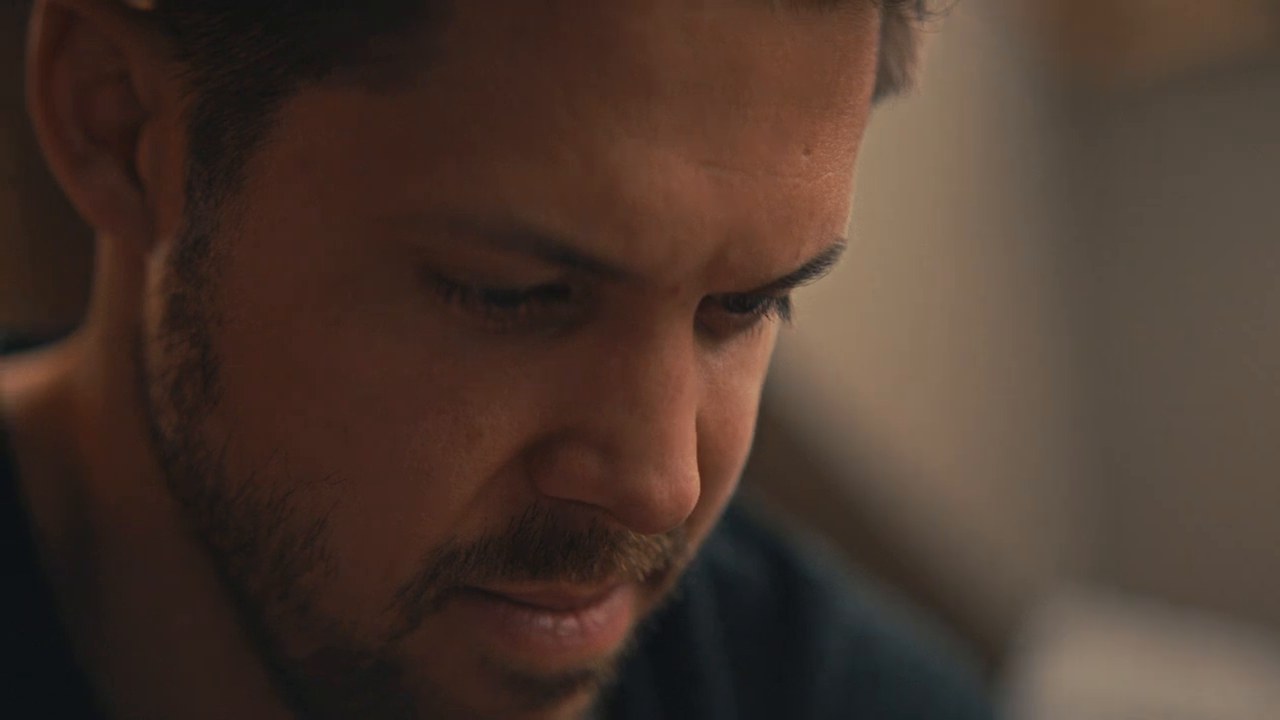
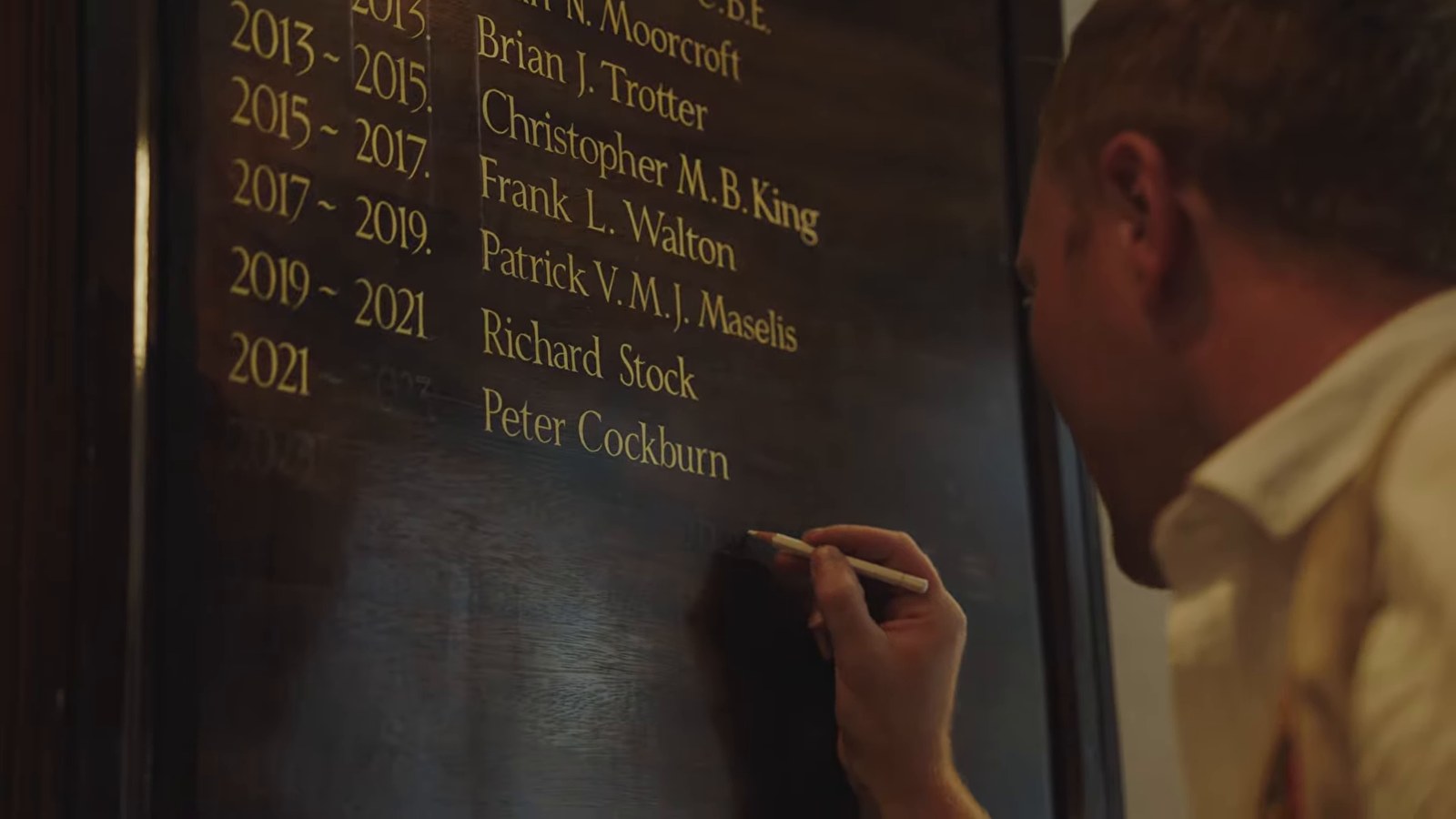
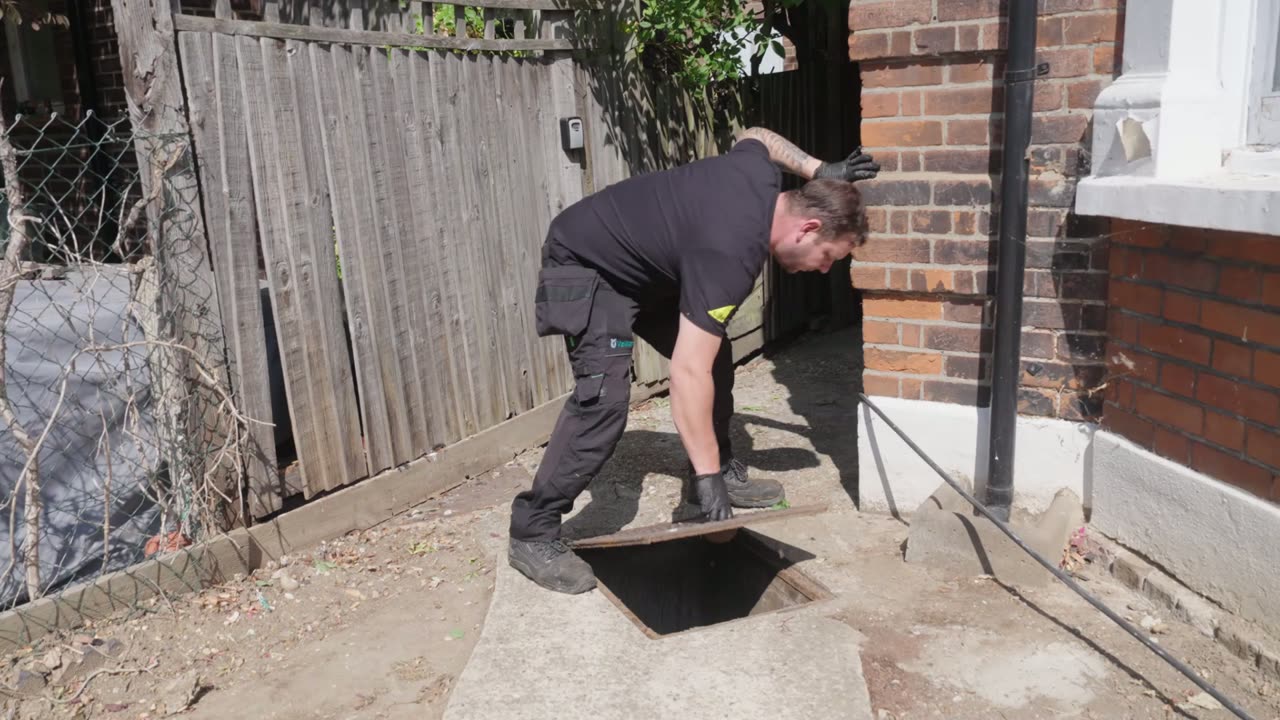
The char.gy B Corp film came to eleven finished exports from a single shoot: a long form film, a sixty second cut and a thirty second cut, each in 16:9, 9:16 and 1:1, plus audio described versions, with photography from the same day used across their site. The Super Efficient content day produced an eight minute film, a run of vertical shorts, two carousels and three test thumbnails from one job.
 Super Efficient, the full job
Why does repurposing have to be planned at the shoot?
Because you can't cut what you didn't capture. Vertical pieces need framing with room for a 9:16 crop, or their own setups. Stills need someone shooting them alongside the video. Behind the scenes needs someone filming the crew, which nobody does by accident. Natural sound cuts need clean audio of the work itself.
It also helps to agree the list of outputs before the shoot, in writing. A crew that knows it needs eight verticals and a carousel films differently from one that only knows about the main film. They'll grab the extra angle, hold a shot a few seconds longer and ask the follow-up question that becomes a standalone clip.
Interviews matter most. If you want quotes and short clips that stand on their own, the questions have to produce answers that make sense without the question in front of them. That's a technique you plan for, and it's very hard to rescue in the edit.
You can't cut what you didn't capture.
What can you make from one brand film?
The main film
Usually four to ten minutes. It goes on your website, YouTube, in sales conversations and at events. Cut it first, because everything shorter comes out of it.
The short cut
Sixty to ninety seconds for the top of your site and anywhere nobody will give you ten minutes. It has to work as its own piece rather than a trailer for the long one.
Vertical cut-downs
Each one should have a different job. On Super Efficient one was the satisfying moment the drain clears, one was the reveal of what was actually down there, and one was the two engineers talking straight to camera about the trade. Sound was left alone rather than buried under music, because on a job like that the sound is half the appeal.
Stills
Photographs shot across the same days, so the film and the pictures look like the same company. They'll cover your website, LinkedIn, press and proposals for months.
Quotes
The best lines from the interviews become quote posts, carousel slides, captions, website copy and sales deck slides. Use the exact words. Never tidy up what someone actually said, because the slightly rough version is the one people believe.
Behind the scenes
The setup, the lighting, the nervous moment before the first question. People like seeing how things are made, and it puts a human face on your business that a polished film doesn't always show. It's also useful the week before launch, as a teaser that tells people something's coming without giving the film away.
Subtitled and accessible versions
Every cut should have a subtitled version, because a lot of video is watched on mute. Think about audio description too. char.gy serves drivers who are usually left out, so an inaccessible film about inclusion would have been a bad look. The audio described cut was part of the brief from the start.
How do you spread it across twelve months?
A rough shape that works for most businesses:
- Month one. Launch the main film and short cut. A founder post on LinkedIn, an email to your list, the film on the website.
- Months two to four. One vertical a week, alternating with stills and quote posts.
- Months five to eight. Carousels, behind the scenes, and the film working inside a specific push like a hiring round or an event.
- Months nine to twelve. Rerun the best performers with new captions, and use what you've learned to plan the next shoot.
Mix it in with whatever else you post. A year of nothing but one film would be a lot. A year where that film is the backbone, with everyday posts around it, is just good planning.
More than half of people watch with subtitles on, so make a subtitled version of every cut as standard.
Won't people get bored of seeing the same footage?
Far less than you'd think. On most platforms only a slice of your followers see any given post, so something you're sick of has probably reached a small part of your audience. Different cuts also do different jobs. Someone who scrolled past the satisfying clip might stop for the engineer talking about the trade.
Watch the numbers and your own gut. When a clip starts to feel dated, because the people, the premises or the offer have changed, retire it. That's usually the point to book the next shoot.
How do you resize a film for every platform?
Ideally it's done in the edit, with each version reframed by hand so nothing important gets cropped. For a quick resize of an existing clip, our free video resizer will get a file into the right shape. For where each version should go once it's cut, see where to put your brand film once it's made.
If you'd like a film that's planned to feed a year from the first conversation, see how our films work or tell us about the business.