A testimonial video stops sounding like a testimonial when the customer tells the story of what happened to them, in their own words, instead of praising the business. You film them once the result is real, ask about their situation rather than about you, and cut it as their account. The praise is then implied by the story, and the viewer believes it because they've worked it out for themselves.
Most testimonial videos are a customer on a sofa saying they were really professional and they'd definitely recommend them. It's sincere, and it doesn't land, because every business has one and they all sound the same.
Why do most testimonial videos sound the same?
Because the questions are about the business. Ask someone what it was like working with you and you get adjectives. Professional, friendly, on time, tidy. Lovely to hear and almost impossible to believe, because the viewer knows the business picked its happiest customer and pointed a camera at them.
There's a scripting problem too. When a customer's been handed lines, or asked to say that again but mention the price this time, it shows. People can hear the difference between someone remembering and someone performing.
And trust in second hand praise is wearing thin. In a Which? survey of 2,000 UK adults, 41% said they find it difficult to tell whether an online review is genuine or fake, and only 17% said they find it easy. Generic praise gets discounted in any format. Specific stories still get through.
What makes a customer story believable?
Specifics, stakes and a bit of friction. What the person needed, what was at risk, what was hard, and what they've got now. A story with a worry in it is more convincing than one that's all praise, because real projects have worries.
 Nimrod Road, told by the homeowners
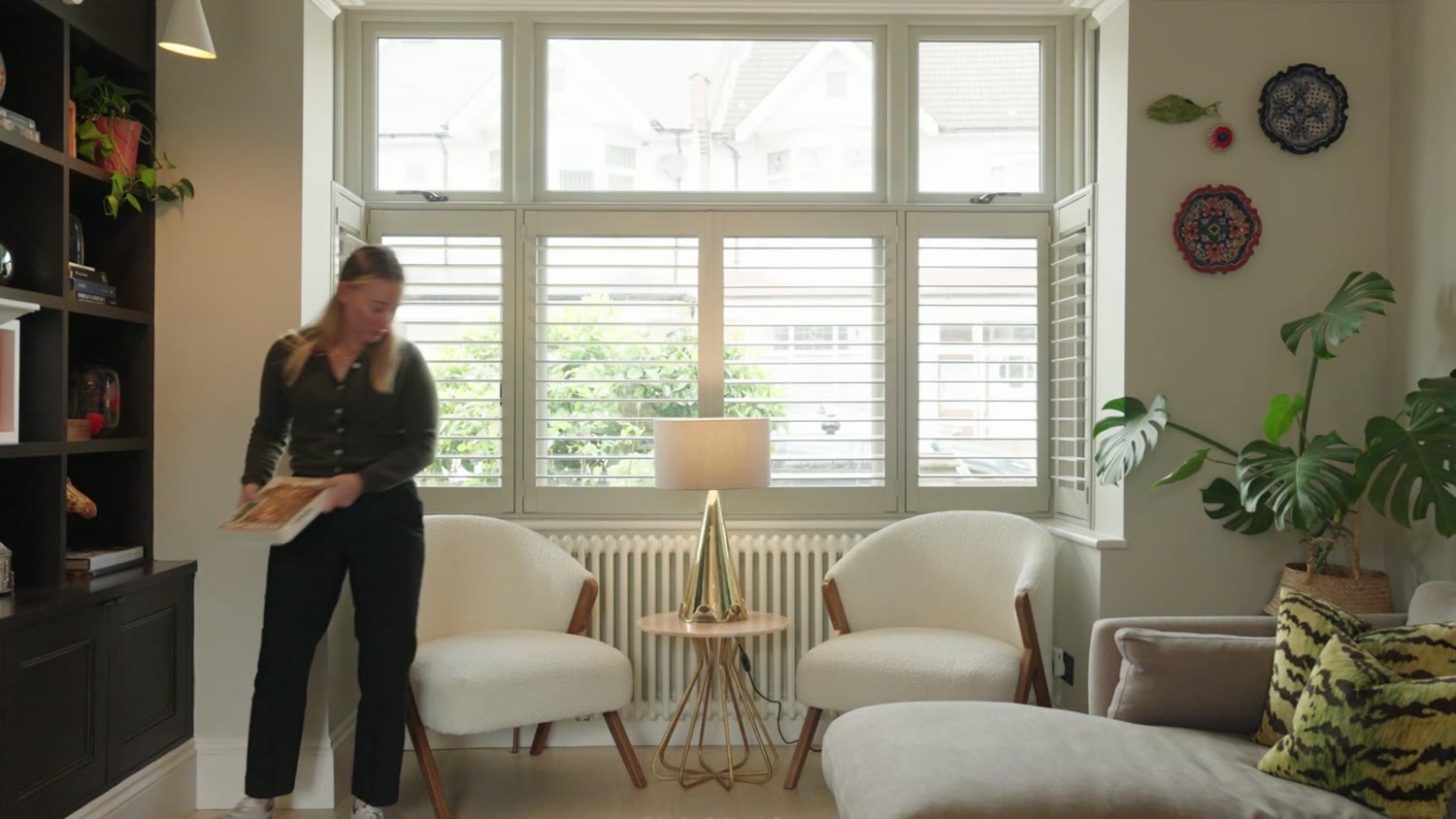
The Nimrod Road film works because of its stakes. A Victorian house in Tooting that had sat empty after the previous owners died. A couple who wanted the period features kept and the ground floor opened up. A project that started in September, with a baby due at the end of November. The work was finished in eight weeks, two weeks inside the estimate. Both homeowners tell it as their account, and anyone weighing up the same decision hears it from people in their own position.
The praise is implied by the story, and the viewer believes it because they've worked it out for themselves.
Generic praise is being discounted, so a specific customer story told on camera carries more weight than another five star line.
Who should tell the story, the customer or the business?
The customer, almost always. A business talking about its own quality is the one voice a prospective customer discounts straight away, because it's the voice being paid.
That was the thinking behind Barry Road, a full house renovation in East Dulwich. Every contractor says the same things about themselves: quality, on time, on budget. So the film is the homeowner giving their own account of the job, what they wanted, what it was like to live through, and what they ended up with. We handed the film to them and let them say whatever they were going to say.
The business can still appear, briefly and doing the work. Just don't let it narrate its own reputation.
Which customer should you film?
Not automatically the happiest one. Pick the customer whose situation looks most like the people you want more of. If your best jobs are period houses with tight deadlines, film the family with the period house and the tight deadline. Someone weighing you up should watch it and recognise their own situation.
Look for someone who had something at stake and can talk about it naturally. A worry, a deadline, a previous bad experience with someone else. They don't need to be polished, and the ones who are a bit unsure on camera often come across as the most honest. Most of all, they need to want to do it. A customer doing you a reluctant favour sounds exactly like one.
When should you film a testimonial?
Once the result is real, and ideally while it's still fresh. Both of those renovation films were made after the family had moved back in, so the customer is talking about a home they live in rather than a promise.
The downside of waiting is that the before has gone. At Nimrod Road the before only exists in the original listing photos, so those were cut against the finished rooms. At Barry Road, before and after floorplans were cut in so the scale of the work reads on screen. If there's any chance you'll want a customer film, photograph the start of the job properly. It costs almost nothing, and you can't get it back later.
What should you ask in a testimonial interview?
Ask about them, not you. Questions that tend to open people up:
- What was going on before you got in touch?
- What were you most worried about?
- What was it like day to day while the work was happening?
- Was there a moment you weren't sure it would work out?
- What's different now?
- What would you tell someone in the position you were in?
Then listen, and follow whatever's interesting rather than ticking through the list. Never feed them the answer. If a customer says something in a way that's a bit clunky but true, keep it. The odd stumble is part of why it sounds real. There's more on this in how to make a brand video people actually watch.
How do you get the most from a customer story film?
Use it in the sales conversation, which is where it earns its money. Both renovation films were made as edits a contractor can send to someone deciding whether to trust them with a house. That's a precise job, and it decided how they were cut.
Beyond that, put the full film on the relevant service page, cut a short version for the top of the site, and pull vertical clips for social, where one honest line can carry a post. Ask the customer's permission for every use up front, paid ads included, so you're not chasing them six months later.
If you've got customers whose stories would sell your work better than you can, see the films we've made or tell us about them.