People watch a brand video to the end when there's a real person in it with something at stake, when it starts where something's already happening, and when whoever edited it had the nerve to cut everything that wasn't needed. It also has to be made for a reason. A lovely film with no job to do gets watched once, mostly by the people who paid for it.
Most brand videos get signed off by people who already care about the company. Everyone in that meeting knows the product, likes the logo and wants it to do well, so the video passes. Then it goes on the website and a stranger gives it a few seconds before they're gone.
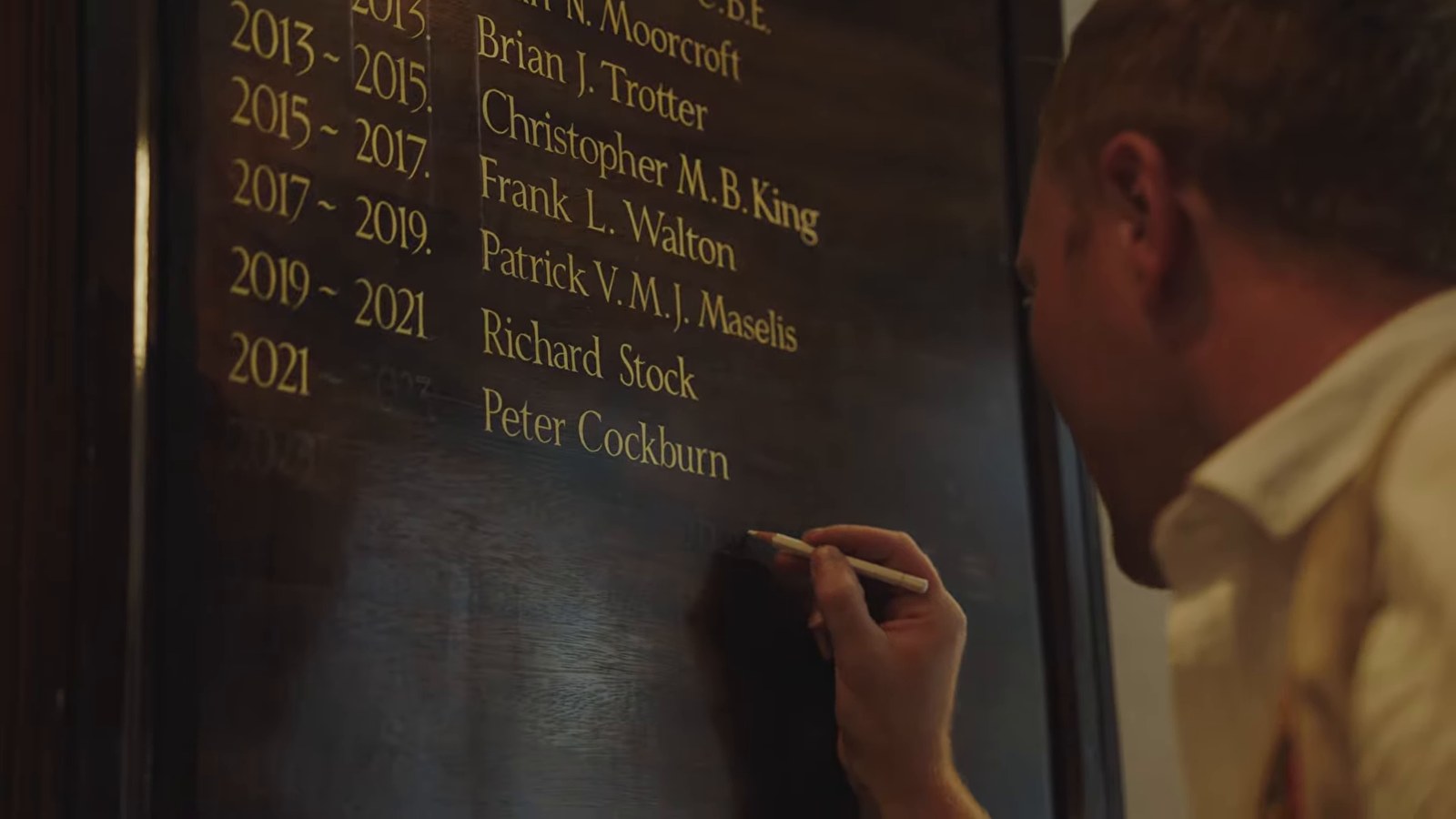
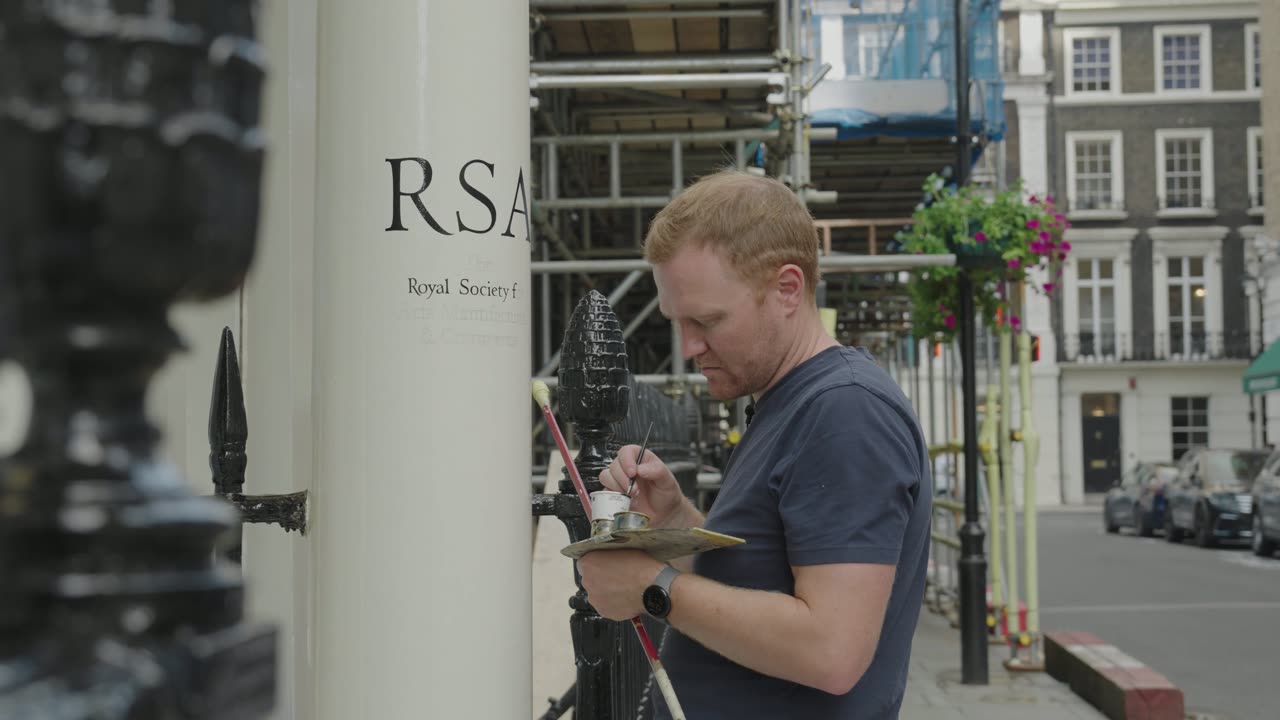
 Signwriting Jack
The films people finish are made with that stranger in mind from the very first conversation. This is what I think actually makes the difference, from the films we've made and the plenty I've switched off myself.
Who should a brand video be about?
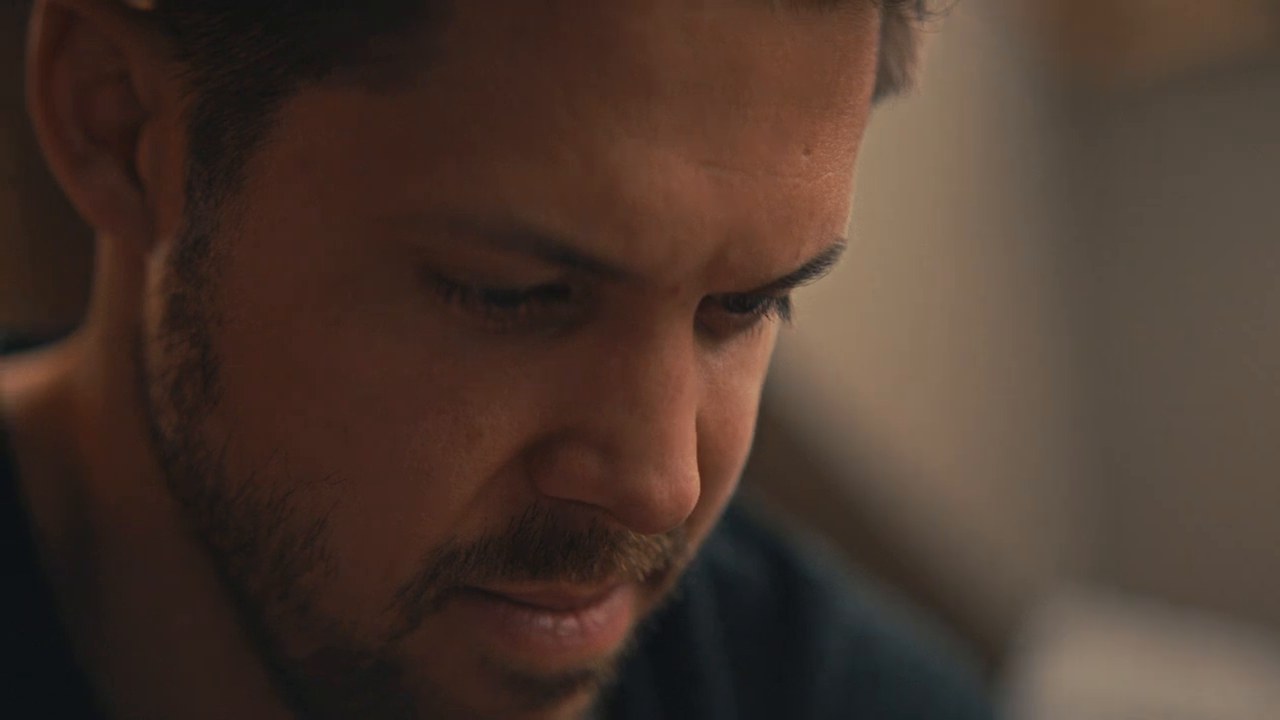
People watch people. Someone telling you about a decision that could have gone badly is a lot harder to leave.
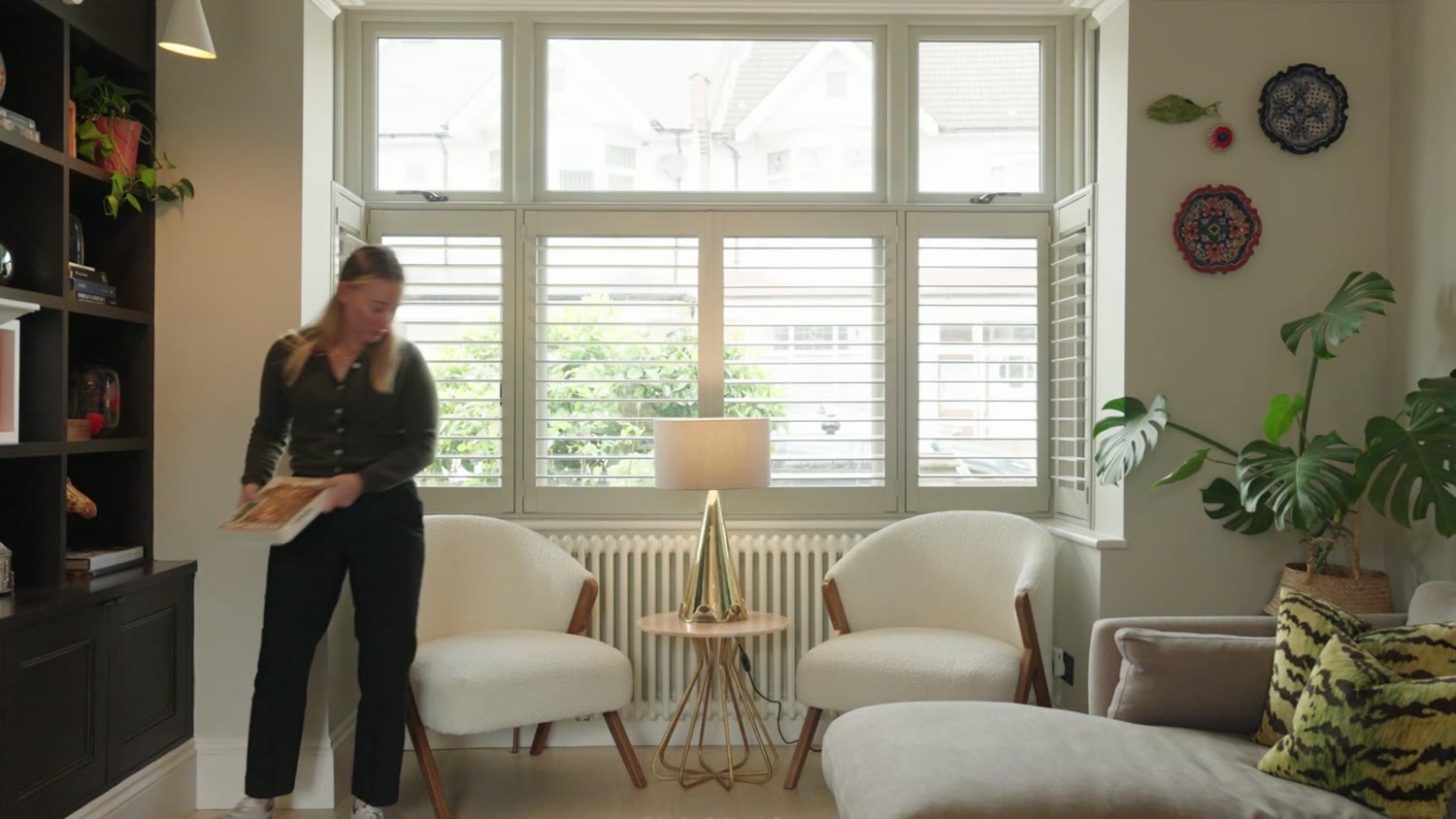
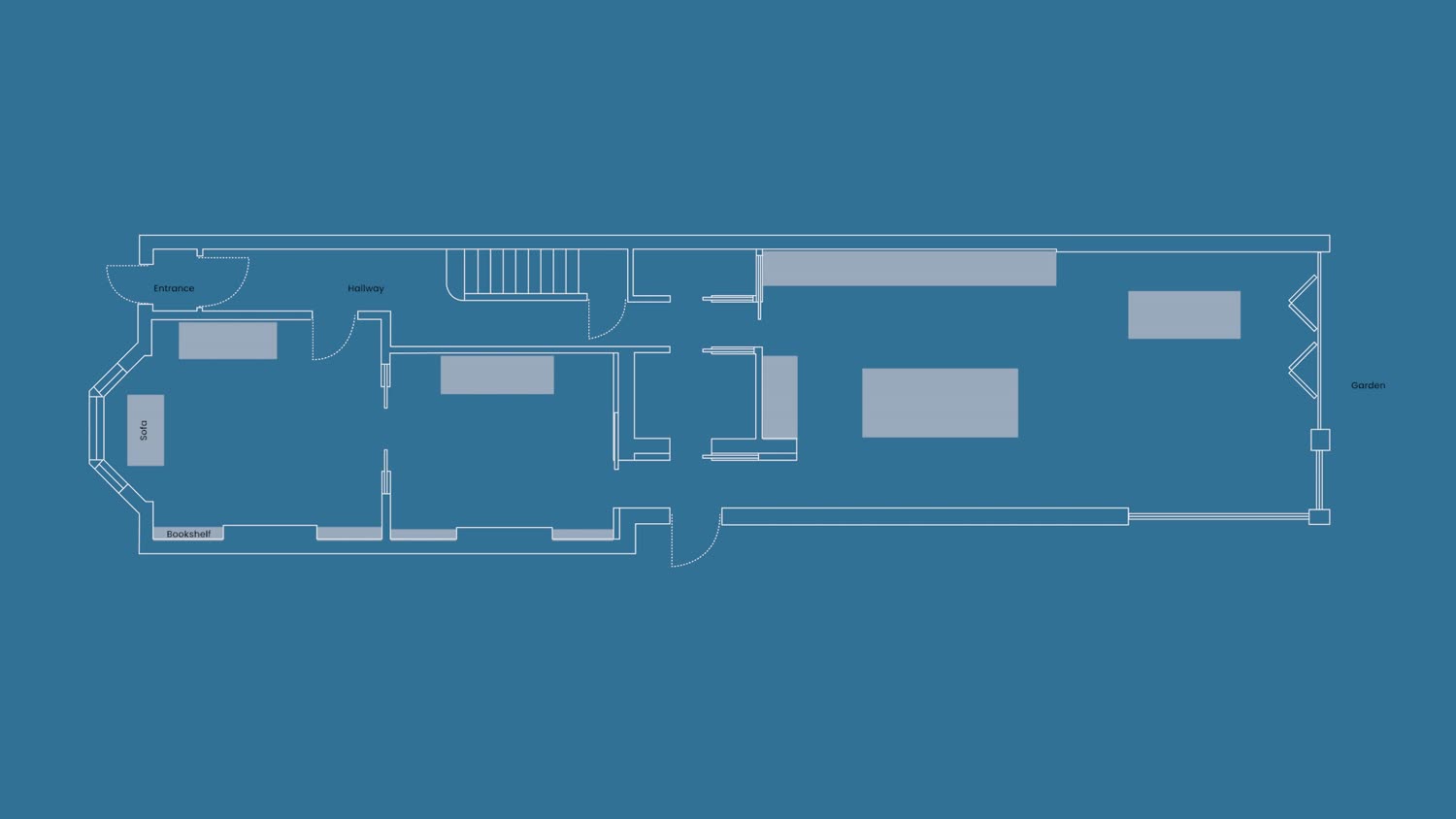
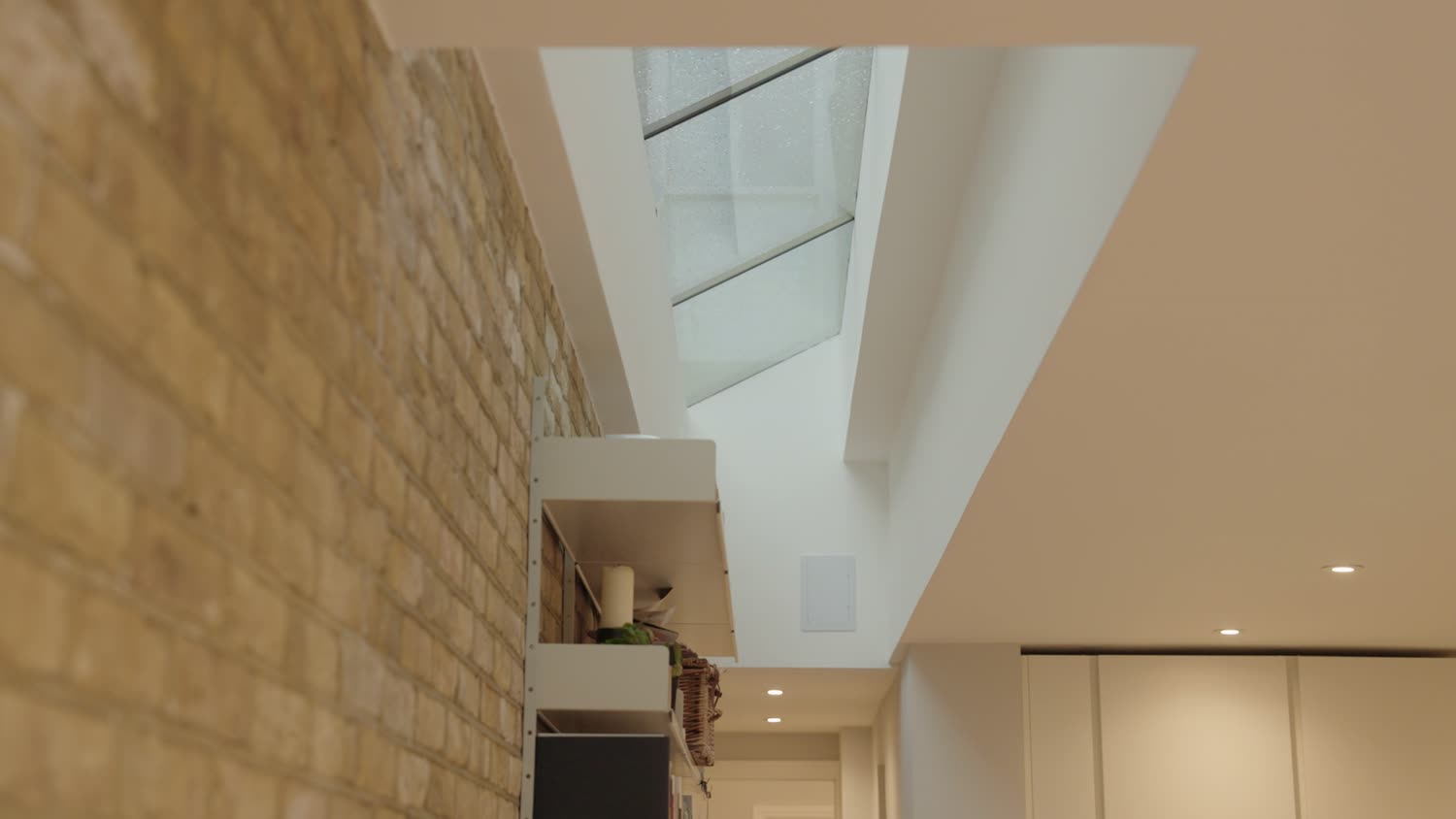
Stakes don't have to be dramatic. In our film about a period house in Tooting, the couple bought a Victorian house that had sat empty since the previous owners died. The renovation started in September and they had a baby due at the end of November. That's all the tension the film needs. You want to know whether they made it, and you keep watching to find out.
Every business has something like that if you look properly. A founder who nearly gave up. A craft that took years to learn. A customer who took a risk on you. The work is finding it before anyone turns up with a camera.
- Short video63%
- Text-based article12%
- Infographic7%
- Sales call5%
- Ebook or manual4%
- Webinar4%
People choose a short video over everything else by a mile, so keep your film tight and make every second earn its place.
Source: Wyzowl, Video Marketing Statistics 2026 (survey of 266 respondents, late 2025)
What's the film actually for?
I'll say this plainly, because it's the thing people skip. Filming alone often isn't enough. A great film with nothing planned around it gets a launch post, a few kind comments from people who already know you, and then it sits on the About page.
Filming on its own isn’t enough. A film earns its money when it’s built for a job.
The work lands when the creative is tied to the goal or the campaign it's there to serve. That decision shapes everything: who's in it, how it opens, how long it runs and which cuts come out of it. The Barry Road film was made to be an edit a builder can send to someone deciding whether to trust them with a house. The char.gy film runs as the principal video on two pages of their site. Both had a job before a frame was shot.
So before you talk about cameras or locations, be clear about where the film's going to live and what you want someone to do after watching it. If you can't answer that, you're not ready to shoot yet.
Should you plan the story before filming?
Yes, and properly. Most of what decides whether a film works happens before the shoot. Research, pre-interviews, time spent working out which story is actually the one. The obvious story is usually the product. The one people watch is usually the person behind it, or the part of the process nobody outside ever sees.
How should a brand video start?
In the middle. Don't open with the logo, the company history or someone saying their name and job title. Start where something is already happening. A line from the interview that makes you lean in, or the work half done.
The context can come later. Viewers are surprisingly happy to catch up as long as they've got a reason to. What they won't sit through is a slow warm up before anything interesting has happened.
Should a brand video have a voiceover?
I'd almost always say no. For documentary brand films, the interview carries the story and the pictures follow it. Get the interview right and the edit has something to hang off. Get it wrong and no amount of B-roll will fix it.
That means a real conversation with nothing read off an autocue, and enough time that the person stops performing. In my experience the best line often turns up late, once they've forgotten the camera.
It also means skipping the voice of god. A narrator telling you how good a company is carries no weight, because you know someone paid for those words. When a London builder wanted a film about a full house renovation, we handed it to the homeowner. The only version a prospective client believes is the one from someone who has already handed over the money.
Should you cut fast to keep people watching?
Mostly no. The instinct in an edit is to cut fast so nobody gets bored. Usually it does the opposite. When someone pauses before an answer, or a hand does something difficult, holding on it is what makes people watch.
With Signwriting Jack, the value is the single unbroken line that either works or doesn't. Cut away halfway through and you've thrown out the one moment that proves the skill. Craft films in particular need the patience to show the work at the speed it's actually done.
How much does sound matter?
More than most people think. Viewers will forgive slightly soft footage. They won't sit through bad audio. A clean interview recording is the minimum, and after that, real sound from the place does a lot of quiet work: the brush on the board, the needle through leather, the noise of a shop that's open and trading.
On a drainage job we filmed for Super Efficient, some of the vertical cuts left the jetter and the water alone rather than burying them under music. That sound is the satisfying bit. Covering it would have made the clip worse.
How much music should a brand video have?
Less than you'd expect. Music is the easiest way to make a film feel like an advert. Wall to wall, swelling at all the expected points, it tells the viewer how to feel, and most people can sense that and pull back a little.
Use it where it earns a place. Under a transition, to lift a moment that's already working, to give the ending some space. Then let it drop out when someone's saying something that matters. Silence in the right place lands harder than any track.
What should you cut?
Anything that's merely nice. This is the hardest part of any edit. You'll have shots you love, a drone pass that cost a morning, an answer that's lovely but goes nowhere. If it doesn't move the story on, it comes out.
I ask the same thing of every scene: would anyone miss it? If the honest answer is no, it goes, however good it looks. A shorter film that holds attention all the way through beats a longer one that loses people at the halfway mark.
How long should a brand video be?
There's no correct length for a brand film. There's only the length the story can carry. Our main films usually run four to ten minutes, because that's the room some stories need, but every one comes with a sixty to ninety second cut for the places where nobody's going to give you ten minutes, and vertical pieces cut for the feed.
What doesn't work is a two minute story stretched to six because someone thought longer looked more premium. People feel the padding and they leave.
What does that look like in a real film?
When char.gy were certified as a B Corp, they had a problem. Certification is a genuinely hard thing to earn and a genuinely dull thing to explain. The easy version puts a score on screen and hopes people are impressed.
We did it the other way round. The char.gy film lets the people who did the work explain why it mattered, from the team who ran the certification to the engineers on the street. It was cut into a long version, a sixty second and a thirty second cut, with an audio described version so people who can't see it can still follow it. It's now the most viewed video on their YouTube channel.
More of our work is on the films page, and if you've got a story you think is worth telling, that's where to start.