A corporate video is usually scripted, presented by the company and often narrated, so it tells you what the business wants you to think. A brand documentary is built from real people telling their own story in their own words, with no narrator reading lines over the top, and it leaves the viewer to make up their own mind. That's why people tend to believe a documentary and tune out a corporate video.
Most corporate videos follow a pattern you'd recognise with the sound off. A managing director reading lines to camera. A narrator telling you the company is passionate about quality. A drone shot of the building, a few people pointing at screens, and music that builds towards the logo. You've seen hundreds of them. I'd be surprised if you could remember one.
 Brand Documentary vs Corporate Video: The Difference, s4digital
A brand documentary often uses the same kit, and sometimes a similar budget. What changes is how it's made, and the viewer picks up on that in the first few seconds. Here are the differences that matter, using films we've made.
Who speaks in a brand documentary?
In a corporate video the company speaks about itself. The MD, the head of sales, a hired presenter, or a narrator nobody ever sees. Everything said is something the business wants you to believe, and the viewer knows it.
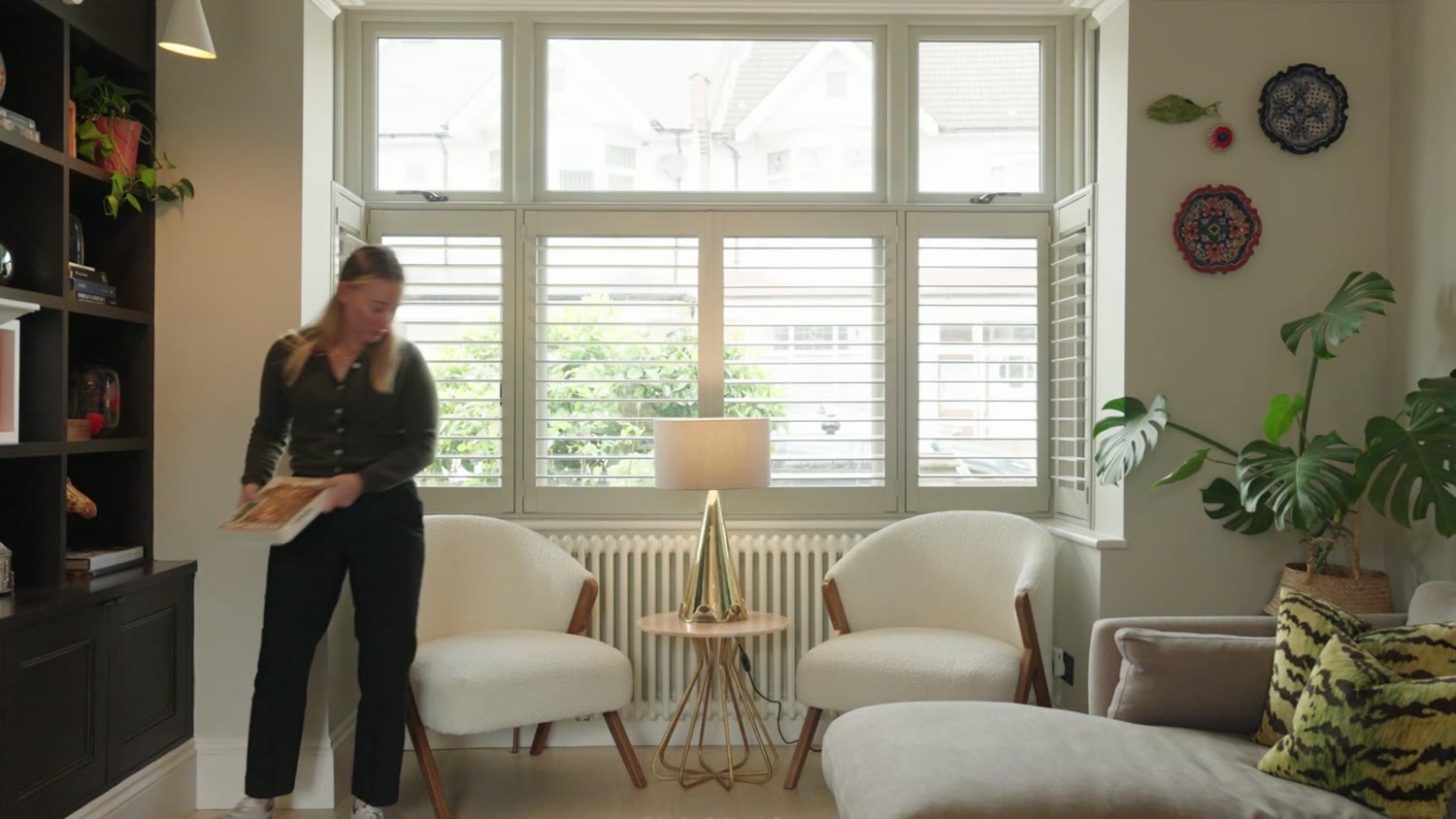 Nimrod Road, told by the homeowners
In a documentary the story is told by the people who lived it. Sometimes that's the founder. Often it's the people who work there, or the customer.
Our Barry Road film is a good example. A London builder had taken on a full renovation in East Dulwich. Every contractor says the same things about themselves: quality, on time, on budget. None of it carries much weight coming from the person being paid. So the film is the homeowner's account, in their own words, filmed once the family had moved back in. The builder barely needs to appear.
We did the same on Nimrod Road in Tooting. A Victorian house that had sat empty, a project that started in September, and a couple with a baby due at the end of November. They tell it. Someone weighing up the same decision hears it from a person in their own position, and that's the version most people believe.
Is a brand documentary scripted?
Corporate video usually starts with a script. Somebody writes it, a few people approve it, and then real people are asked to say it out loud on camera. Even a good script sounds like a script once a non-actor reads it.
Mostly no. Documentary starts with research. We spend time with the business before filming, work out what the story actually is, and then go and film conversations. The structure gets found in the interviews and in the edit, which is why the edit takes as long as it does.
When we made the La Fromagerie film, the story was already sitting there. A wheel of Beaufort in a garden shed. A market stall at Camden Lock and a shop in Highbury at eighty pounds a week. Thirty three years on, three shops with walk-in cheese rooms and a wholesale business supplying restaurants across London. Nobody had to write that. The founder told it, and the cheesemongers and the wholesale side filled in what the business is now. Four people's accounts of the same business in one film, which a script would have flattened into a single voice.
What is "voice of god" narration, and why leave it out?
"Voice of god" is the industry name for the narrator you never see. Deep, calm, slightly too pleased with the company. It's efficient, because it lets you say anything in any order. That's also why viewers have learned to tune it out. It's obviously the company talking through a hired voice.
Without a narrator, everything has to come from someone on screen. That's harder to make and far more convincing to watch. On Carreducker, Deborah Carre and James Ducker met as apprentices under the same master shoemaker at John Lobb, and later set up on their own. They finish each other's sentences, so we shot the interview as one conversation in front of their wall of lasts instead of two takes cut together. A few seconds of them talking over each other tells you more about how that business works than a minute of narration could.
Why do brand documentaries feel slower?
Corporate edits tend to be fast. Every second has to justify itself, so the cuts come quickly and music fills any gap. For a ninety second explainer that's fine.
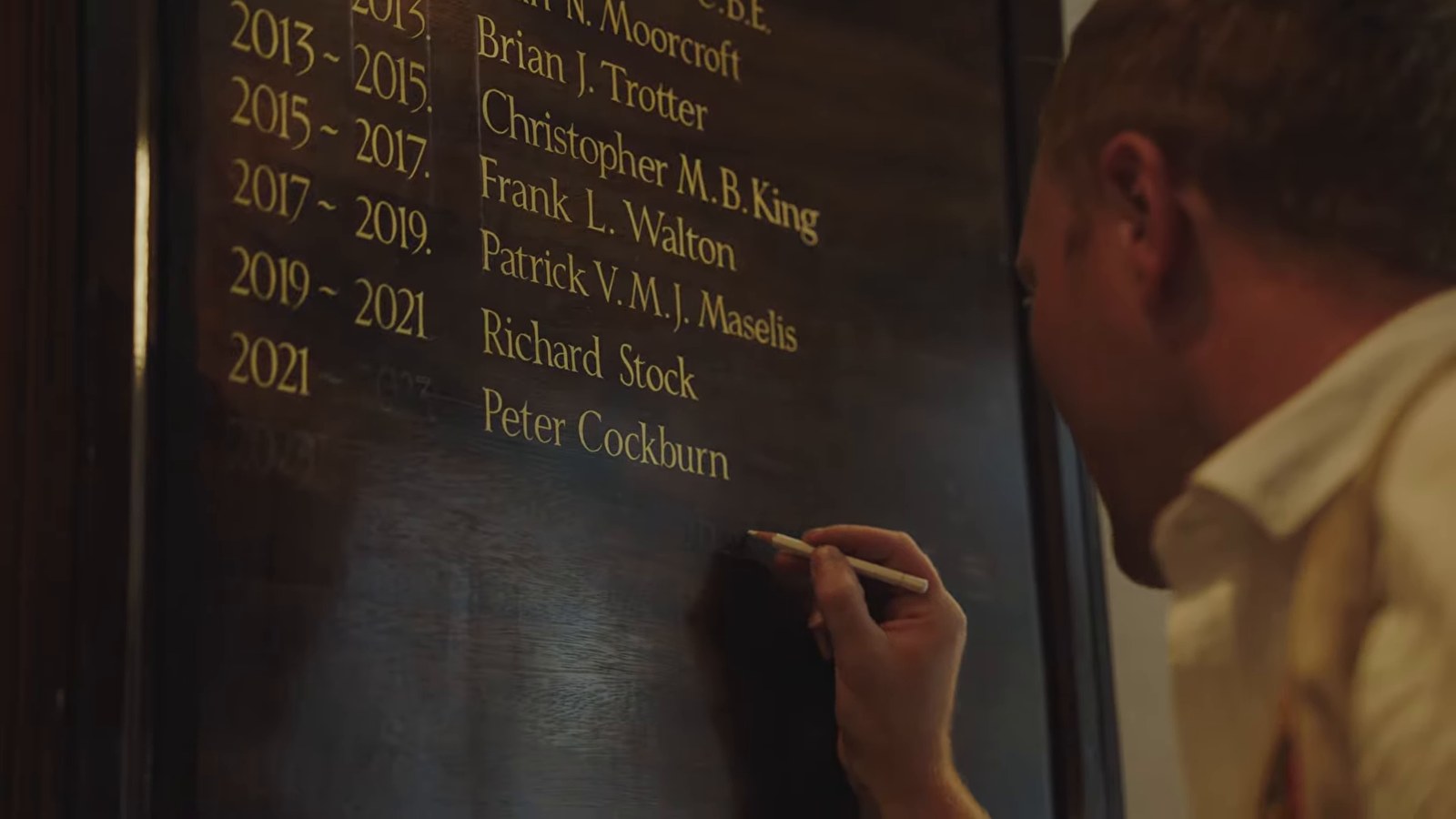
A documentary leaves room. A pause before someone answers. The work happening at the speed it actually happens. With Signwriting Jack, the whole point is the hand: the brush loading, and a single unbroken line that either works or doesn't. Chop that into half-second shots and you've thrown away the only thing worth watching. So we filmed close, waited, and let the shots run.
Slow, done well, reads as confidence. The film isn't in a hurry to sell you anything, so you settle in and keep watching.
Why film real people in real places?
Corporate shoots often happen after hours, in a cleared office, with everyone asked to act natural. Documentary goes where the business actually lives, while it's running. La Fromagerie was filmed during trading hours, around customers, in cheese rooms that are cold and dark. Catherine Marche was filmed at her bench and in a glass fronted shop, where reflections and mixed light fight you the whole way. It's harder work. It also looks like the place you'd actually walk into, and that counts when someone's deciding whether to trust you.
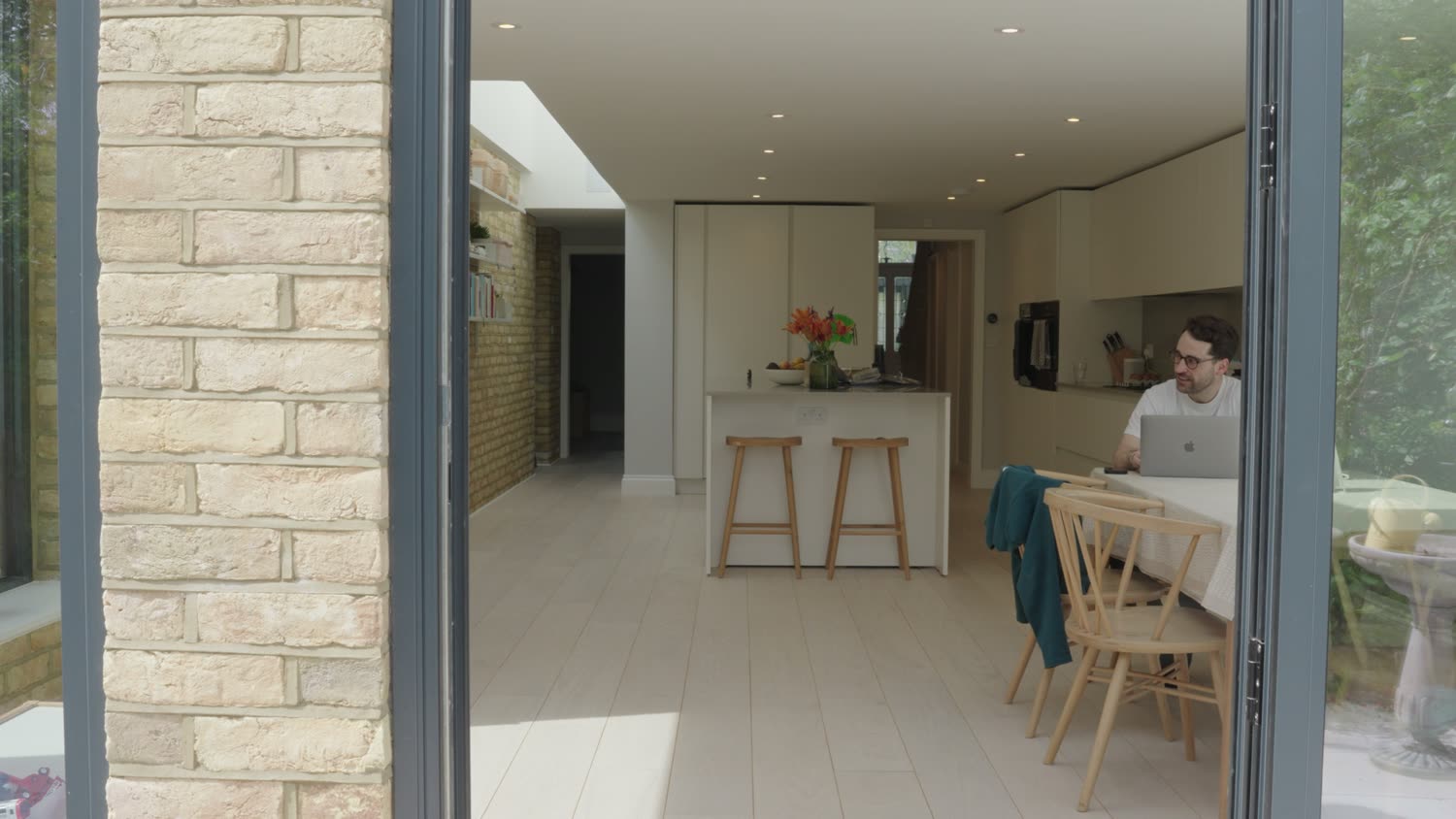
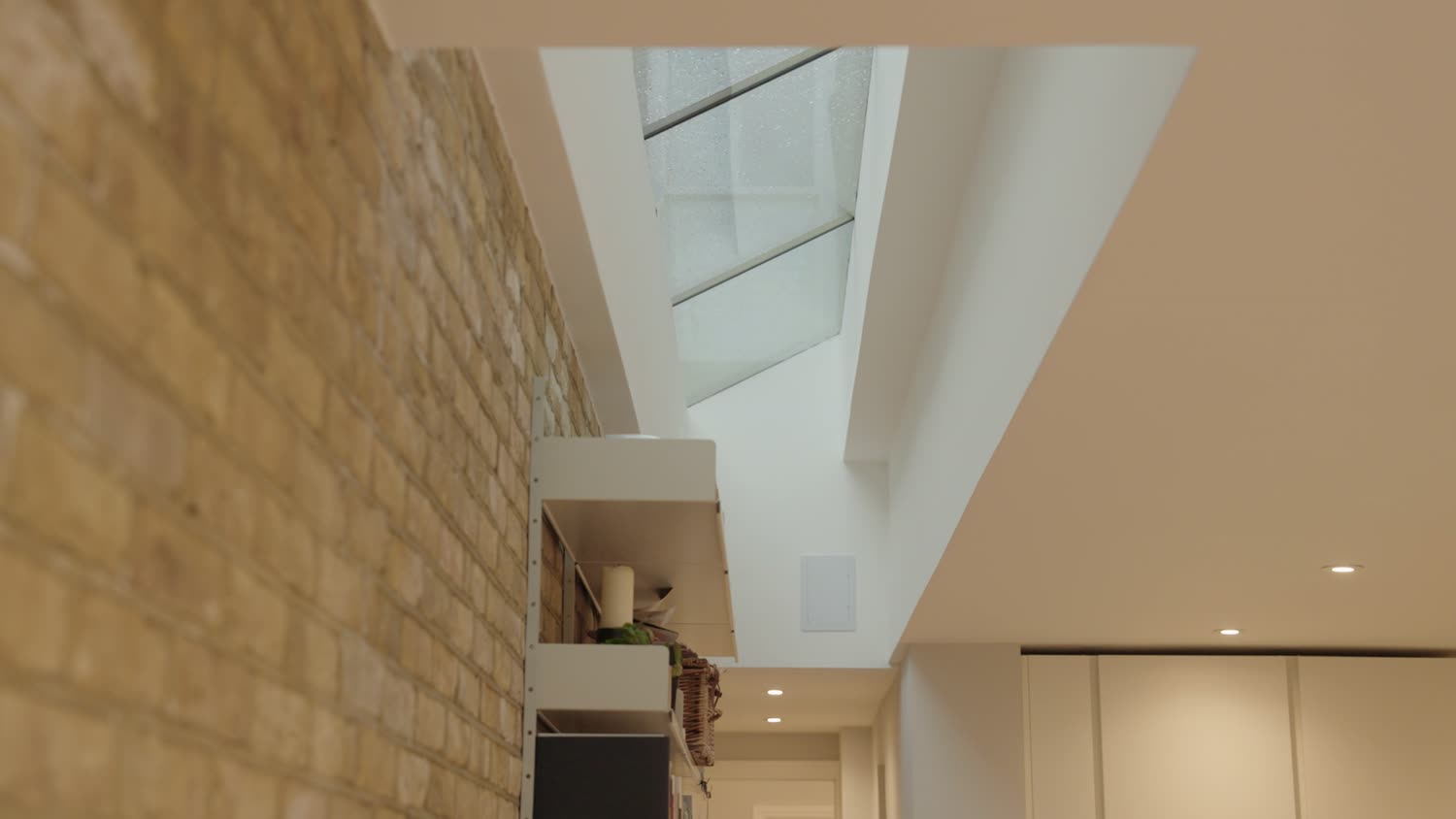
Same with the people. Nothing read off an autocue, and nobody asked to do it again with more energy. When the person on screen is the person a customer would actually deal with, the film does something a presenter can't.
People believe customers and staff more than the person at the top, so a film built on real voices will land harder than a polished company message.
Why does the difference matter to the viewer?
Someone watching a corporate video is being told things. Someone watching a documentary is working things out for themselves, and people trust a conclusion they've reached on their own far more than one handed to them. I think that's most of it. It's why these films get watched to the end and passed on, and why they still hold up years later.
People can tell when they’re being sold to. They lean in when they’re being told something.
It matters most where trust is what's actually being bought. The price is high, people research before they commit, and the competition all sound identical on paper.
Does a brand documentary still need a business goal?
It does, and this is where a lot of lovely films fall down. Being honest and well shot isn't enough on its own. If nobody decided what the film was for, it gets a round of compliments, sits on the website and does very little.
The Barry Road film has a plain job. It's an edit the builder can send to a prospective client who's deciding whether to trust them with a house. The London Fight Factory seminar film was cut as a highlight edit the gym can use to sell the next one. Knowing that before the shoot changed what we filmed and how we cut it. So when someone asks me for a documentary, the first thing I want to talk about is the goal it serves and the budget behind it, and I'd rather we were both straight about both from the start.
When is corporate video the better choice?
To be fair to it, plenty of jobs suit a scripted corporate video. Internal training, compliance, a product walkthrough, anything where getting precise information across matters more than how the viewer feels. A script is the right tool there, and a documentary would be the slow, expensive way round.
But if there's a founder with a story, a craft that took years to learn, or a customer whose life changed because of you, that's a film. You can see the ones we've made on our films page, and if you think your business has one in it, tell us about it.