A shoot day for a documentary brand film in London is usually one long, full day: an early setup, a long interview, then the work filmed as it actually happens, with stills taken alongside. Most of what makes it go well is settled weeks before, in the research, the recce and the permits.
I'll be honest, the day itself is the easy bit. Most people who ask us about a film have never been on a shoot, so here's how one really runs for us, start to finish.
What happens before a brand film shoot day?
By the time a camera comes out, we should already know what the film is about. That comes from research and pre-interviews: time with the people who'll be in it, finding out what they've been through and what nobody outside the business knows. We come back with the story we think it is, and the client tells us whether we've got it right.
Then there's the recce. I want to stand in the space before the shoot, ideally at the time of day we'll be filming. I'm looking at where the light falls at ten in the morning, whether there's a fridge humming in the corner, whether the window behind the obvious interview chair will blow out on camera, and where we can put the kit so it's out of everyone's way. Twenty minutes on a recce saves an hour on the day.
Out of that comes a plan. Who we're interviewing and in what order, the work we need to see happen, where the interview goes, and a rough schedule that leaves room for things to run over. It will change on the day. That's normal.
The UK's production industry is growing fast, which means London has the crews, kit and know-how to make a small brand film look like it belongs on a big screen.
Source: BFI, Official BFI statistics 2025 (published 5 February 2026)
Do you need a permit to film in London?
Sometimes, yes. If any of the day happens in a public space, the pavement outside, a park, a market, you may well need permission first. Each borough has its own process for filming on its streets, and the Royal Parks and Transport for London run their own. A small crew with handheld kit is often treated more lightly than a full unit with lights, cables and a generator, but the rules vary from place to place, so we check rather than assume.
Then there's getting there. Parking near most London locations runs from difficult to impossible, and a car full of cases on a single yellow line is a bad start to anyone's morning. Depending on the location we'll sort a loading bay, a parking suspension if the shoot genuinely needs a vehicle outside, or just travel lighter. The Congestion Charge and ULEZ go into the plan as well, because they affect the call time as much as the cost.
What happens when the crew arrives?
Call time is usually early. The first hour goes on setup, and nobody being filmed needs to watch that happen.
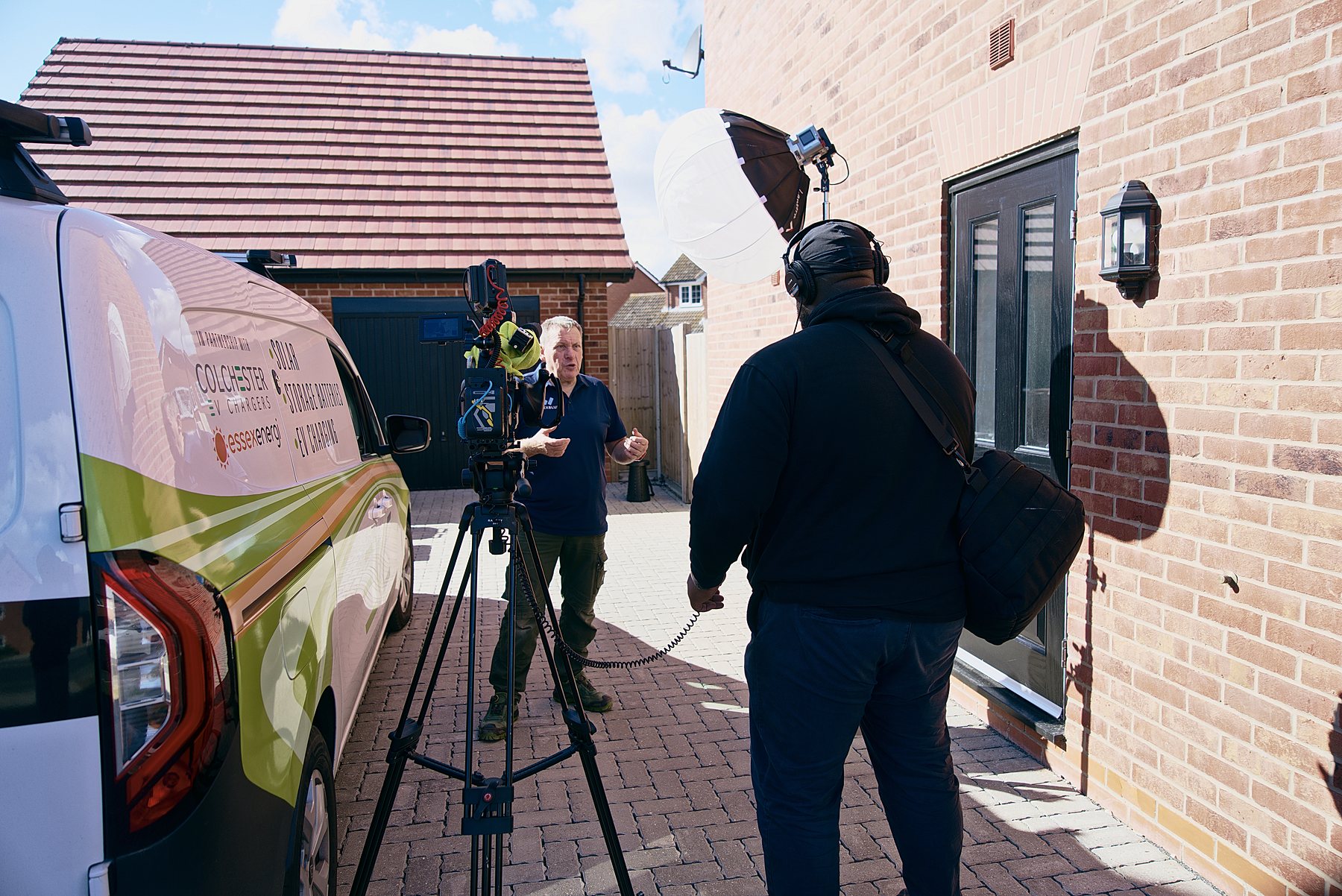
We build the interview first, because it's the spine of the film and the part with the least room for error. The light gets shaped so the room looks like itself on a good day, rather than a studio someone dropped into the corner. Sound gets more attention than picture: a lav mic and a second mic overhead, levels checked, and then we go round switching off whatever we can. Fridges, air con, the radio in the back. And somebody writes a note to switch the fridge back on before we leave.
On a working site, all of this has to fit around the business. We filmed La Fromagerie during trading hours, around customers, including in cheese rooms that are cold, dark and full of people. Nothing stopped for us and nothing should have.
How is the interview filmed?
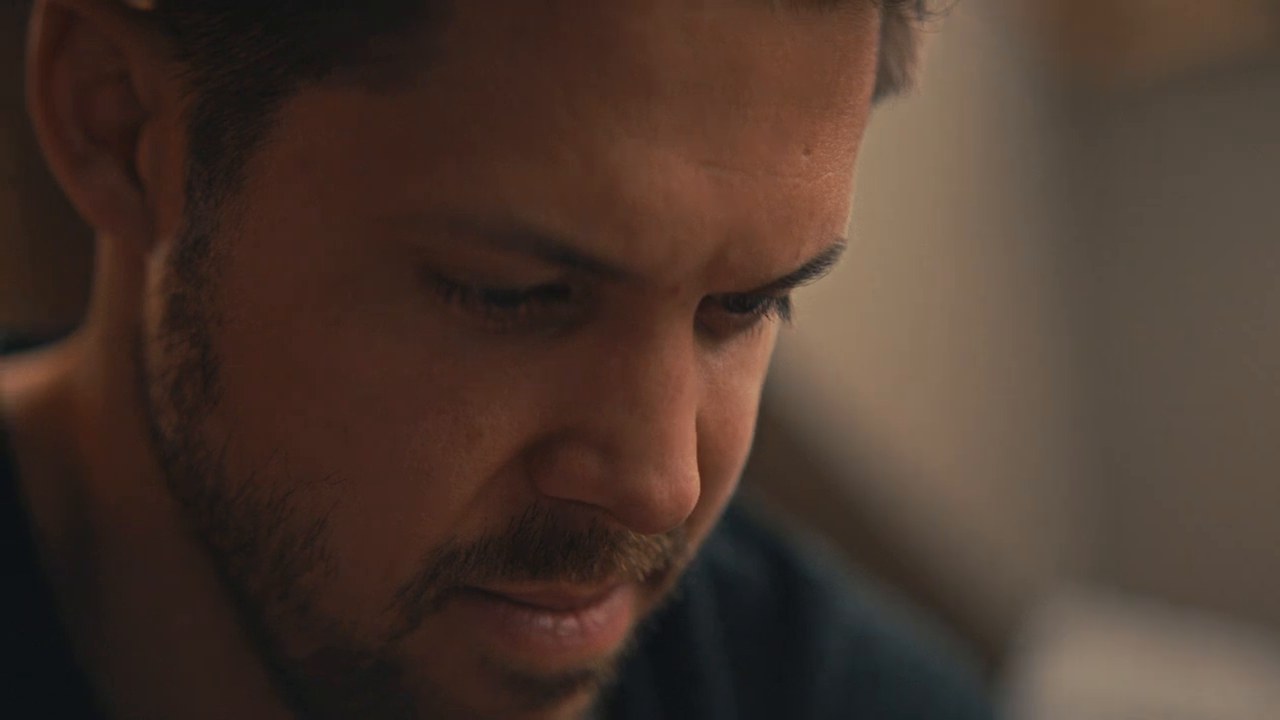
The interview is a conversation. Nothing read off an autocue, no script handed over the night before. I'll have questions, but the good material nearly always comes from following up on something the person said in passing.
It runs long, often well over an hour. People spend the first stretch giving the answers they think they're supposed to give. Somewhere past that they relax, and they start telling you what actually happened. I ask them to answer in full sentences, folding the question into the answer, because my voice won't be in the finished film and the answer has to make sense on its own.
Some films need a different setup. Deborah Carre and James Ducker of Carreducker are two founders who finish each other's sentences, so we filmed them together as one conversation in front of their wall of lasts, rather than as two separate interviews cut together afterwards.
How do you film the work itself?
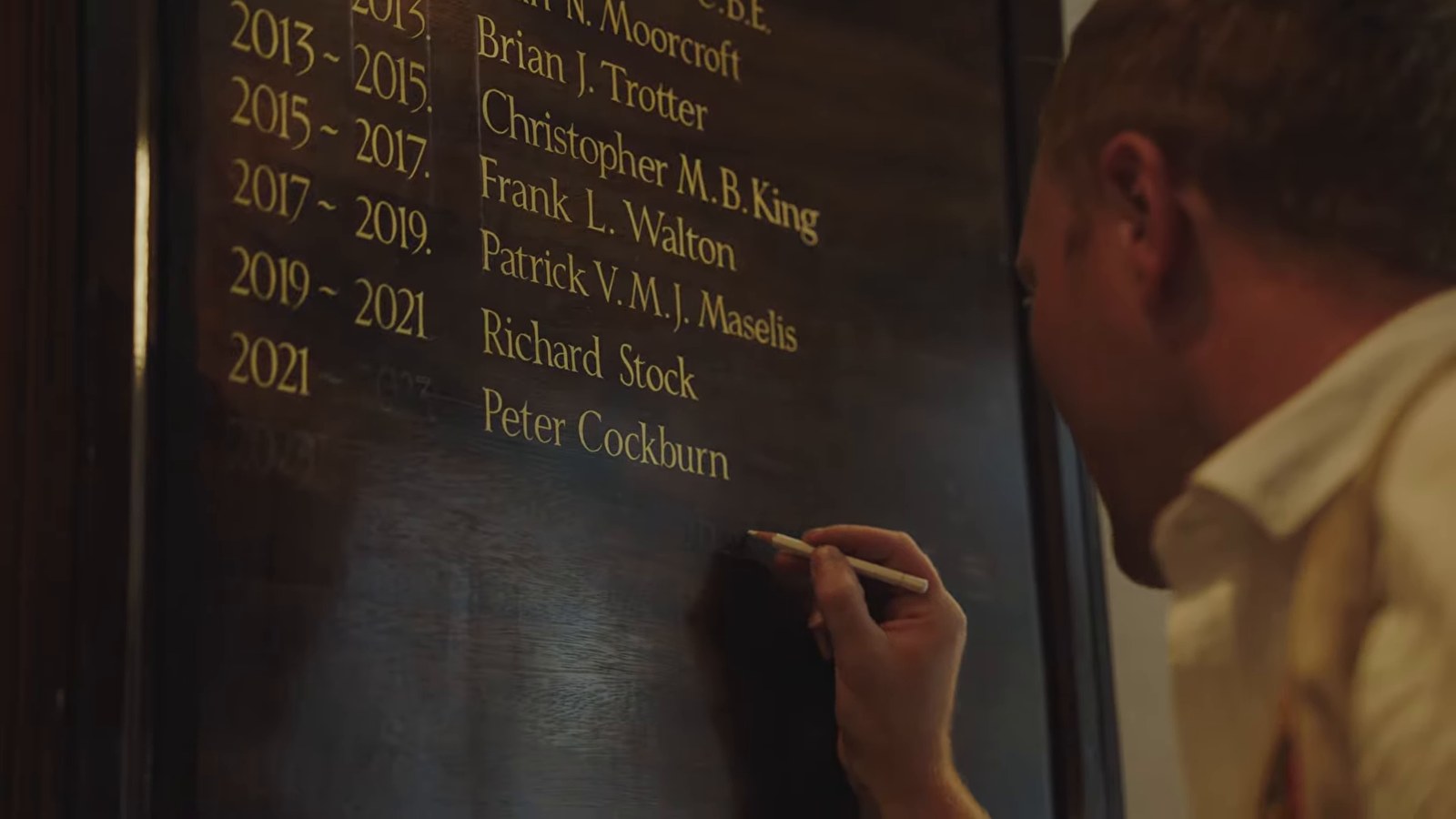
After the interview, or sometimes around it, we film the work itself. As it happens, at the speed it happens. For Carreducker that meant close, patient coverage of the hand sewing and the bench work. Every pair goes through 210 steps and takes six months, and the parts that matter most are the slowest to watch, so you have to wait for them.
 Catherine Marche Designs
The interview usually tells you what to shoot next. If someone mentions a tool, a habit, a corner of the workshop, it goes on the list. That's how the pictures end up matching the words in the edit, instead of being generic shots laid over the top.
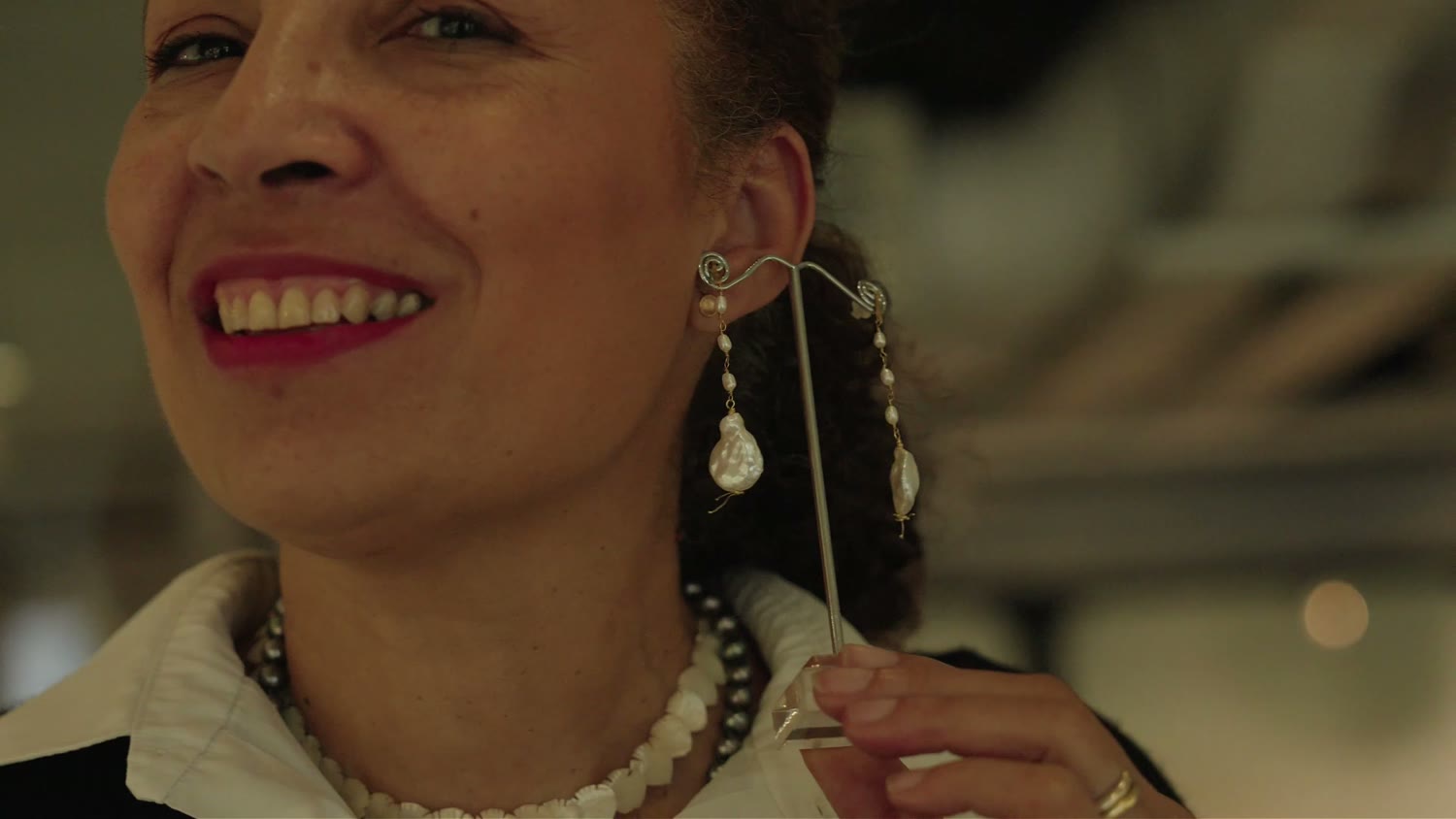
Some places fight you. Catherine Marche works at the bench and sells from a glass fronted shop, and reflections and mixed lighting fight you the whole way. You deal with it angle by angle. We shoot stills across the same day too, so the film and the photographs look like the same company.
Why use a small crew in London?
We keep crews small on purpose. Most of the places worth filming in London are tight: workshops, back rooms, shop floors, kitchens. A small crew fits, moves quickly, and doesn't block the pavement. It also changes how people behave. Someone being interviewed relaxes a lot faster with two people in the room than with eight, and for documentary that relaxation is the whole thing you're after.
In London, the smallest crew in the room is usually the one that gets the shot.
Then there's the city itself. Sirens, aircraft on the approach, building work starting up next door at the worst possible moment. You stop, wait, and go again. The light through the windows changes across the day too, so the schedule puts the interview where the light holds steadiest and moves the B-roll around it.
What if the work's already finished?
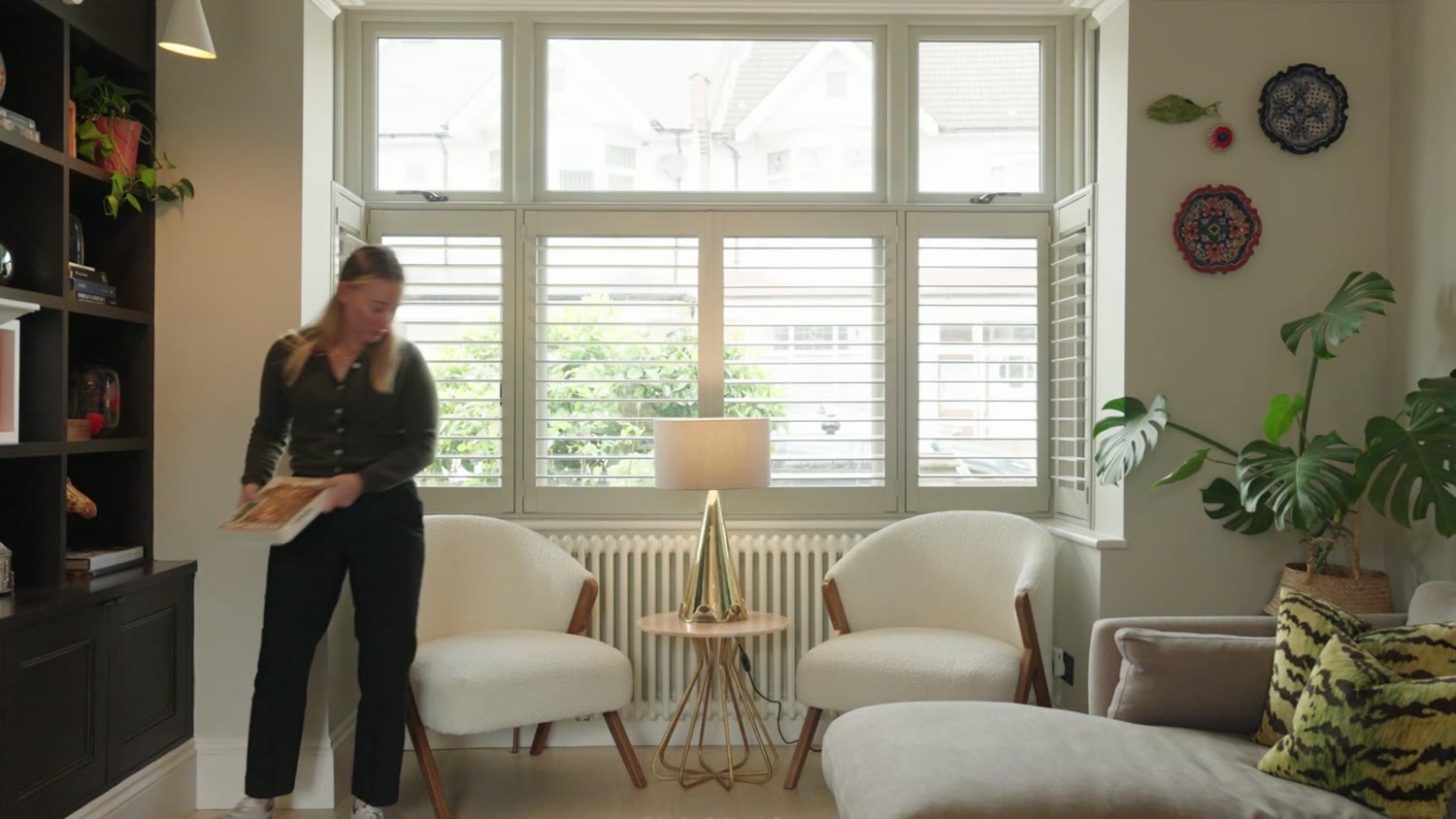
Not every shoot day catches the work in progress. Our renovation films for Nimrod Road in Tooting and Barry Road in East Dulwich were both filmed after the job was finished, with the families already moved back in. At Nimrod Road the before only exists in the original listing photos, so those got cut against the finished rooms. We filmed the street and the neighbourhood as well, because part of that couple's story is why they bought there in the first place.
That kind of shoot day is quieter. The interview carries far more of the weight, and the B-roll is about the finished spaces and the life going on in them.
What happens after the shoot day?
The edit starts with the interviews, not the pictures. Everything gets transcribed and the structure gets built on paper first, then pace, then picture. The client sees a rough cut while changing it is still cheap, and again before it's finished. After that the colour grade and the sound mix go to people who do only that.
Then come the cut-downs. Our main films usually run four to ten minutes, with a sixty to ninety second version for the top of a website and six to ten vertical pieces cut for the feed. For char.gy, one shoot turned into eleven finished exports: the long film, a sixty second cut and a thirty second cut, each in 16:9, 9:16 and 1:1, plus an audio described version of the long film and the sixty second cut.
From first conversation to finished film is usually six to ten weeks, and most of that is the bit you can't rush. If you want to see what comes out the other end, the films page has the process and the work side by side.