Brand storytelling is the practice of explaining who you are, what you do and why it matters through a real story with people in it, rather than a list of features. Done well, it makes a business easier to remember, easier to trust and easier to choose. The short version is in what brand storytelling is, and this guide covers the rest.
I make documentary brand films for a living, so I've watched a lot of businesses find their story on camera, and a lot more fail to find it on paper. This guide walks through the whole subject in the order a UK business owner tends to need it: what it is, why it works, how to build a story, how to structure it, how to put it on video, how to use it in your marketing, and what good looks like. Every section links to a deeper answer on the questions that come up most, so you can read it straight through or jump to the part you're stuck on.
What is brand storytelling, and who does it?
Strip the jargon away and it's this: a business tells people where it came from, what it believes, who it helps and what changed because of it, in a way a stranger can follow. That's the plain version of the answer in what is brand storytelling. It isn't a slogan or a mission statement. It's the account of events behind them.
The marketing definition is narrower, and it's worth knowing the difference. Brand storytelling in marketing means using that account deliberately, across your website, your sales conversations, your social posts and your films, so each piece adds to the same picture instead of starting from scratch. A founder telling the origin story at a networking event is storytelling. Doing it on purpose, in the same shape, everywhere a customer might meet you, is the marketing version.
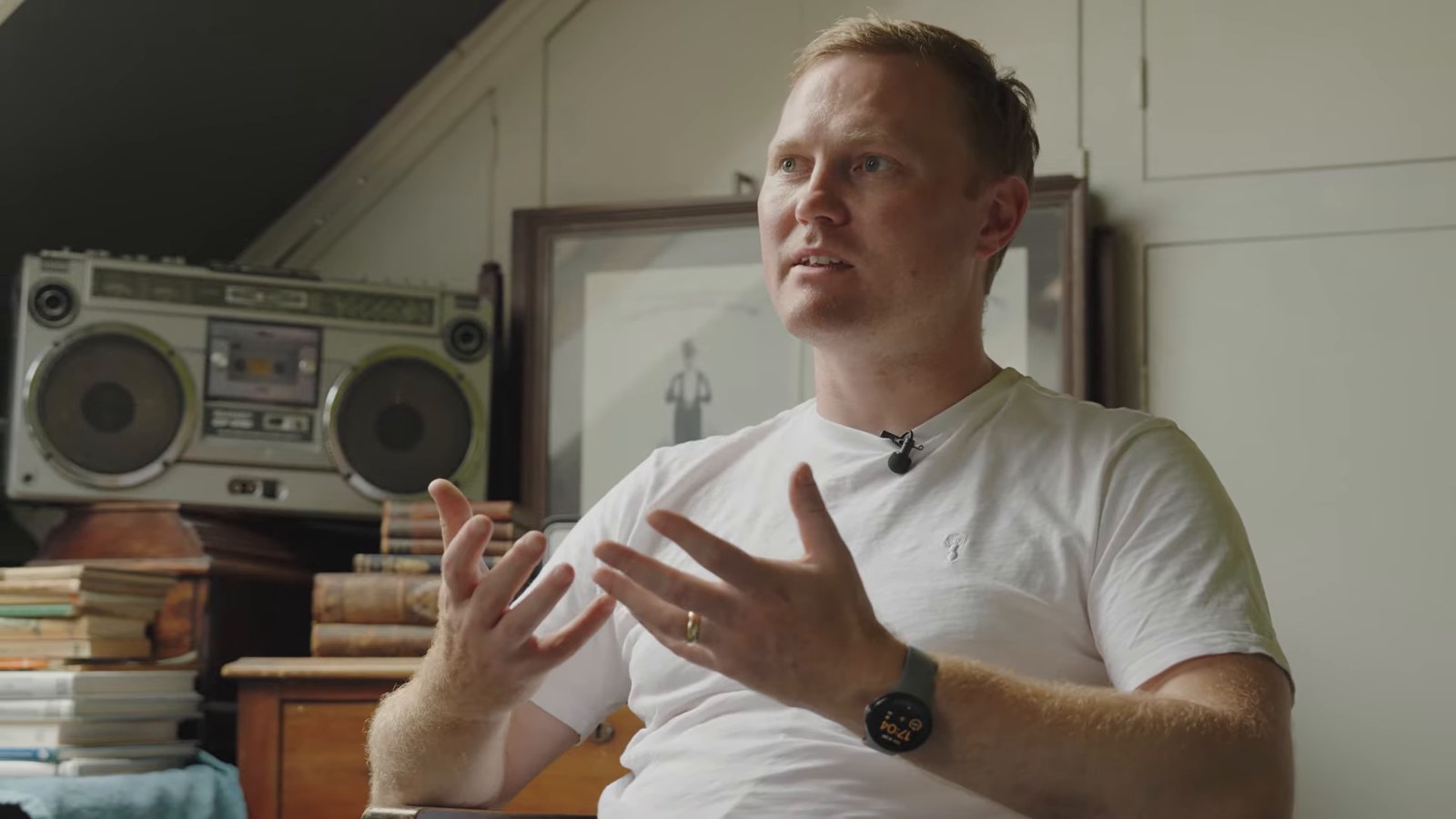
It's also not a job for one department. Most businesses already have someone doing it without the title, and who a brand storyteller is often turns out to be the founder, the longest serving member of staff or the customer who tells it better than anyone. Sometimes it's an outsider whose job is to ask the questions you've stopped asking yourself. On shoots, that's usually what I end up doing: asking the obvious questions that insiders no longer notice are interesting.
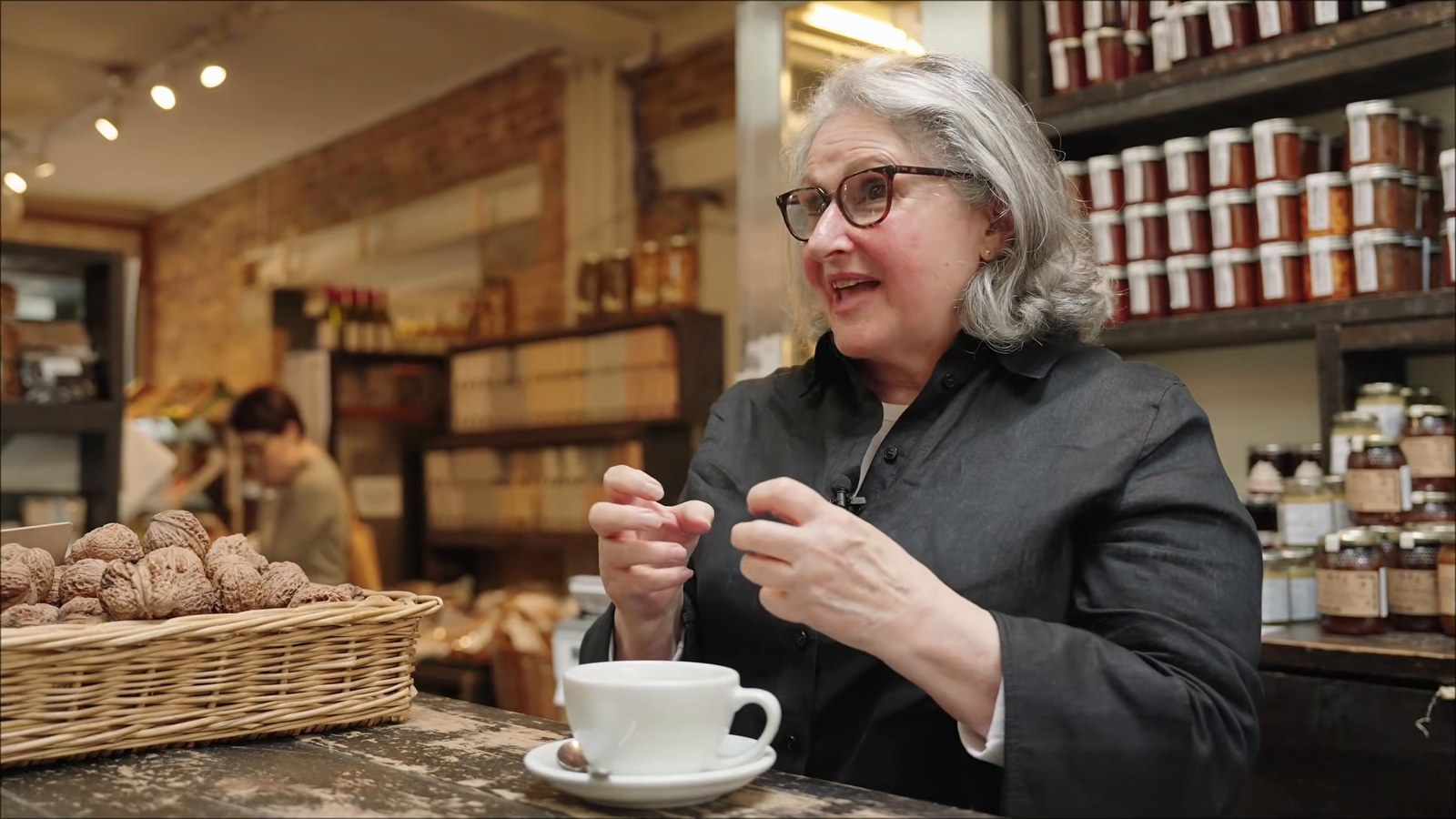
The practice isn't limited to household names either. If you want to see which brands use storytelling, the list runs from the very large to a three shop cheese business in London, and the small ones often do it better because they've got a real person to put at the front.
Why does storytelling work, and does it actually pay?
People don't remember bullet points, they remember what happened to someone. That's the simple reason behind why storytelling works in marketing: a story gives the listener a person to follow, a problem to care about and an outcome to wait for. A list of benefits gives them nothing to hold on to. When I cut an interview, the lines that make the final film are almost never the polished claims. They're the bit where somebody says what went wrong before it went right.
There's a wider argument for it too, which I've covered in why brand storytelling matters and why storytelling is important in business. The first is about the customer: what a story does to their trust and memory. The second is about the business itself, because a company that can tell its own story clearly usually knows what it's for, which makes hiring, pricing and sales conversations easier.
Then there's the question every sensible owner asks, which is whether it pays for itself. How effective storytelling is in marketing depends on how you measure it, and I'm wary of anyone who promises a figure. What I can say is that money is following video. The IPA's Bellwether Report for the second quarter of 2026 found video was the only main media area where UK companies raised budgets, with a net balance of +8.2%, while main media as a whole managed +1.5%. Marketers are putting their money where they expect people to watch.
None of that means every business needs a film tomorrow. It means the audience for a well told story on screen is already there and already used to watching it.
One more thing before moving on. Storytelling isn't a tactic you bolt on, and whether storytelling is a marketing strategy comes down to where it sits. As a one off campaign it's a tactic. As the thread that decides what you say, to whom, and in what order, it starts to behave like a strategy. I'd treat it as the second, even if you only ever start small.
What makes a good brand story?
A good brand story is specific, honest and about someone other than the brand. That's the short answer to what makes a good brand story, and the third part is where people struggle. Most business stories are written in the first person plural: we are passionate, we are committed, we are proud. The ones that land are written around a customer, a craftsperson or a founder at a particular moment, with something at stake.
Honesty matters more than it sounds. A story with no difficulty in it reads as an advert, because nobody's life goes that smoothly. The shoemaking film we made for Carreducker works because it doesn't hide that a pair takes six months and 210 steps by hand. The slowness is the story.
It also needs to be clear what's in it. What a brand story should include is a short list: where you started, the problem you saw, what you did about it, who you do it for and what you stand for now. Leave any of those out and people fill the gap themselves, usually with something less flattering. Put all of them in at full length and you've written a company history, which is a different document.
If you're wondering what the finished thing looks like, what a brand story looks like might be a page on your website, a three minute film, a founder's talk or a pinned set of posts. The format isn't the story. The story is the account underneath that can be told in any of them.
Video was the only main media area where budgets grew in Q2 2026, so more of the attention you're competing for is on film.
Source: IPA Bellwether Report, Q2 2026
How do you tell and write a brand story?
Start by gathering, not writing. How to tell a brand story begins with conversations: your founder, your longest serving staff, three customers who've stayed with you for years and one who nearly didn't. Record them, or at least take proper notes. The best lines are in what people say off the cuff, and almost none of them will survive a meeting called to brainstorm the brand narrative.
Then comes the page. How to write a brand story is mostly a matter of cutting. You'll have far more material than you can use, so pick one person, one turning point and one idea you want a stranger to leave with. Write it the way you'd tell it to a friend, then take out every sentence that sounds like a company wrote it.
People also ask how brand storytelling should always begin. My answer is with a moment, not a mission. Open on something that happened: the market stall, the first order, the phone call that changed the plan. It gets the listener into the story before they've had time to decide whether they're interested in a brand.
A word on length, since it trips people up. How long a brand story should be depends on where it lives. A website about page can carry 300 to 500 words, a film often runs somewhere between two and five minutes, and a social cut might be under a minute. If you're planning a film, I've written about running time in how long a brand film should be.
How should a brand story be structured?
Structure is what stops a good pile of material from rambling. How a brand story should be structured is, at heart, a sequence: a situation, a problem, a turning point, a change and what it means for the person watching. You'll recognise it from every film you've enjoyed, because it's how people have told stories for a very long time.
The follow-up question is which shape wins. Which storytelling structure is most effective in marketing doesn't have a single answer, and anyone who names one is selling something. The shapes that tend to do the work are the origin story, the customer transformation and the challenge and resolution. Pick whichever one your real material supports, and don't force a founder's struggle into a hero's journey if what you've actually got is a quiet, well made craft business.
Underneath structure sits narrative in marketing: the larger idea that connects your individual stories. If a story is one film, the narrative is the reason you'd make five. It's the belief your business keeps coming back to, and it's what makes separate pieces feel like they belong together.
A brand story isn't what you say about yourself. It's the account a stranger could repeat to a friend after hearing it once.
How do you put a brand story on video?
Video is where a story stops being something you describe and becomes something people can see and hear. A brand story video is a film built around that account, usually with the founder or customers speaking for themselves, rather than a product advert with a voiceover. It's the format I work in, and it suits stories where the people are the interesting part.
The distinction matters when you're choosing a style. A documentary approach follows real people in their real place of work and lets them speak, while a corporate video tends to script and stage. I've written about the difference in brand documentary versus corporate video, and it's worth reading before you brief anyone.
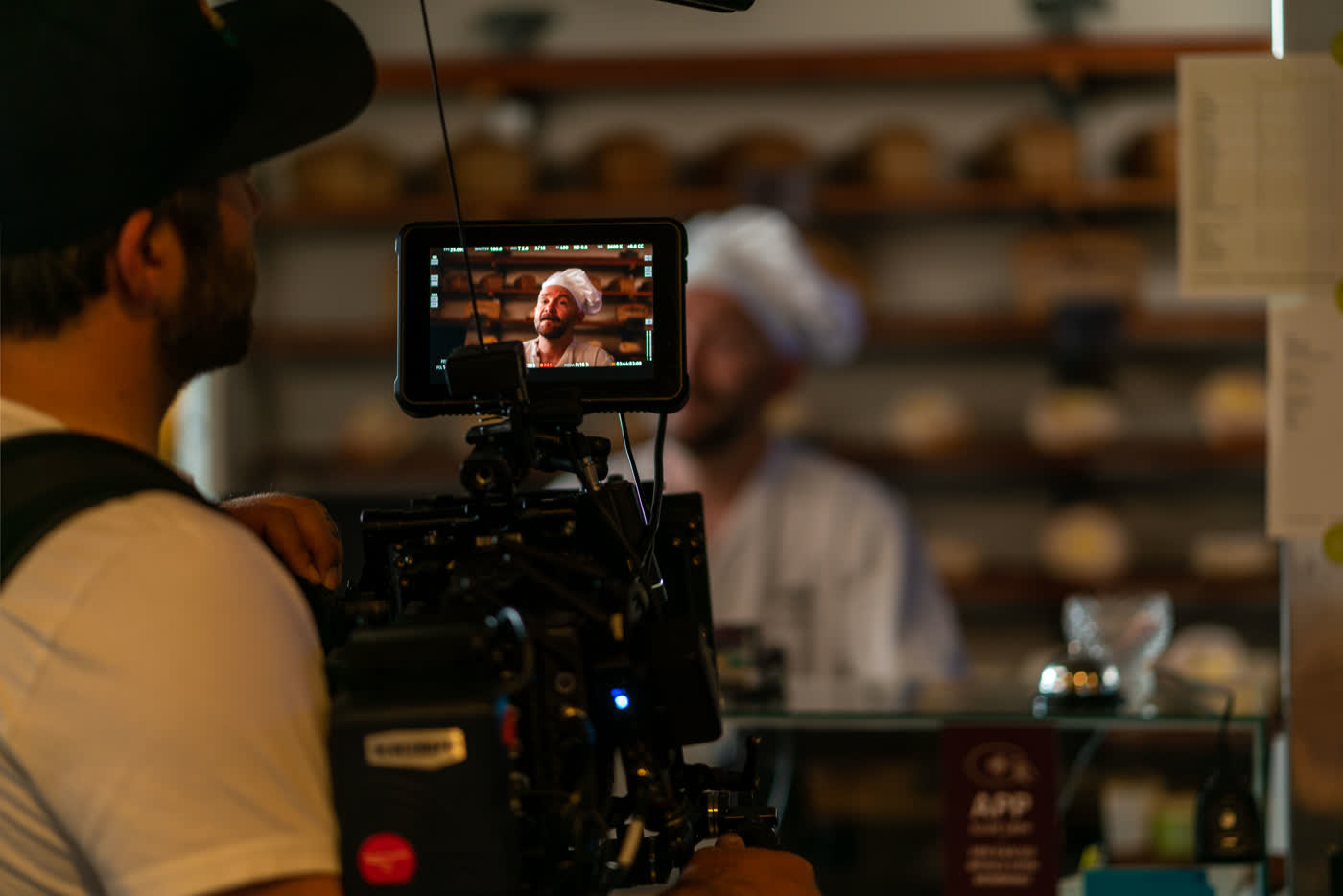
On the day, the work is less glamorous than people expect. We turn up, set up the interview, and spend most of the time getting someone relaxed enough to talk the way they do in their own kitchen. Then we film the place doing what it normally does, around the people who work there. For La Fromagerie, that meant filming in shops while they were open and trading, which is a different discipline from an empty set. You can watch the result below, and I've written up what went into it in the La Fromagerie film breakdown.
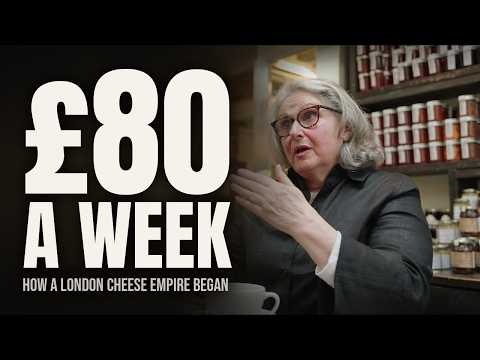 From a garden shed to three London cheese shops, La Fromagerie
If you're weighing up cost and brief, two earlier posts do the groundwork: how much a brand film costs in the UK and how to write a video brief. A story that's been properly thought through before the shoot is cheaper to film than one found in the edit.
How do you use a brand story in your marketing?
Once you've got the story, the job is to put it to work. How to use storytelling in marketing is mostly about repetition in different clothes. The same account becomes the about page, the opening of a sales call, the first thirty seconds of a film, a run of social posts and the answer you give when someone asks what you do. If each of those tells a different version, you've got five stories and no brand.
The payoff is consistency. How a brand story can enhance your marketing efforts mainly comes down to your ads, emails and posts no longer competing with each other, because they all draw from the same source. People start to recognise you before they've read the small print.
Content is where this gets practical. How a brand story should be used in content creation comes down to treating it as the brief for everything else. Before anyone writes a post or books a shoot, ask which part of the story this piece tells. And the way a brand story benefits content creation shows up quickly: you stop staring at a blank calendar, because the story already supplies the themes, the people and the proof.
A single film can carry a lot of that weight. I've explained how to stretch it in how to turn one brand film into a year of content, and it's the best argument I know for filming the story once and properly. If you're still working out the purpose, why a brand film needs a business goal is the place to start.
Visual, digital, data and social storytelling
The channel changes how a story gets told, though not what it is. Visual storytelling in marketing lets images and footage carry the weight that sentences would otherwise have to. digital storytelling in marketing is the same idea delivered through websites, email, video and apps, where people can interact with it as well as watch.
Data storytelling in marketing is the odd one out, because it starts with numbers instead of people, and the skill is in finding the human point inside them. Use it for reports and case studies where the figures are the proof. And storytelling in social media marketing is the short, fast version: a story told in pieces, over weeks, to people who are scrolling and give you a couple of seconds.
What do brand stories look like in practice?
Examples help, as long as you take the principle and not the polish. A brand story example is easiest to learn from when it's small enough that you can see all the moving parts. A business with one founder, one origin and one clear belief shows the structure far more clearly than a multinational with forty years of campaigns.
Of the big names, Nike's brand story is the one people ask about most. It runs from a runner and his coach, through Just Do It, which arrived in 1988, to campaigns built around athletes who'd taken a risk. What makes it useful isn't the budget. It's that the story keeps coming back to the same belief about effort, whatever the product is.
Others show different strengths. Dove's Real Beauty work, which began in 2004, put ordinary women where models would usually be. Patagonia ran a Black Friday advert in 2011 telling people not to buy a jacket they didn't need, which only worked because the company had been saying the same thing about waste for years. In each case the story could be believed because the business had behaved that way first.
The smaller examples are closer to what most of my readers need. Catherine Marche works only in recycled metal, so the story is the material. Signwriting Jack is about a trade that's nearly all hand and eye. Neither needed a big idea invented for it. They needed someone to point a camera at what was already true.
Where do you start?
Start with one person and one moment. Pick the founder, the customer or the craftsperson who tells it best, write down the turning point in a sentence, and see whether a stranger would care. If they would, you've got the beginning of a story. If they wouldn't, keep asking questions until you find the part that is.
If you'd like help finding it, have a look at the films page to see how we work, and when you're ready, the easiest way to start is getting in touch.
Every question in this guide
The thirty questions below each have their own deep dive. Pick the one you're stuck on.
- What is brand storytelling?
- Why is brand storytelling important?
- What makes a good brand story?
- How to tell a brand story?
- How to write a brand story?
- What should a brand story include?
- How should a brand story be structured?
- How long should a brand story be?
- What is a brand story video?
- What brands use storytelling?
- What is brand storytelling in marketing?
- What is a brand story example?
- What is Nike's brand story?
- How should brand storytelling always begin?
- Why is storytelling important in business?
- How can a brand story enhance marketing efforts?
- How should a brand story be used in content creation?
- How does a brand story benefit content creation?
- What does a brand story look like?
- Who is a brand storyteller?
- How to use storytelling in marketing?
- How effective is storytelling in marketing?
- What is visual storytelling in marketing?
- What is digital storytelling in marketing?
- What is data storytelling in marketing?
- Why does storytelling work in marketing?
- Is storytelling a marketing strategy?
- Which storytelling structure is most effective in marketing?
- What is storytelling in social media marketing?
- What is narrative in marketing?