A video brief a production company can actually use explains the problem rather than the solution. It says what the film is for, who it's for, what you want them to do afterwards, where it'll be seen, what the budget is, when it's needed and who signs it off. One or two pages is plenty. Leave the creative approach to the people you're hiring, and give them everything they need to get it right.
The briefs that cause trouble are rarely too short. They're usually full of the wrong things: shot lists and scripts, with no mention of the goal or the money.
What should a video brief include?
Here's the structure I'd use, in roughly the order a production company will want to read it.
- The goal. One sentence on what the film needs to achieve for the business. Win bigger clients, hire engineers, launch a product, sell tickets.
- The audience. Who's watching, what they already know about you and what they're sceptical about.
- The action. What you'd like them to do after watching, and how you'll know they did it.
- The story you suspect is there. The founder's history, a customer whose life changed, a craft that took years to learn. You don't need the answer, just your hunch.
- The people. Who's available to be filmed, who's good at talking, and who'd rather not.
- Where it'll live. Website, sales, LinkedIn, events, ads. This decides the lengths, formats and aspect ratios.
- Budget. A number, or at least a range and a ceiling.
- Timings. Fixed dates like a launch or an event, and when filming can and can't happen.
- Sign-off. Who approves the film, named, from the start.
- Constraints. What can't be shown, brand guidelines, legal or compliance checks, accessibility needs.
- References. Two or three films you like, and why. One you don't, and why.
What do most video briefs get wrong?
They describe the answer. "Two minutes, upbeat music, drone shot of the building, MD to camera, make it engaging." That's a brief for a film you've already imagined, and it tells the production company nothing about the problem it's meant to solve. You'll get exactly what you asked for, and it might not work.
A related mistake is copying a competitor's film into the brief. If theirs worked, it worked for their goal and their audience, and a lookalike will just make you sound like them, which is the one thing a brand film should never do.
The other common gaps are no budget, no clear audience ("everyone" isn't an audience) and no named person signing it off. That last one causes more pain than any other, because a senior voice arriving at the final cut can undo weeks of work.
A brief that describes the answer gets you exactly what you asked for, and it might not work.
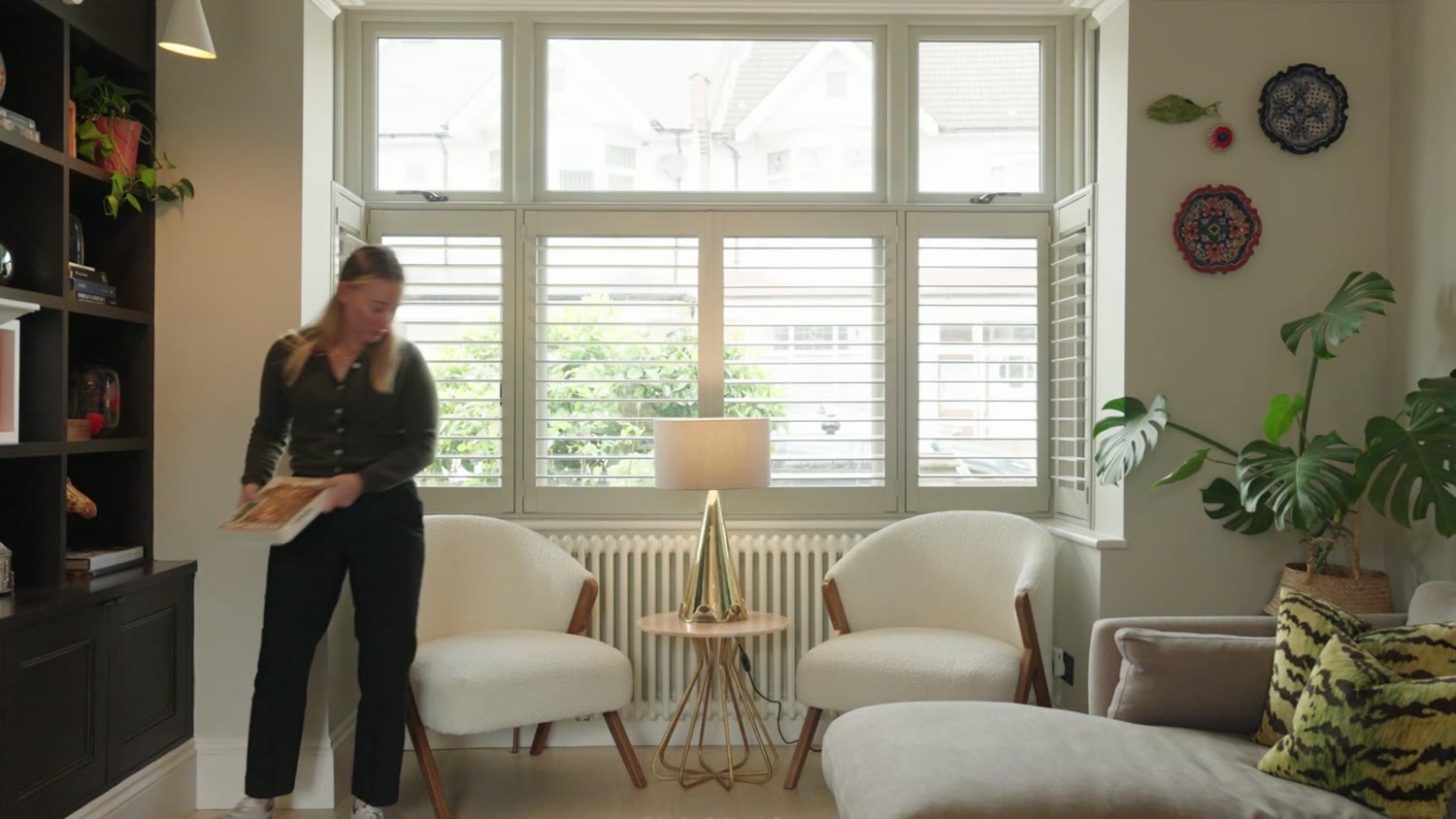
Compare that with what can happen when a brief starts from the problem. With the Easee brand films, the starting point was simple: nobody wakes up wanting a charge point. They want one because something else happened. So instead of one film about the product, there were three, each built around a moment that actually triggers a purchase: moving house, passing your test, and being a landlord with a grant to claim.
 Easee, a couple moving house
Around four in ten businesses bring in outside video help at least some of the time, and the brief is what decides whether that help hits the mark.
Source: Wyzowl, Video Marketing Statistics 2026 (survey of 266 respondents, late 2025)
How much creative direction should you give?
Less than you think, and more context than you think. Give the problem and the non-negotiables, then let the company come back with an approach. That's what you're paying them for.
References are the exception, and they're useful. "We like this because it feels unhurried" or "this one, because the customer does all the talking" tells a director more than a page of adjectives. Say what you don't want as well. It's often the quickest way to rule out the wrong direction.
For documentary-style work there's another reason to hold back. The real story usually turns up during research, in conversations with your people. If the brief has already fixed the script, there's nowhere for it to go.
 How to Hire a Video Production Company, s4digital
How do you brief for a film where you can't show everything?
Say so in the brief, early. It changes how the whole thing gets shot. On the Car Planet customer story, the client didn't want the site itself on display. Knowing that in advance meant framing everything tight on the work and planning to fill the edit with b-roll from previous installs and the client's own image bank. Finding out on the day would have been a very different story.
The same goes for anything confidential: customer names, pricing on screens, staff who can't appear, areas that need permission to film. None of it is a problem if it's known up front.
How long should a video brief be?
One to two pages. Long enough to cover the eleven points above, short enough that the person who signs it off will actually read it. If it's running to five, it's probably trying to brief two films at once, and it's worth asking whether you need two films. Write it in plain language, the way you'd explain it to someone over coffee. A brief that only makes sense to people inside your business won't make sense to the people you're hiring.
What happens after you send the brief?
A good production company will come back with questions, and maybe some pushback. That's a good sign. It means they've read it properly and are thinking about whether the approach suits the goal. Be wary of the opposite, a polished proposal back within the hour that could have been written for anyone.
With us, the brief starts the research stage. We spend time with you before anything's filmed, and come back with the story we think it is, so you can tell us whether we're right. Then the project is quoted as one fixed figure, agreed before anything's booked. You can see the full process on our films page, and if you need to set the number first, start with how to set a video budget.
If you'd like a fuller planning template, our free 56-page guide Before the camera comes out covers the whole thing. And if your brief is already written, send it over. We come back within one working day.