Filming on its own often isn't enough because a film only earns its money when it's attached to something the business is actually trying to do. A launch, a hiring push, a sales process where buyers keep stalling, a campaign that needs something at the centre of it. Decide that job first and the creative usually gets better, because it finally has something to aim at.
When I was younger it was all creative for me. Now the work has to add to a goal. I care about how a film looks as much as I ever did. I've just stopped thinking that's the whole job.
What does creative mixed with performance actually mean?
It's an awkward phrase, so here it is plainly. Creative is the idea and the craft: the story, who's in it, how it's shot and how it's cut. Performance is what happens once it's out: who sees it, what they do next, and whether that moved the business forward.
Most production companies only really own the first half. Most performance marketers only own the second. The films that pull their weight have both in the room from the start. That doesn't mean turning a documentary into an advert with a discount code in the corner. It means knowing, before anyone picks up a camera, who the film is for, where they'll come across it and what you'd like them to do afterwards. That shapes everything from who we interview to how long the cut runs.
Why do so many well made films do nothing?
Because nobody decided what they were for. A business spends real money on a lovely film, it gets a round of compliments on LinkedIn, it goes on the homepage, and six months later nobody can say what it did. The film wasn't bad. It just never had a job.
A film without a job drifts towards the safe middle. It tries to say everything about the company to everyone, so it says very little to anyone in particular. You can often spot one by the running time: ten minutes long because there was ten minutes of nice footage, rather than because the audience needed ten minutes.
A film without a job tries to say everything to everyone, and ends up saying very little to anyone.
How do you tie a film to a business goal?
Start with one sentence: after watching this, the right person will do something. Fill it in with something you could actually notice. Book a survey. Apply for the role. Enter the competition. Stop asking your sales team the same three questions. If you can't finish that sentence yet, you're not ready to film.
Then work backwards. Who is that person, and where are they when they'd watch it? A facilities manager reading a proposal at their desk wants something very different from a homeowner scrolling on a Sunday night. That decides the length, the format, whether it needs subtitles to work on mute, and which cut-downs you'll need on top of the main film.
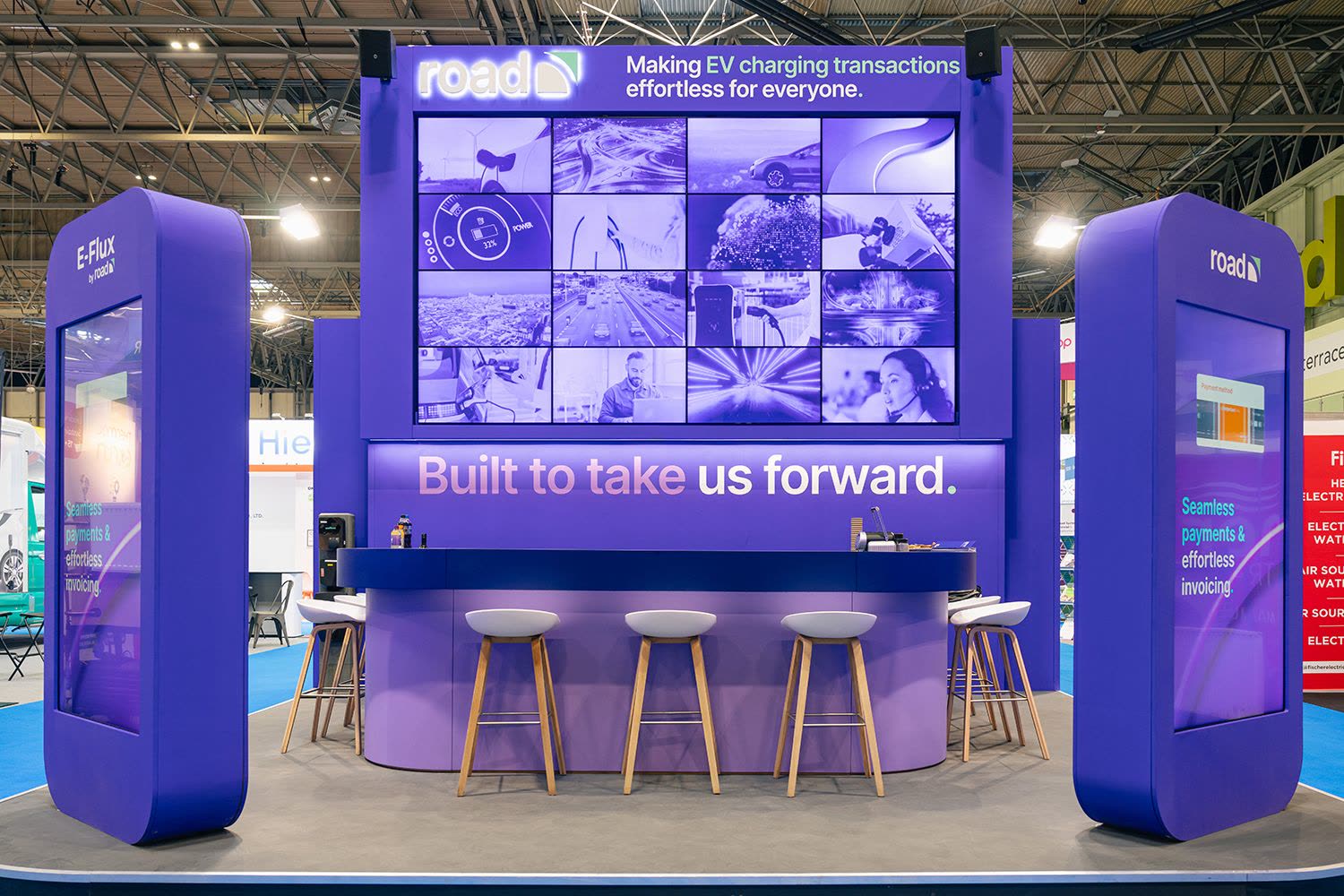
Our Christmas raffle film for Plug In Stations and Ohme is the plainest example I've got. The goal was entries from people who genuinely needed a charger, rather than a pile of likes from people who wanted something free. So the film was cut for paid social and run as a Facebook ad, with a golden ticket download that gave people a reason to finish the form. It brought in a thousand entries, and two paid installs on top of the two winners.
 PIS x Ohme Christmas raffle
Does the goal change what you actually film?
All the time. A few of ours show how much.
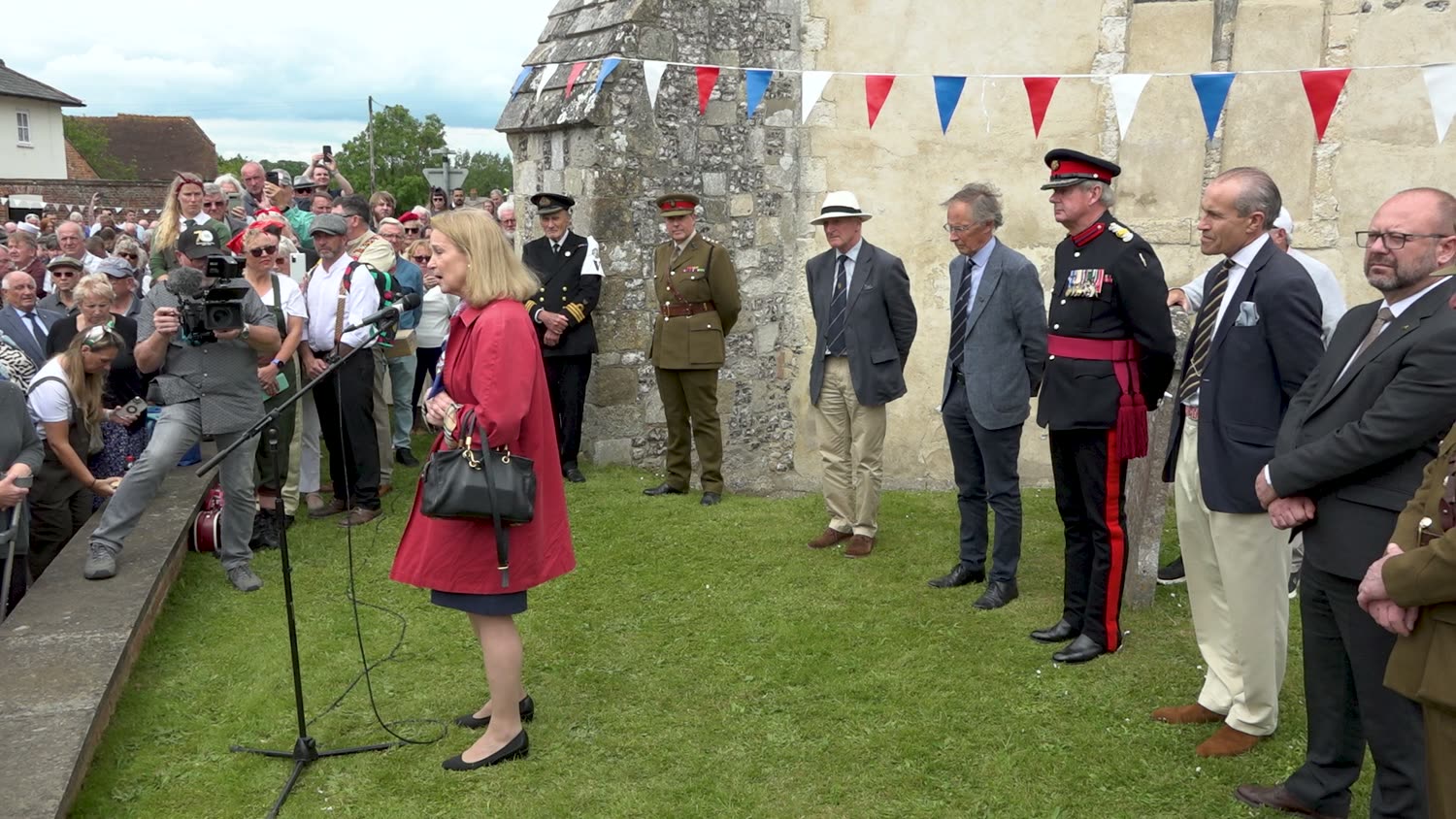
- Selling the next event. At Fully Charged, the South show produced the material that promoted the North one. The real deadline was the start of ticket sales, so the turnaround mattered as much as the footage.
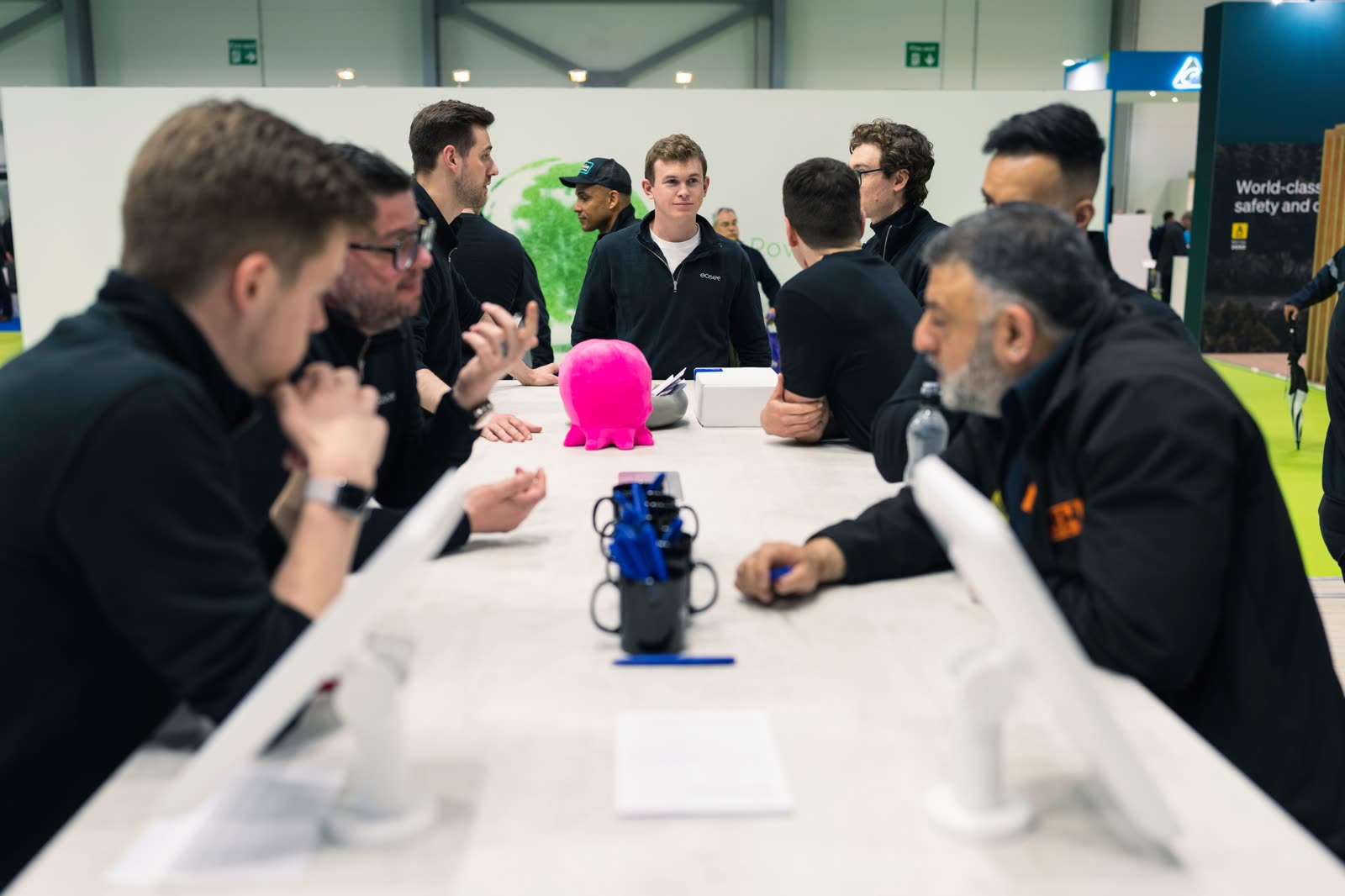
- Earning trust before a quote. The Barry Road film is the homeowner's account of a full renovation, made for the builder to send to someone deciding whether to trust them with a house. That's why the builder barely appears.
- Getting shared by one account. On Musk City the brief was shareability rather than reach. One retweet from the right account could have more than tripled the return, so everything was built and bought around that single outcome.
Three goals, three very different films. If we'd shot all of them to a brief of "make us look good", none of them would have done what it needed to.
Does performance thinking make films worse?
It can, if it's done clumsily. Take a good story, cram in a logo every eight seconds, add a voiceover listing features and finish on a hard sell, and people feel it and leave. Done well, most performance thinking happens in the decisions before and after the film, and the story itself is left alone.
One of the best known examples of the two working together is Volvo Trucks' The Epic Split from 2013. Jean-Claude Van Damme does the splits between two reversing lorries. It's a ridiculous, memorable piece of creative, and the whole thing exists to prove one product claim, how precise Volvo's Dynamic Steering is. The idea and the sales point are the same thing, which is why people still remember both.
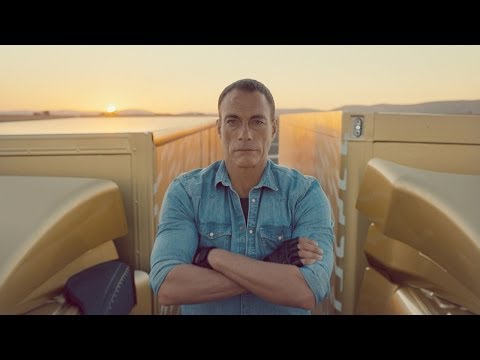 Volvo Trucks, The Epic Split
You don't need Van Damme for that principle to work. In the showroom install we filmed in Poole, the installer runs a live RCD test on camera to prove a safety feature instead of just claiming it. For an audience of electricians, that test is the most persuasive minute in the film, and it's also the most watchable.
Creative is still the biggest driver, but where, when and to whom a film is shown now matters far more than it did, so plan the distribution alongside the story.
What should you measure once the film is out?
Measure the thing you wrote in that one sentence. Views tell you it was seen. They don't tell you whether it worked. If the goal was hiring, count applications and ask candidates whether they watched it. If it was sales, ask your team whether they're sending it before calls and whether those calls got easier. If it ran as an ad, look at the cost per enquiry rather than the cost per view.
Some of that is soft, and you'll have to ask people. That's fine. A film that's earning its keep usually shows up in what your team tells you as much as in a dashboard.
Where should you start?
Before you ask anyone for a quote, write down the goal and the budget. Then the first conversation with a production company starts in the right place, and you'll be able to judge whatever they propose. There's more on that in how to write a video brief, and our free guide Before the camera comes out walks through the planning in full. If you'd rather talk it through, tell us what the film needs to do. If we don't think a film is the right tool for that goal, I'll say so.