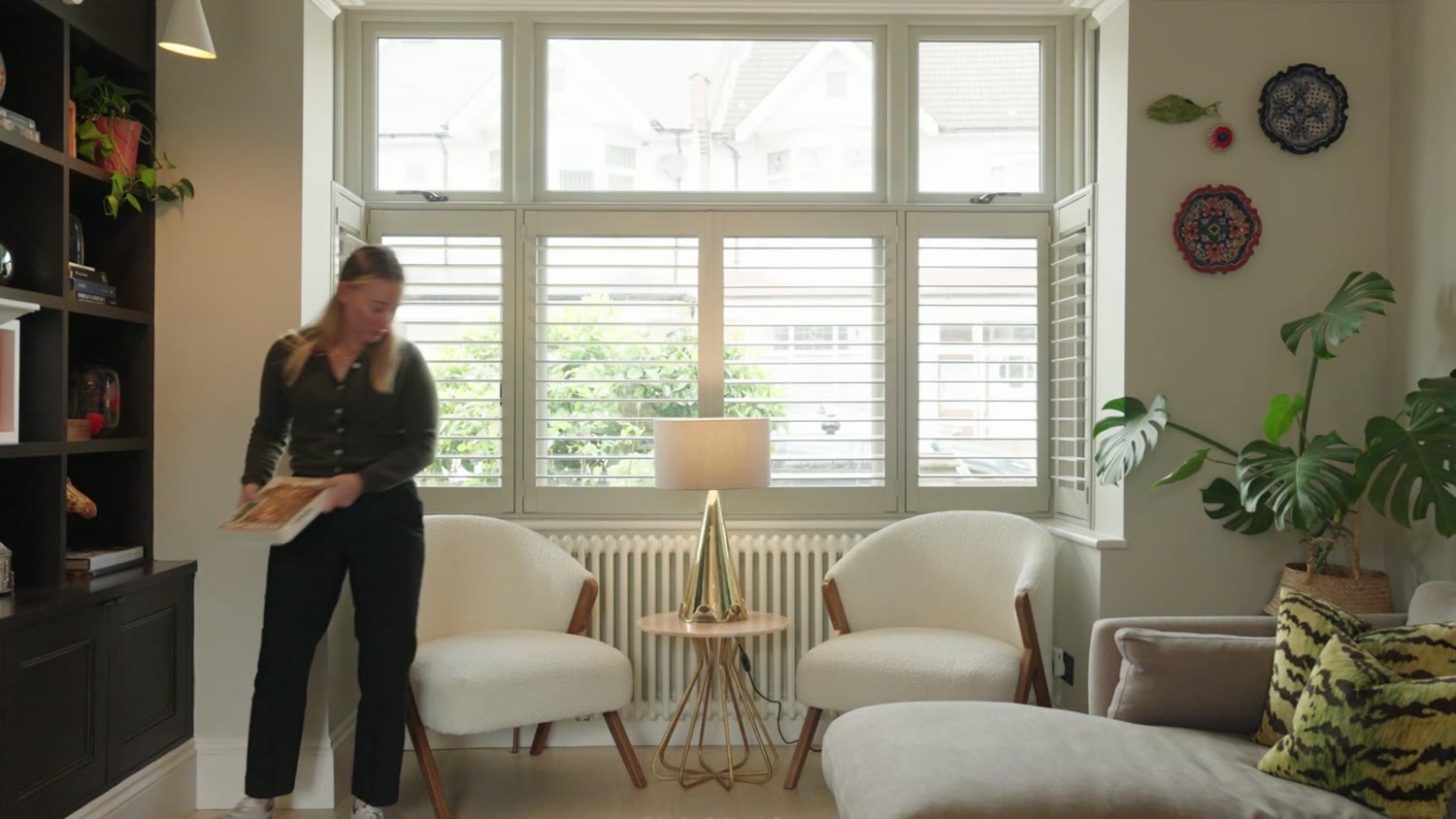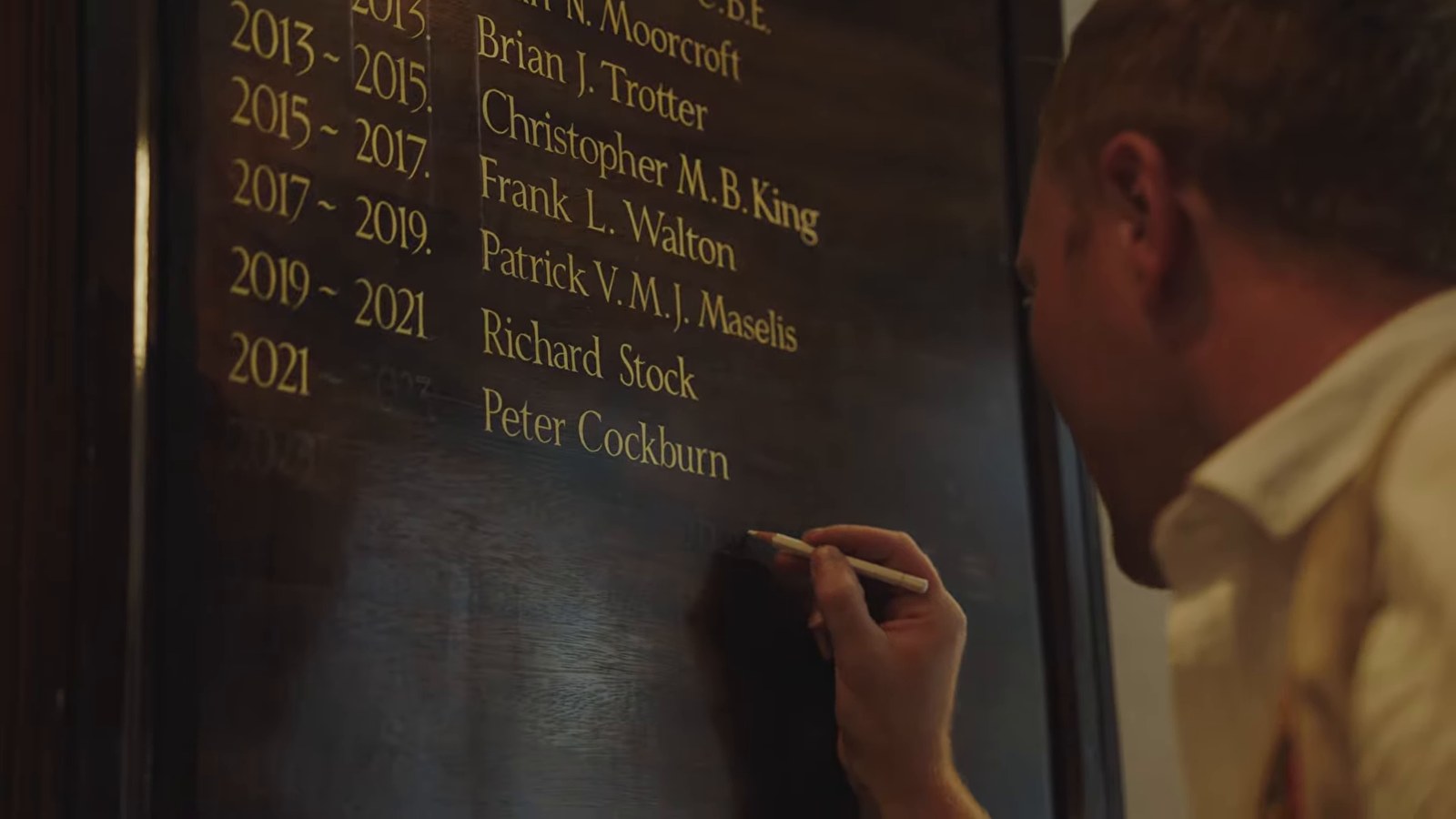
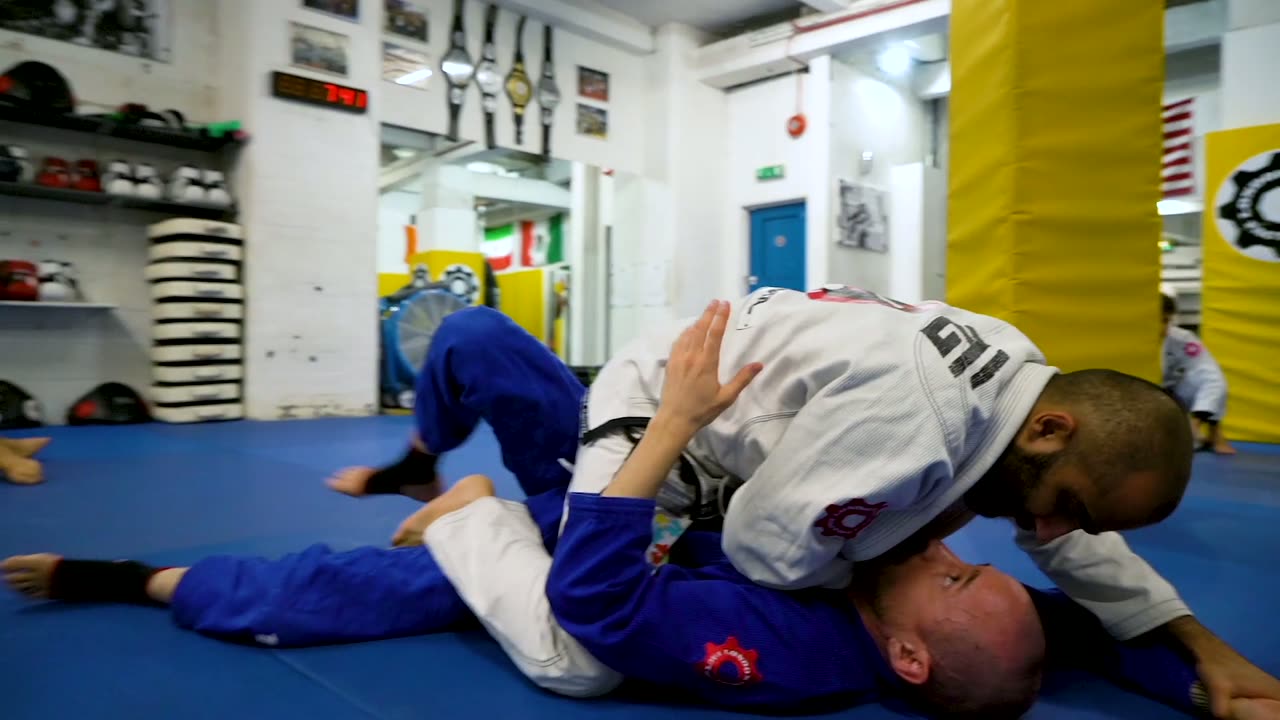
A main brand film usually works best somewhere between four and ten minutes, which is long enough to tell a real story and short enough to hold a viewer who chose to press play. Alongside it you want a sixty to ninety second version for the top of your website, and a handful of short vertical cuts for the feed. The honest answer to how long a film should be is as long as the story holds, and not a second more.
Length gets argued about more than almost anything else in a film. Usually someone wants it shorter because they've heard nobody watches long videos, and someone else wants every customer, every service and every award in it. Both are reasonable instincts. Neither is a good way to decide.
How long should the main brand film be?
Ours usually run four to ten minutes. That's the range where a documentary-style film has room for the bits that make it work: a person explaining something in their own words, a pause before an answer, the work happening at the speed it really happens.
Where in that range it lands depends on the story. One founder and one clear arc might be done in four minutes. La Fromagerie carries four people's accounts of thirty three years of a business, and that needs more room. The film for Super Efficient is an eight minute film of one drainage job, because a homeowner or facilities manager weighing up who to call wants to see the whole thing done properly.
Who's watching matters as much as the story. Someone deciding whether to trust you with a house, a commercial contract or a large invoice will give you ten minutes, because the decision is worth it to them. Someone scrolling on a train won't, and shouldn't be asked to.
A long film that holds attention beats a short one that doesn't. Length is only a problem when the film runs out of things to say.
Why make shorter cut-downs as well?
Because most places a film ends up won't give you ten minutes. The homepage, a LinkedIn post, an email to a cold prospect, a screen on an exhibition stand. Each of those needs a version built for it, rather than the long one trimmed until it fits.
That's why one shoot should give you a set of films. With ours, that's the main film, a sixty to ninety second cut and six to ten vertical pieces. The char.gy B Corp film went further: a long form film, a sixty second cut and a thirty second cut, each delivered in 16:9, 9:16 and 1:1, plus audio described versions, which came to eleven finished exports from one shoot.
 Car Planet x Plug In Stations
The Car Planet customer story shows how different those cuts can be. The YouTube film is the customer talking. One vertical edit follows the install start to finish. The other is ten seconds of the charger on the wall, with no people and no site, which is the cut that can run anywhere.
What are the platform limits on video length?
They change often, so check each platform's help pages before you plan around one. At the time of writing, YouTube says its Shorts can be up to three minutes long, and LinkedIn's help centre lists a maximum of fifteen minutes for video posts. Instagram and TikTok have both stretched their limits in recent years too.
Treat those as ceilings. Just because a platform will take a ten minute upload doesn't mean the people scrolling it want one. Vertical cuts tend to work when they do one thing: one moment, one point, one bit of the process. If you need to turn a 16:9 edit into a vertical or square one, our free video resizer does the basic job in the browser.
Does a shorter video always perform better?
For a first impression, short usually wins. In Wyzowl's 2026 survey, 63% of people said a short video was how they'd most like to learn about a product or service, well ahead of articles, infographics, sales calls and webinars.
 What Is a Brand Film? A Simple Definition, s4digital
But short isn't the only job. The char.gy long form film became the most viewed video on their YouTube channel. A longer film earns its place further down the line, when someone's already interested and wants to know whether they believe you. The short cut gets them curious. The long one helps them decide.
Short video is how most people want to be introduced to a business, so every brand film needs a short cut alongside the full version.
How do you know if a film is too long?
Watch it as a stranger would. If there's a section you'd skip, cut it. If two people say the same thing, keep the one who says it better. Forget the number of minutes and ask whether every part earns the next one.
That's why we show you a rough cut, while changing it is still cheap. It's the point where length is easiest to get right. Once a film's live, YouTube's audience retention data in Studio will show where viewers drop off, which is worth checking on any longer piece to see whether viewers drift off gradually or leave at one particular moment.
Should you decide the length before the shoot?
Roughly, yes. You don't need an exact running time, but you do need to know which versions you want and where each one will live. That decides what gets filmed. A vertical cut needs shots framed with a vertical crop in mind. A thirty second version needs a line that works on its own. If nobody thinks about that until the edit, the short cuts end up being whatever happened to fit.
It shapes the interviews too. If we know there's a thirty second cut to make, we'll make sure someone sums the story up in a sentence or two, in their own words, instead of hoping a usable line turns up by accident.
The planning side of all this is covered in our free playbook, Before the camera comes out. And if you're weighing up what a film and its cuts would cost, the film budget calculator is a decent place to start before you talk to us.