Digital storytelling in marketing is telling your brand's story through online channels and formats, such as your website, video, social media, email, search and podcasts, and shaping it to suit how people use each one. The story stays the same. What changes is the length, the first few seconds, how it's found and where it leads next.
This post is about the digital part specifically: how online behaviour changes the way a story has to be told, which channels do what, how to make a story findable and accessible, and how to use the feedback that digital gives you. It sits alongside visual storytelling in marketing, which is about the picture craft, and storytelling in social media marketing, which goes deep on social.
What does digital storytelling mean?
There are two meanings, and it's worth separating them. The older one comes from community and education work, where "digital storytelling" means a person making a short personal film from photos, voice and music. It's a lovely discipline, started in California in the 1990s, but it isn't what marketers mean.
In marketing it simply means story-led communication that lives online. A founder film on a homepage. A five part series on Instagram. A customer story in an email. An interactive article that unfolds as you scroll. The common feature is that the audience is in control. They can leave, skip, scroll, search or share at any moment, and they usually do.
How is digital storytelling different from traditional storytelling?
Four things change when the story goes online.
The audience can leave at any second
In a cinema nobody walks out in the first ten seconds. Online they do, constantly. So the opening of a digital story has to earn the next ten seconds, which is why we think hard about the first frame and the first sentence of every film we cut.
The story is rarely seen in one go
Someone might see a clip on Tuesday, a post on Friday and your homepage the week after. Digital stories work like a series of encounters. Each piece needs to make sense alone and also add to the picture.
It needs to be found
A TV advert arrives. A digital story often has to be searched for. That brings in titles, descriptions, transcripts and links, the unglamorous work that decides whether a good film is watched by hundreds or by nobody.
It gives you data
You can see where people stopped watching, which clip got shared and which email was opened. That feedback loop is the great advantage of digital, and the thing most businesses don't use.
Which digital channels carry which kind of story?
Each channel has a job. Matching the story to the job is more useful than being everywhere.
- Website. Your home base and the place people check you out before enquiring. It should hold your fullest story: an about page that's honest about how you began, case studies, and at least one proper film. A page built around real people is easier to believe than one built around claims.
- YouTube. A search engine as much as a video site. Stories that answer a question or show a process can be found for years after they're published.
- Instagram, TikTok, Facebook and LinkedIn. Where strangers meet you. Short clips, carousels and stills. The story has to work in a moment and nudge people towards the longer version.
- Email. A direct line to people who've already shown interest. A story gives you something worth sending that isn't a sales push.
- Podcasts and audio. Good for founders and experts who talk well. Slow-burning trust.
- Interactive and long-form web pieces. The New York Times's Snow Fall in 2012 became the reference point: a long article with video, graphics and moving images that responded as you scrolled. Few businesses need that scale, but a simple version, like a case study page that reveals a project in stages, borrows the idea.
We've seen what a connected set looks like with Plug In Stations, where a regular schedule of installation days, product videos and company events keeps a YouTube channel fed, each piece feeding the same wider story of an installer that knows its stuff. It's a good illustration that digital storytelling is often less about one big film and more about a steady stream built on a clear idea.
On the internet the story doesn't end when the film does. It ends when the viewer has somewhere to go next.
Fewer people post, but video watching on social is nearly universal among the young, so a story needs to work on the screen.
Source: Ofcom, Adults' Media Use and Attitudes 2026 (7,533 UK adults)
How do you make the story work for the way people actually watch?
Hook early, but honestly
Open with the most interesting true thing you have, not a logo sting. That might be a line from the interview, a striking detail or the problem itself. Then deliver on it. A hook that promises something the film doesn't give just trains people to leave sooner next time.
Plan for sound off
A large share of social viewing happens muted, in queues, on trains, in meetings. Captions are essential, and subtitled versions help more people than you'd expect. Accessibility matters here too, not just for deaf and hard of hearing viewers but for anyone watching somewhere noisy. For one client we also delivered an audio described version of a film, so that blind and partially sighted viewers could follow it.
Frame for the screen
A film that works on a laptop can feel tiny on a phone, and vertical video needs different framing from landscape. If we know where something will be shown, we frame for it on the day rather than trying to crop it afterwards.
Cut it for each place
One interview can be a three minute website film, a ninety second YouTube cut, a thirty second teaser and three vertical clips. That's the principle behind turning one brand film into a year of content, and it's how a small team keeps a presence going without constantly inventing new stories.
How do you make a digital story easy to find?
Most businesses skip this step, and it costs them. A few basics make a large difference.
- Write the title for a person and for search. Include the words someone would type, such as "bespoke shoemaking London", rather than a clever name nobody's looking for.
- Add a transcript or written summary on the page, so search engines and people who prefer reading can follow the story.
- Use a good thumbnail, a real face in good light, rather than a logo on a plain background.
- Link between pieces. The short clip points to the long film, which points to the case study, which points to a way of contacting you.
- Put the film where decisions are made, not just on a video page. Our guidance on this is in where to use your brand film.
What does a real example look like?
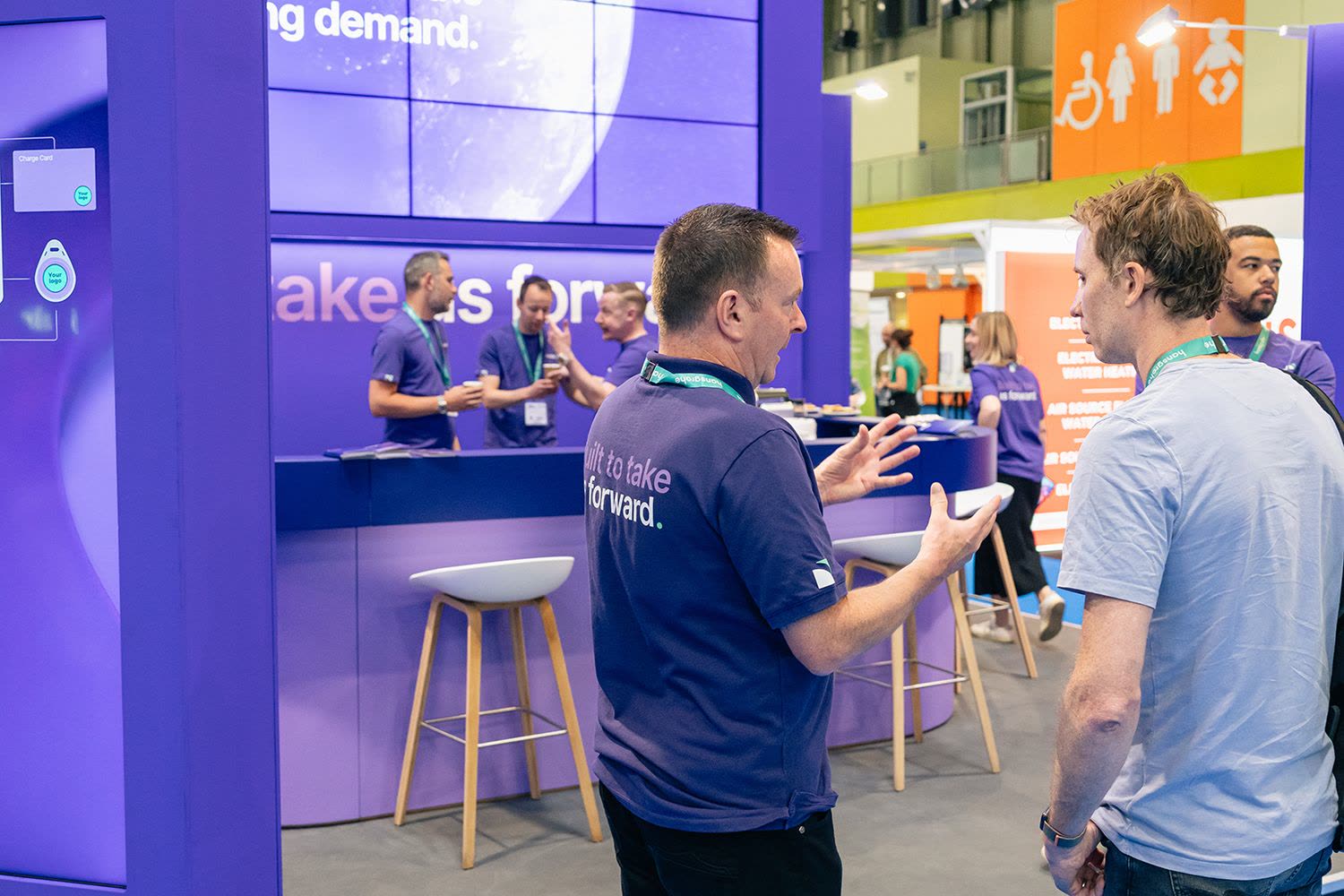
Our film for char.gy explaining their B Corp certification is a good illustration of digital thinking. It's an interview-led film that explains something complicated in plain language. It was cut eleven ways for different places, and delivered with an audio described version, and it became the most watched thing on their channel. The story was true and useful, the formats fit the channels, and the accessibility was built in. You can see the details in the char.gy B Corp case study.
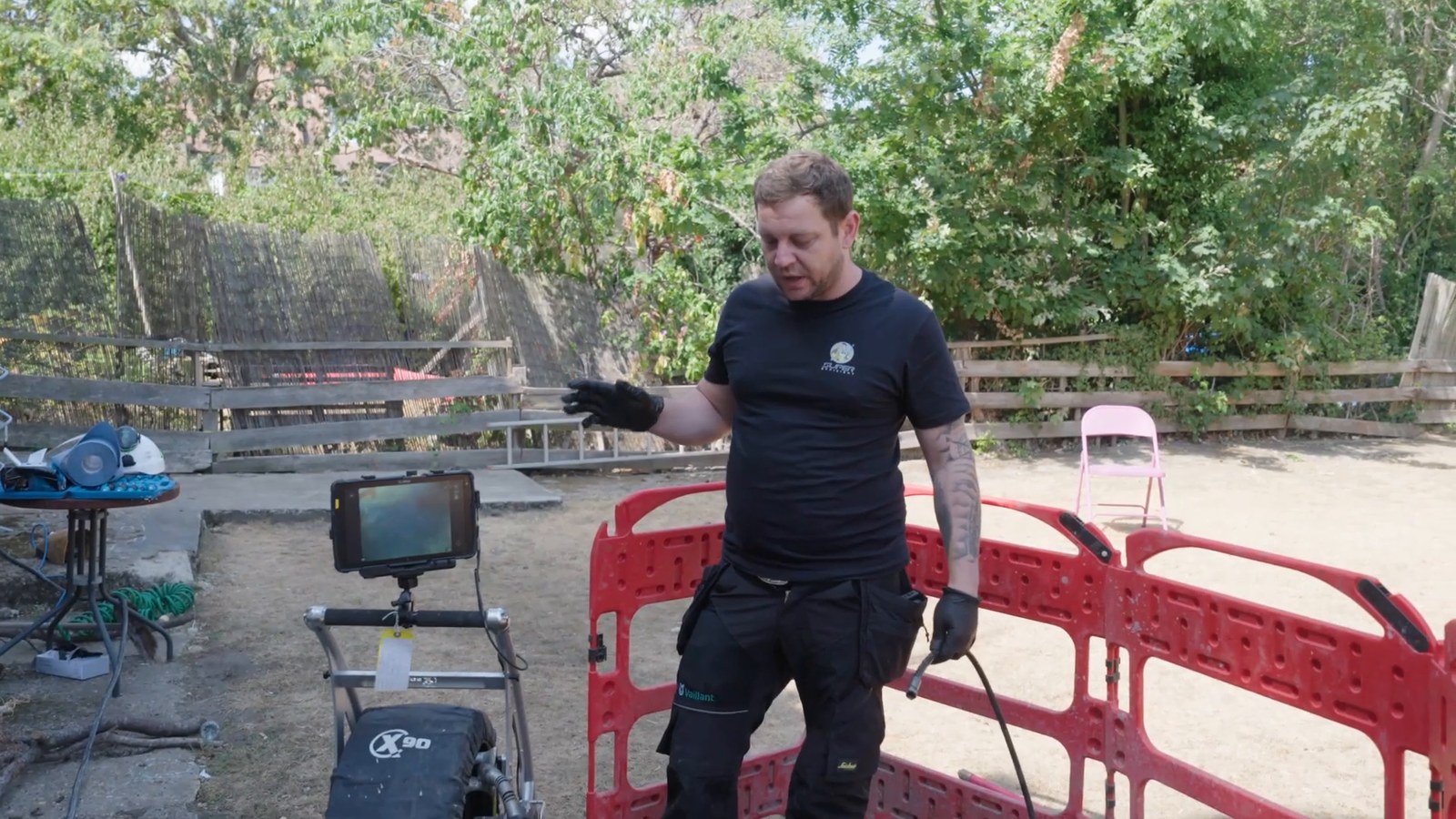
Another is the single day we spent filming one drainage job for Super Efficient. It became a longform YouTube film, a run of vertical shorts and two carousels. Each piece suits its place, but the story is the same: real people doing a real job well. The full story is in the Super Efficient case study.
How do you use the data without letting it take over?
Digital gives you a lot of numbers, and the temptation is to chase them. A clip that gets a high number of views isn't necessarily the one that brings you good customers. Treat the data as a set of clues.
- If many people stop watching at the same point, that part probably drags. Cut it next time.
- If a clip about one theme gets shared much more than others, you've found what people care about.
- If people watch to the end but don't click anywhere, the route onward isn't clear.
- If enquiries mention a particular film, make more like it.
Use these to refine the story, not to replace it. A story that chases whatever got the most likes last week ends up with no shape. For how to judge overall results, see how effective storytelling is in marketing.
How do you start if you've got a small team and no time?
Start with one story and one place to put it. Pick the story that answers your buyers' biggest doubt, film it properly once, and put the long version on your website with a clear way of getting in touch. Then cut two or three short clips for the social channel where your customers already spend time, and send the film to the next few people who ask for a quote.
That's a complete digital story with a beginning, a middle and a route onward, and it doesn't need a content team. Once it's working, add the next story rather than adding more channels. A small, consistent presence that people can trust beats a sprawling one that nobody has time to keep up.
It's also worth keeping the tone consistent across places. The way you'd talk to someone in the workshop should be the way the film sounds, the way the caption reads and the way the email opens. When the voice shifts between channels, the story starts to feel like several different companies.
What mistakes should you avoid?
Treating every channel the same
Posting the same landscape film everywhere makes it feel wrong almost everywhere. Native cuts for each place take a little longer and perform better.
Starting a series you can't sustain
A weekly show is a promise. If you can't keep it, make something smaller and finish it. Consistency beats ambition on the internet.
Hiding the story behind a form
Gating your best film behind an email address means almost nobody sees it. Put the story where people can reach it, and ask for contact details further down the line.
Neglecting the basics of the page
A great film on a slow, confusing page loses people before it starts. Speed, clarity and a visible next step still count.
All of this is easier when the story itself is strong. Documentary-style brand films give you that: real people and real work, shot once and used everywhere. The complete guide to brand storytelling shows how the rest fits together, and our films page shows the finished thing. If you'd like to talk about how a story could work online for your business, get in touch.