To use storytelling in marketing, pick one real story from inside your business, tell it through a person rather than a product, and then put it in front of customers at the point where they're deciding. The story is the raw material. The marketing is where it goes, in what shape, and what you ask people to do next.
This post is the practical one. I'm not defining storytelling or explaining the psychology, because that's covered in what brand storytelling is in marketing and why storytelling works. Here it's about the working method: where to find your stories, which channel gets which story, how to repurpose, and how to tell whether it's doing anything.
Where do you find stories worth telling in your business?
Most businesses say they have no stories, and then you sit in a room with the owner for forty minutes and there are six. The trouble is that people hear the word "story" and think of a big narrative with a villain and a happy ending. In practice the material is smaller and much more ordinary, and it's already sitting in your business.
These are the places I look first when I'm working with a new client:
- The founding moment. Why did this business start, and what was the person doing the day before? The answer is rarely "we spotted a gap in the market". It's usually a frustration, a job loss, a hobby that got out of hand or a customer who asked for something nobody sold.
- A customer's before and after. Not a testimonial line, but what their life or work was like before, what changed, and what's different now.
- The work itself. What actually happens between an order arriving and a product leaving. People are fascinated by process when it's shown properly.
- The people who do it. A longstanding member of staff, a trainee, the person who fixes things when they go wrong.
- A decision you made that cost you something. Choosing a better supplier, turning down a job, or doing something the slow way for a good reason.
The test I use is simple. Could a competitor tell this story with their name on it? If yes, it's too generic. If the story only works because it happened to your people in your workshop, it's usable.
Which story should you tell first?
Start with the story that answers the biggest doubt your buyers have. Every business has one. A solicitor's prospective client wonders whether they'll be treated like a case number. A homeowner hiring a builder worries about whether the job will drag on. A buyer of handmade goods wonders whether the price is justified.
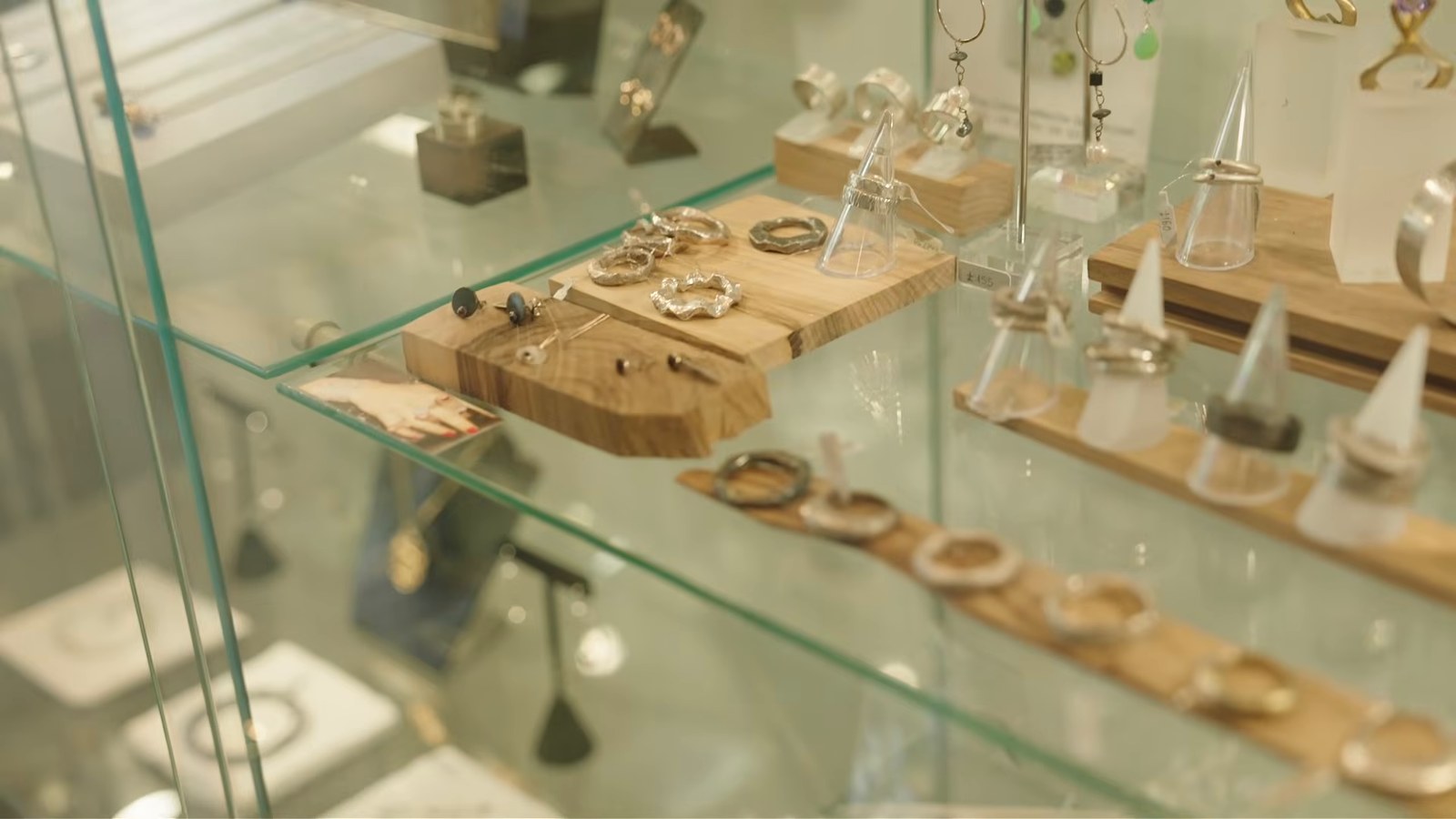
Work out that doubt by listening to your own sales calls and reading your own reviews, then find the story that deals with it without ever mentioning it. A shoemaker who spends six months on one pair doesn't need a line saying "we're worth the money". The process, shown honestly, does it. That's the approach in our film Carréducker, which follows two makers through the work rather than listing their credentials.
A good story answers the objection without ever naming it.
How do you match a story to the stage someone is at?
This is where most marketing storytelling goes wrong. A business makes one big story, puts it on the homepage and expects it to do everything. A person who's never heard of you needs something different from a person who's got a quote from you and from two other firms.
People who don't know you yet
They need a reason to stop scrolling and a human they can connect with. This is where short, personal stories do best: a maker's hands, a founder explaining why they started, a surprising detail about the work. Keep these light on branding. The aim is for someone to remember a person and a place, not a logo.
People who are comparing you
They want proof and reassurance. A customer story fits here, and so does a longer film that shows how you work. They're already interested, so they'll give you three or four minutes if it's useful. This is the stage where a documentary-style film earns its keep, because it shows how you behave when nobody's selling.
People who are about to buy
They want the final doubt removed. A short clip of a real customer, a walk through what happens after they say yes, a quick answer to the question they're about to email you. It's a smaller story than the earlier ones, but it's the one that gets the enquiry over the line.
People who've already bought
Stories matter after the sale too. Showing new customers what to expect, introducing the team who'll look after them or celebrating their results turns a one-off job into something they talk about. We cover this side in more detail in customer onboarding and customer service videos.
People believe ordinary people far more than they believe anyone selling, so the best marketing stories are told by customers and staff, not by the brand.
Which channels suit storytelling best?
All of them, with a different shape of the same story for each. Don't think of it as picking a platform. Think of it as one story, cut different ways.
- Your website. The place for the long version. An about page that tells the real founding story, a work page with proper case studies, and a film people can press play on and stay with.
- YouTube. Longer films that people find by searching. A search for "how is bespoke jewellery made" is a story waiting for an answer.
- Instagram, TikTok and LinkedIn. Short, vertical cuts and carousels that give a single moment from the story, aimed at people who haven't met you. I go into how this works in storytelling in social media marketing.
- Email. A story is a good reason to write to your list that isn't a discount. One customer, one problem, one link.
- Sales conversations and tenders. The most underused place of all. A two minute film sent after a first call does more than a PDF of credentials.
- Press and PR. Journalists want a human angle. A story you've already got on film is much easier to pitch.
It helps to be honest about what each place is for. Social media earns attention. Your website earns trust. Email earns repeat business. A film on its own page can do all three if you plan it that way.
How do you turn one story into lots of content?
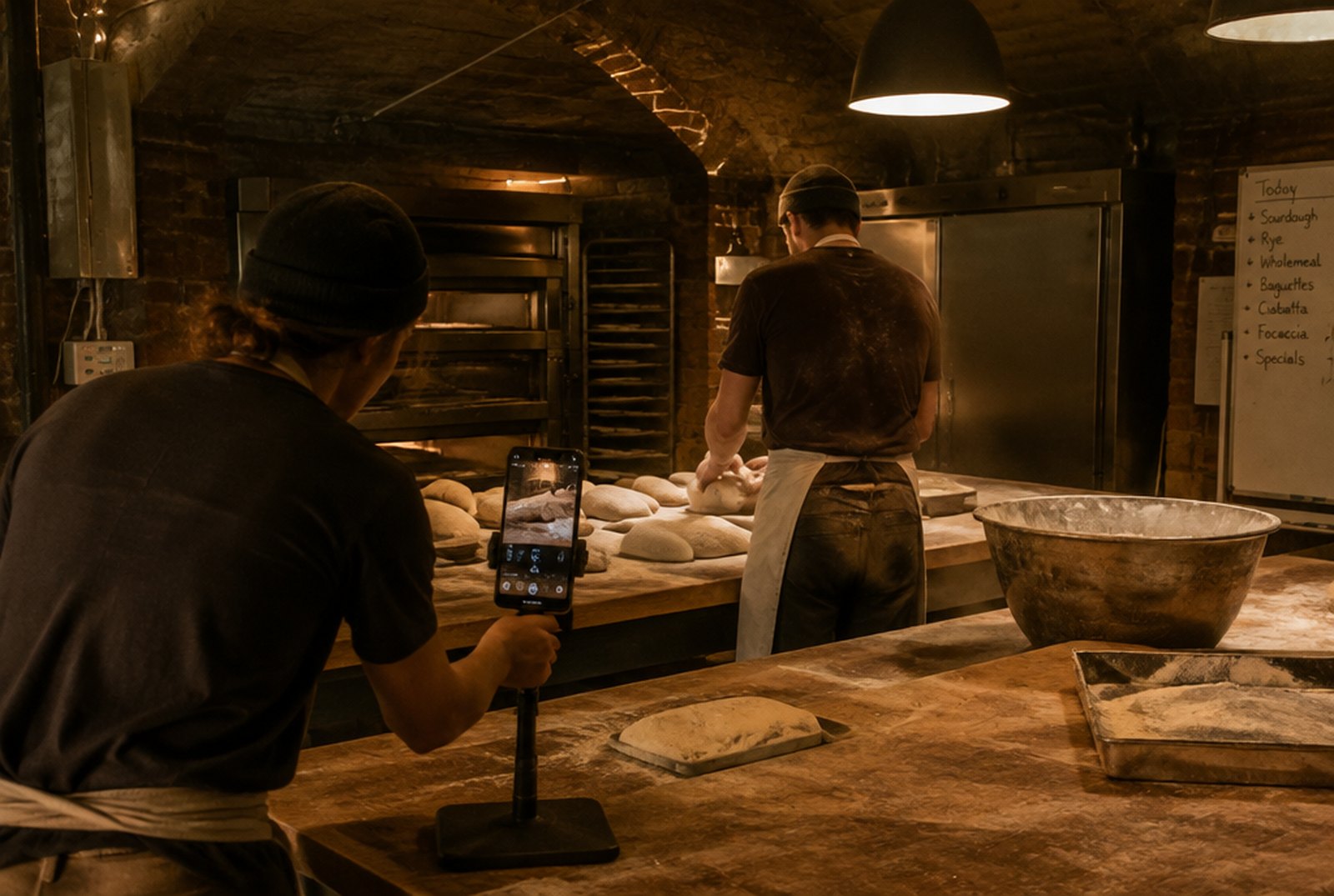
Film the story once, properly, and plan the cut-downs before you shoot. That's the single biggest saving in storytelling, in money and in time, and it's the way we work. On a single shoot day we'll often capture a long interview, the work itself in detail and plenty of small moments, then edit the same material into a main film, short vertical clips, stills and a few quotes for carousels.
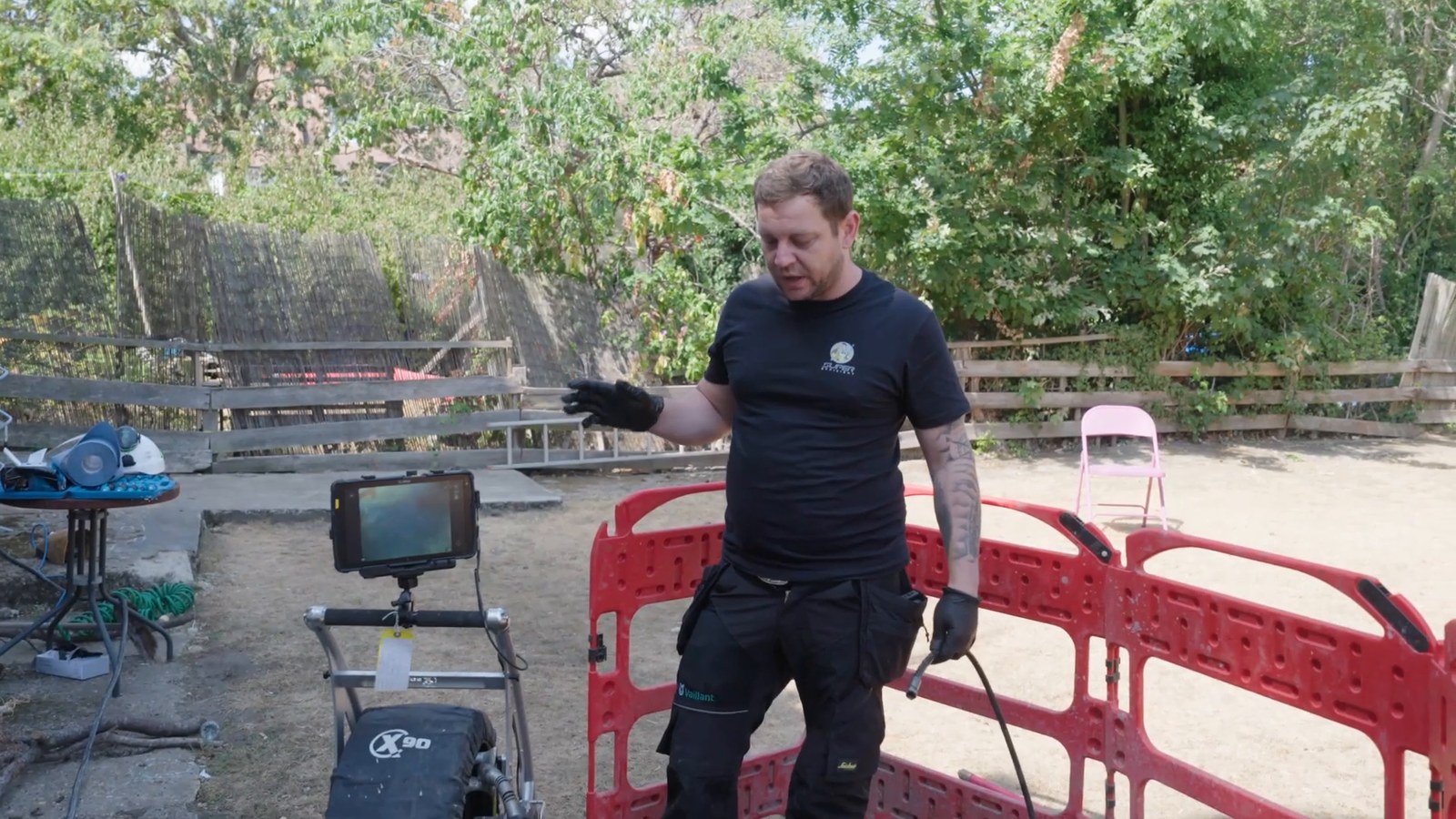
Our drainage client is a good example. One day on one job became a longform YouTube film, a run of vertical shorts and two carousels, all from the same people telling the same story. You can read how that came together in the Super Efficient case study, and the thinking behind it in how to turn one brand film into a year of content.
The thing to avoid is the opposite approach, where you make a dozen unrelated bits of content that each say something different. Audiences remember a consistent story. They don't remember a scatter of tips.
How do you tell the story if you're not comfortable on camera?
You don't have to be the star. Plenty of owners are better off letting a customer, a long-serving employee or a maker speak, because the audience believes people who are talking about the work rather than the business. If you do have to appear, the best thing you can do is stop performing. People forgive a stumble much faster than they forgive a script.
It helps to prepare in advance. Know the three things you want to say, not a speech. Our guides to preparing for a brand film interview and speaking on camera are written for people who'd rather be doing anything else.
What should the call to action be?
Smaller than you think. After a story, people aren't ready to hand over money. Ask them to do the next small thing: watch the longer film, read the case study, look at the work, or get in touch if they've got a similar project. A story that finishes by shouting an offer feels like a trick, and the trust you've just built leaks away.
It also helps to be consistent about where the story leads. If a short clip on social goes to a longer film on your website, and the film leads to a clear way of getting in touch, you've built a route. Without the route, even a great story just ends.
How do you know if storytelling is working?
Don't expect a straight line from a film to a sale, because that isn't how people buy. What you can measure is whether the right things are moving. Look at:
- Watch time and completion, which tell you whether the story held people.
- Enquiry quality, meaning whether people arrive already knowing what you do and who you do it for.
- Sales conversations, and how often someone mentions having seen a film or a post.
- Win rate on quotes, especially against competitors where price was similar.
- Branded searches, as more people look for your name specifically.
The honest answer is that storytelling is a slow build. The evidence on how well it performs is covered separately in how effective storytelling is in marketing. What I can say from shoot days is that the clients who treat a film as something to use across the year, rather than something to launch once, are the ones who get the most from it.
What mistakes do businesses make when they start?
Telling the company story instead of the customer story
"We were founded in 1998" is a fact, not a story. Start with the person in front of you and what they need, then bring your history in where it helps.
Making it about the product
A specification list isn't a story, however nicely it's filmed. If the product is the hero, the film becomes an advert. If a person using or making it is the hero, it becomes something people watch.
Polishing out the honest bits
The hard day, the thing that went wrong, the compromise. Those are the parts people believe. A film made entirely of triumph feels like a brochure.
Giving up after one post
One story won't change how your market sees you. A handful of well chosen ones, told consistently over a few months, will start to.
Done well, this is what documentary-style brand films are for: real people, real work, shot in a way that gives you a story you can use in a dozen places. If you want to see how the pieces fit into a wider plan, the complete guide to brand storytelling pulls the whole subject together, and our films page shows what a finished project looks like.
If you've got a story in your business and you're not sure how to use it, get in touch and we'll talk it through.