When businesses talk to us about video, the same handful of things come up again and again, whatever the sector. The work's excellent but there isn't one real face on the website. The content they've got turns out to be stock. The person keen on a film isn't the person who signs it off. The moment that would have made the story has already gone. And nobody wants to be on camera. Every one of these is fixable, usually without spending more.
I'm keeping this general and anonymised. These are patterns, and if you recognise your own business in one, you're in very good company.
Why does great work end up with no faces on the website?
Because the people doing the best work are usually too busy doing it to think about how it looks. You get a site with brilliant project photos, a logo, a phone number and nobody. Or a team page with a row of grey silhouettes.
The trouble is that buyers choose people. For anything expensive or personal, someone wants to know who's turning up, who they'll be dealing with and whether they seem trustworthy. A business with no faces on its site is asking a stranger to trust it blind, and a competitor with a slightly weaker portfolio and a friendly face on the homepage will often win that one.
The fix is smaller than people expect. Proper photos of the team at work, a short film of the founder explaining why they started, and one or two customers talking about the result. That's often a single day. Our Spotlight shoot exists for exactly this.
What's wrong with "we've already got content"?
Often, nothing. But sometimes, when you look properly, the content is stock footage, AI images and a few phone clips from years ago. Stock fills space, but it can't prove anything about you, because the same handshake and the same smiling team in the same glass office appear on hundreds of other sites. People have learned to scroll straight past it.
The test I use is simple. If you swapped your logo for a competitor's, would the content still make sense? If it would, it's doing no work for you. Footage of your actual people, premises and jobs can only belong to you, and that's why people believe it.
 Super Efficient, the full job
The Super Efficient drainage film shows real content made without much fuss. One day on a live job in Enfield, filmed start to finish with no reshoots, became an eight minute YouTube film, a run of vertical shorts and two carousels. Nothing staged, and nothing that could belong to any other company.
Why do video projects stall when someone else decides?
Because the person who gets in touch is often a marketing lead, an office manager or a founder's right hand, and the decision sits with a director, a board or a partner who wasn't on the call. The enthusiasm doesn't travel up the chain. What reaches the decision maker is a line on a spreadsheet with a number next to it.
It's common enough that Wyzowl's annual survey lists being unable to convince key decision makers as one of the reasons marketers give for not using video at all. If that's where you are, give the person deciding something to react to besides a price: the job the film will do, everything that comes out of one shoot, and an example from a similar business. Our free 56-page guide, Before the camera comes out, was written partly for this. Send it upwards.
Better still, get the person who signs it off into a conversation early. Twenty minutes with them saves weeks of relaying questions back and forth.
What happens when the timing window closes?
Lots of stories have a moment, and once it's gone you can't film it again. A building going up. A project finishing. An anniversary. A team that's about to change. A customer in the first weeks after the work's done, while they're still delighted with it.
We see it with renovation films. On Nimrod Road, the family had already moved back in by the time we filmed, so the before only exists in the original listing photos. It still works, because the couple tell it well and the listing photos are cut against the finished rooms. But it shows how easily the most visual part of a story disappears while a business is still deciding.
So when someone says "let's do it next year", I'd ask what will have changed by then. Sometimes nothing, and waiting's fine. Often the scaffolding's down, the event's over or the people involved have moved on. A film takes six to ten weeks from the first conversation, so if there's a date that matters, count backwards from it.
Most of the reasons businesses hold off on video are about doubt, time and planning, which can usually be talked through before anything is spent.
Source: Wyzowl, Video Marketing Statistics 2026 (survey of 266 respondents, late 2025)
What if nobody wants to be on camera?
Almost nobody does at first. It's the thing we hear most, and it's completely normal. People worry about how they'll look, what they'll say and whether colleagues will take the mickey afterwards.
Almost nobody wants to be on camera at first. It's the thing we hear most, and it's completely normal.
A few things make a real difference. Interviews run as conversations, with nothing to learn. No autocue. Filming people doing the job they're good at, which relaxes them because they're on their own ground. And time. The good material tends to arrive once people stop noticing the camera, which is one reason our films take two to three shoot days rather than an hour.
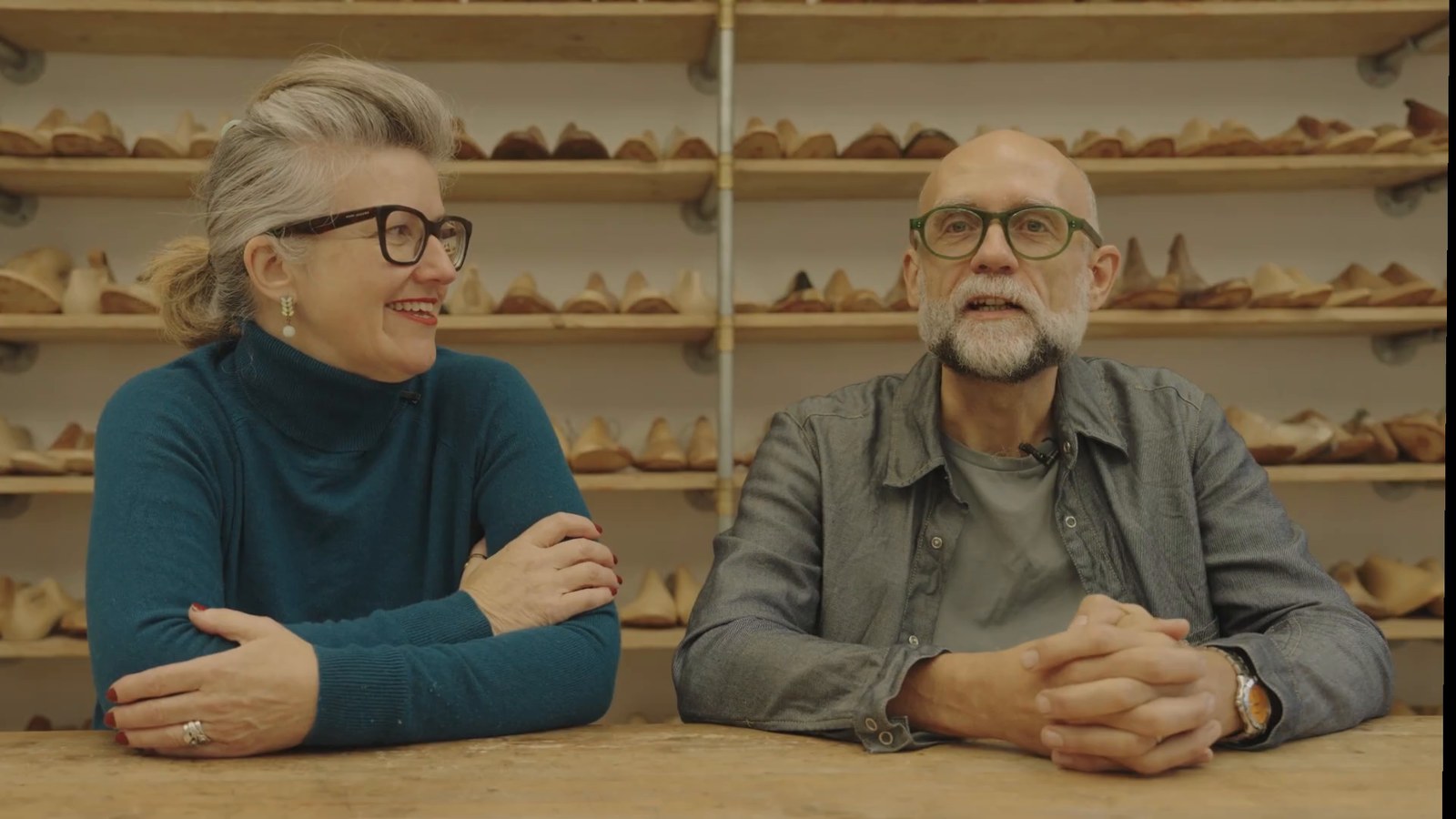
It doesn't have to be the boss, either. Sometimes the best person in the film is the engineer who explains things clearly, a long serving member of the team, or a customer. If you're the one going on camera and you're dreading it, read how to prepare for being filmed. It's less painful than you're expecting.
Is any of this a reason not to make a film?
Not really. Each of these comes down to planning and permission. The businesses that end up with a film they're proud of tend to decide early what it's for, get the decision maker involved, pick their moment and let real people speak. Budget matters, but less than any of that.
If one of these sounds like your business, tell us where you're stuck. If a film isn't the right spend yet, we'll say so.