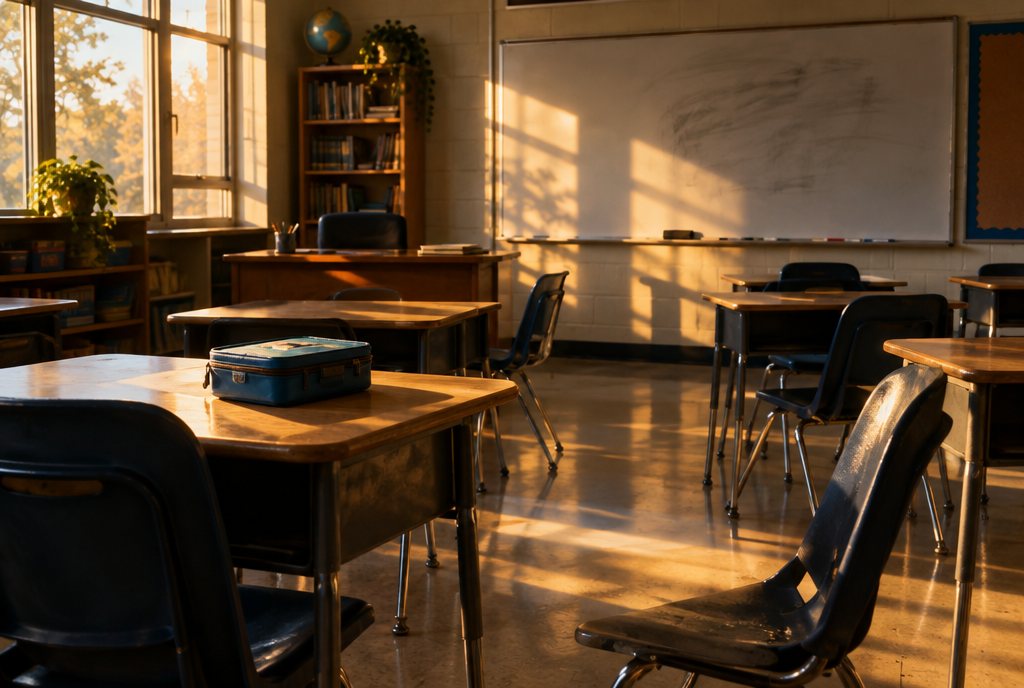
Parents want to see what a normal day at your school feels like: how children are treated, how they treat each other, and whether their own child would be happy there. A good school film shows real lessons, real breaktimes and staff and pupils talking in their own words, filmed within your consent and safeguarding policies. A drone shot of the building and a head teacher reading a mission statement won't tell them any of that.
Below is what parents look for, and how to approach consent and safeguarding when you're filming children. The safeguarding part is general guidance based on common UK practice and isn't legal advice. Your school's own policies and your data protection lead come first.
What do parents actually want to see in a school film?
The feeling of the place, more than the facilities list. When the Youth Sport Trust and #BeeWell commissioned YouGov to ask parents what matters when choosing a secondary school, pupil wellbeing came out ahead of Ofsted ratings and exam results. Parents can look up league tables in thirty seconds. What they can't look up is whether children seem happy in the corridors, and that's exactly what film is good at showing.
In practice that means:
- Ordinary moments. A lesson in full swing, lunch, a club after school, children walking between buildings. The ordinary bits are what a parent pictures their own child doing.
- How staff talk to children. Tone, patience, a teacher crouching to a child's level. Parents notice it straight away.
- Pupils speaking for themselves. Older pupils describing what they like and what took getting used to are far more convincing than any line in the prospectus.
- Pastoral support. Who a child goes to when something's wrong. It's one of the first things anxious parents want to know.
- The head, briefly and honestly. Parents want to know who's in charge and whether they'd trust them. A couple of minutes of a head teacher talking naturally about what they care about beats any scripted welcome.
Open day film or prospectus film: what's the difference?
An open day film is usually short, and its job is to get a family through the door. It runs on your homepage and social channels in the weeks before the open day, and it should leave people wanting to visit. Sixty to ninety seconds is plenty.
A prospectus film is longer and works more like the prospectus itself. Families watch it at home, often together, when they're comparing schools. It can carry more: the pastoral structure, the curriculum, what happens in the sixth form, how the school handles the move up from primary. Ideally both come out of the same filming days, so the cost sits on one shoot rather than two.
Parents can look up league tables in thirty seconds. What they can't look up is whether children seem happy in the corridors.
Parents rate how children feel at a school above its grades, and that's the thing a film can show far better than a league table.
Source: Youth Sport Trust and #BeeWell, YouGov survey of 1,081 parents, April 2025
Should pupils be interviewed on camera?
Older pupils, often yes, if they want to and the right consent is in place. They're the most believable people in any school film. Don't script them. Give them a few open questions in advance, let them talk, and use what's true. A Year 10 pupil saying they were nervous in Year 7 and explaining what helped will do more for a nervous parent than any claim about pastoral care.
Younger children are usually better filmed doing things than being interviewed. It's kinder to them and it looks more natural. For staff who'll be on camera, this is how I'd prepare anyone for being filmed.
How does consent work when filming children at school?
Again, this is general guidance based on common UK practice. Check everything against your own safeguarding and data protection policies, and talk to your data protection officer before you plan a shoot.
Photos and video taken for official school use, such as a prospectus or promotional material, are likely to fall under data protection law. The ICO's guidance on photos in schools says pupils, or a parent or guardian depending on the pupil's age, must be told how the images will be used, and it recommends giving pupils the chance to opt out. It also points out that consent is only one possible lawful basis, so the school should be clear from the start which one it's relying on. Twelve is given as a typical guideline for when a child can exercise their own rights, judged case by case.
Most schools already collect image permissions at admission. Those forms don't always clearly cover a promotional film that'll sit on YouTube for years, so check the wording. If it's vague, ask again for this project specifically. Parents are far more relaxed about filming when they've been told exactly what it's for.
What safeguarding steps should a school film follow?
The NSPCC's guidance on photographing and filming children is a sensible starting point for any organisation. In general practice, a school shoot should include:
- A no-film list, checked on the day. Some children mustn't be identifiable, such as those in local authority care, adopted children, or children whose safety depends on not being found. A named member of staff should be with the crew and know who they are.
- No names with images. Don't caption pupils with their names, and watch what's visible on exercise books, lanyards and wall displays.
- Staff with the crew throughout. Nobody filming should be left alone with pupils.
- Secure handling of footage. Agree where rushes are stored, who can access them and when unused footage is deleted.
- A second look at locations. Check whether a shot gives away more than you intend, like a recognisable route home or the outside of a pupil's house.
None of this makes filming hard. It just needs planning, and a crew who'll raise it with you before you have to raise it with them.
When should a school plan its film?
Earlier than you'd think. Secondary open days mostly fall in the early autumn, and a film needs to be live a few weeks before the first one to do any work. Our films take six to ten weeks from the first conversation, and you want to film on normal teaching days rather than in the last week of term, when everything's a bit off. In practice that usually means filming in the summer term for the following autumn.
Think about the seasons too. A school in July and a school in November look like different places, and a film that's all sunshine can feel a little off to a family who visits in the rain. If you want to see what that planning looks like before you speak to anyone, our free guide Before the camera comes out walks through it. When you're ready, get in touch.