You win on social media by doing one or two platforms properly, showing up every week for a year, and posting real people telling real stories in a format you repeat. Then you measure what gets sent and what brings enquiries, not what gets liked. None of that's clever. Most businesses skip it because it's slow.
This is my opinion after years of filming for businesses and running social for a few of them, so it's not a formula. I'll go through the nine things I'd tell any owner who asked me over a coffee, where the evidence backs me and where it's just what I've seen, and I'll point you to the posts that go deeper on each.
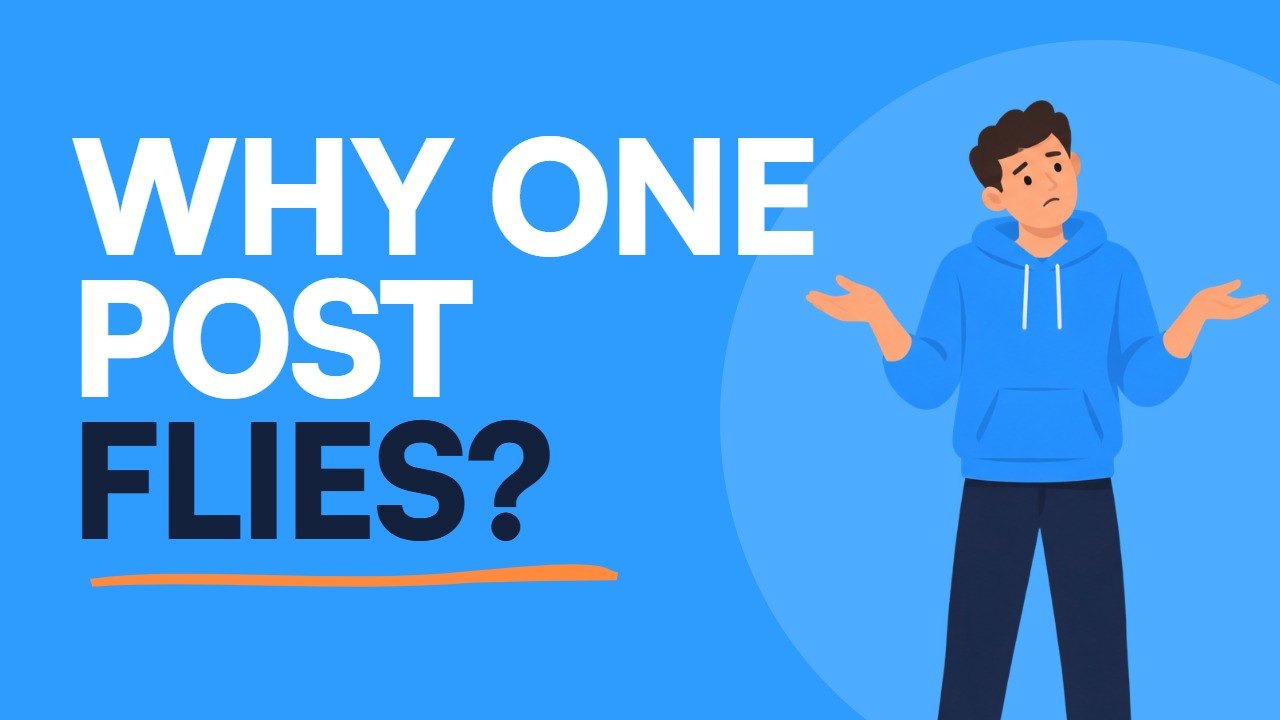 Why One Instagram Post Does Better Than Others, s4digital
How many platforms should a small business be on?
One or two. I'd say that to anyone with fewer than five people. Every extra platform is another place you'll post badly, and an account you post to badly is worse than no account, because people check.
Pick where your customers are already looking, which for most local and service businesses means Instagram, plus either Facebook or LinkedIn depending on whether you sell to people or to other businesses. Do those two like you mean it. You can add a third when the first two are running without you having to think about them. Until then, a dormant TikTok sitting in the background is just clutter.
If you're not sure how the biggest of them decides what to show, how the Instagram algorithm works in 2026 gives you the facts Instagram has actually confirmed, with dates.
Is it better to post often or post consistently?
Consistently, and the data backs a calmer approach than the internet tells you. Buffer analysed 2.1 million Instagram posts from more than 102,000 accounts and published the results in August 2025. Posting three to five times a week got about 12% more reach per post than one or two. Going to ten or more got about 24%. Their own conclusion was that three to five is "likely the sweet spot" and that "the most important factor probably remains content quality".
Read that again. Posting several times more often bought roughly a quarter more reach per post. That's worth having, though not worth burning out for, and it only holds if the posts are decent. A rhythm you can keep up for a year beats a month of daily posting followed by silence.
Decide your minimum, make it embarrassingly small, and never miss it. Two good posts a week, every week, will take you further than seven rushed ones for a fortnight.
Posting several times as often gets you roughly a quarter more reach per post, so a steady, sustainable rhythm beats trying to flood the feed.
Source: Buffer, How often to post on Instagram (2.1 million posts, published 13 August 2025)
Why do real people beat polished ads?
Because people can tell. A glossy ad tells your audience what you want them to think. A real person talking about their work shows them what's true, and viewers trust the second one more. I've seen it on shoots again and again: the moment somebody stops performing and starts explaining the thing they actually do, the room goes quiet and the camera operator stops fidgeting.
It also helps with the thing everyone's worried about right now. AI can make a very polished image in seconds, so polish has stopped being a signal of effort or quality. A real person with a real accent standing in a real workshop is much harder to fake. I wrote more about that in why real people on camera matter in the age of AI content.
Instagram is leaning the same way. On 30 April 2026 it extended its originality rules to photos and carousels, so accounts that mostly repost other people's work stop being recommended. You can't be more original than your own team, your own customers and your own job site.
What's a recognisable format, and why do you need one?
It's a repeatable shape for your posts. The same opening move, the same length and the same kind of ending, so that people know what they're getting before they've pressed play. "Three things I wish customers knew before they called". "One job, start to finish". "Ask the owner". A format gives you something to film on a Tuesday morning when you've got no ideas, and it gives your audience a habit to come back to.
The test is simple: could you make the next ten posts without a brainstorm? If yes, you've got a format. If every post needs a fresh idea, you've got a chore, and chores get dropped by week six.
A story format works particularly well. Storytelling in social media marketing covers how a beginning, a problem and a result turn an ordinary clip into something people watch to the end.
How much do hooks matter?
A lot, because watch time is one of the three signals Instagram's head, Adam Mosseri, has said matter most for ranking, alongside likes and sends (Social Media Today, 22 January 2025). If people leave in the first second, nothing after it counts.
A hook doesn't have to be loud. It has to be a reason to stay. Start on the result, the problem or the odd detail, then explain. "This drain hadn't been cleared in nine years" beats "Hi everyone, welcome to the channel" every time. Cut your own intro. Almost everyone's first sentence is a warm-up for the second.
What makes people send a post to a friend?
Sends are the signal I'd chase, because Mosseri has said they matter most for reaching people who don't follow you yet. In May 2024 he said that in his experience "sends per reach correlate more with overall reach than anything else", and in 2026 he repeated that send rates matter more for people who don't follow you.
Nobody sends a post to say "look at our brand". They send it because it's useful to a particular person, it made them laugh, it says something they couldn't put into words, or it's about someone they know. So before you post, name the person who'd get it. If you can't, rework it.
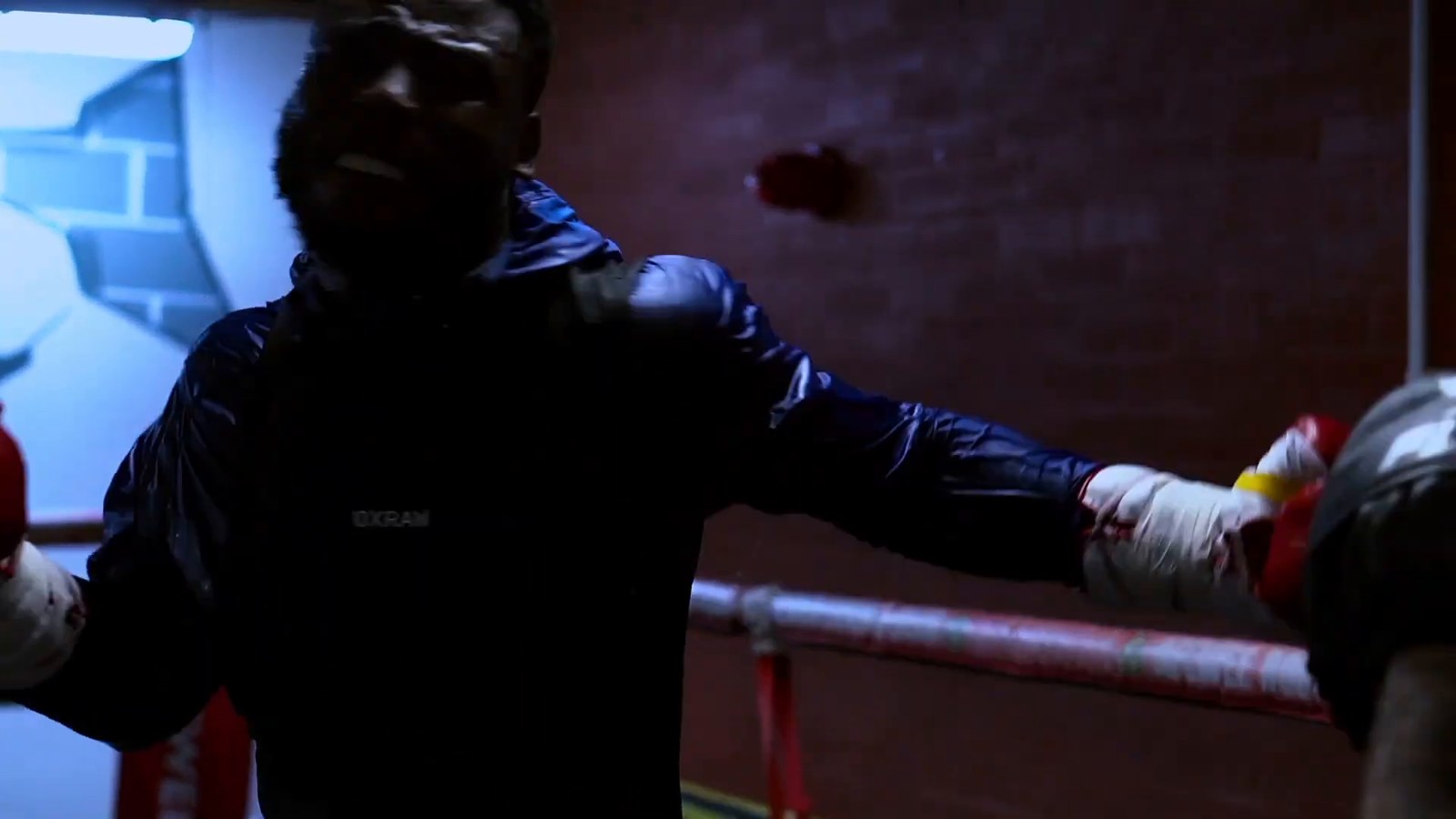
A campaign we filmed, Musk City, was built around exactly that idea: made to be shared, not just to be seen. Our guide to social media videos for business has more on what's worth filming.
Should you reply to every comment?
Yes, with a caveat. Instagram's three named ranking signals don't include comments, so I'm not telling you it's an algorithm hack. I'm telling you it's decent business. Somebody who takes the time to write to you on a post is the person closest to buying, recommending or booking. Replying is how a stranger becomes a conversation, and a conversation is where most enquiries start.
Reply like a person, too. If you're answering the same question five times, that's your next video. Take the question, film the answer, and credit the person who asked if they're happy about it.
What should you actually measure?
Sends, saves, the number of people reached, how long they watched, and above all how many enquiries came in and where from. Likes are the cheapest signal there is. A post can get a hundred likes and nobody calls you, or ten likes and a customer who needed exactly that.
Instagram changed its main number in August 2024 to "views", which counts repeat watches, so it's a fair measure of attention but not of how many different people you reached. Work out your sends divided by reach, as covered in the Instagram piece, and ask every new customer how they found you. That second one is free and almost nobody does it consistently.
I ran this exercise on the accounts we manage. What the numbers said, including where they contradicted the usual advice, is in why one post does better than the others.
What should your first month look like?
Keep it small enough that you'll finish it. Here's what I'd do.
- Week one: choose your platform and write down the ten questions customers ask you most. That's your first ten posts, sorted.
- Week two: film all ten answers in one sitting. Same spot, same light, a few takes each. Batch it, because filming ten in an hour is far easier than filming one on ten different evenings.
- Week three: schedule two a week and don't touch them. Spend the time replying to people instead.
- Week four: look at which two got the most sends and the most enquiries. Make the next batch more like those.
It won't be perfect, and that's fine. Your first ten posts are research. The footage from a real working day gives you a lot more to play with than you'd expect, and nobody scrolling will remember a slightly wobbly first week.
Why do most businesses quit?
In my experience it's usually one of three reasons. They post something, nothing happens, and they take it personally. They've made it too hard to keep going, with a different idea and a fresh edit every time. Or nobody owns it, so it's everybody's job on paper and nobody's in practice.
The fix for all three is the same boring one. Give one person the job, give them a format, and agree in advance that the first three months are for learning rather than for results. If somebody's going to judge it after six weeks, they'll shut it down just before it starts to work.
There's also a point about honesty. Plenty of the posts you see from big brands come with a team and a budget behind them, and a small business can't compete on that. You can compete on being the person who actually does the work and knows your customers by name. That's the one thing a bigger company can't buy.
How long does it take to win on social media?
Give it a year. I can't point you to a study that says twelve months, so take that as my judgement rather than a statistic. What I've seen is that the first three months are for finding your format, months four to six are for finding your audience, and the posts that start to compound tend to arrive after that. Plenty of people quit in week eight, just before it gets interesting.
It also helps if the work you make isn't thrown away after a day. One decent shoot can give you months of material, and how to turn one brand film into a year of content shows how. That's how you keep the rhythm going without filming every week.
Doing one platform properly for a year beats doing five badly for a month.
If you'd like a hand with the filming and the posting, that's what s4digital does for small businesses. Have a look at our films and get in touch if you want to talk it through.