Cinematography is every decision about how a film looks: where the camera sits, what's in the frame, how it's lit, which lens is on, whether the camera moves, and what colour the final image ends up. It's why two films of the same person saying the same words can feel completely different. Good cinematography makes those choices on purpose, so they push the viewer towards a feeling without them noticing they're being pushed.
Most people can't say why a film moved them. They just know it did. Here's what's going on underneath, in plain terms, so you know what you're looking at when you watch a film and what you're paying for when you commission one.
What does a cinematographer actually do?
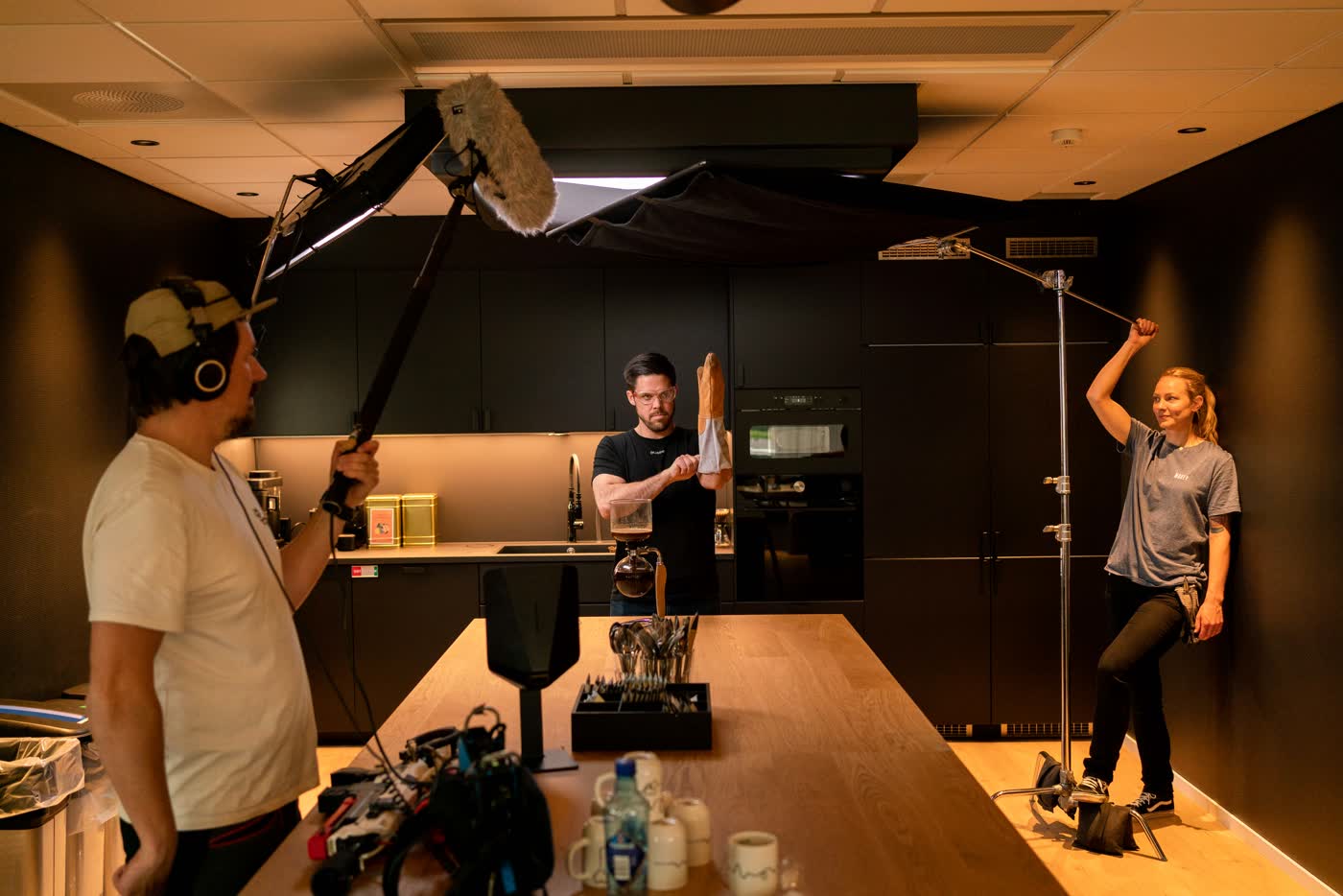
On a big production, the cinematographer, also called the director of photography or DP, is in charge of the image. They work with the director on the look, then lead the camera and lighting teams to get it. On a smaller documentary shoot, one person might direct, operate the camera and light the room. The job is the same either way: turning what's in front of the camera into pictures that tell the story.
A lot of it happens before filming starts. Looking at the locations, deciding how the film should feel, picking lenses, planning where the interviews will sit. On the day it's mostly a long run of small decisions, made fast.
How does framing change how you feel about someone?
Framing is what's in the shot and where it sits. A few choices carry a lot of weight:
- Shot size. A wide shows a person in their world. A mid shot is conversation distance. A close-up puts you near enough to see someone think, which is where a lot of emotion lives in an interview.
- Where the person sits in the frame. Off to one side, with space in the direction they're looking, feels natural and open. Dead centre, with symmetry, feels formal or deliberate. Squeezed against the edge with empty space behind them can feel uneasy or lonely.
- Camera height. Eye level feels equal. A camera looking up at someone can make them feel bigger, and looking down can make them feel smaller.
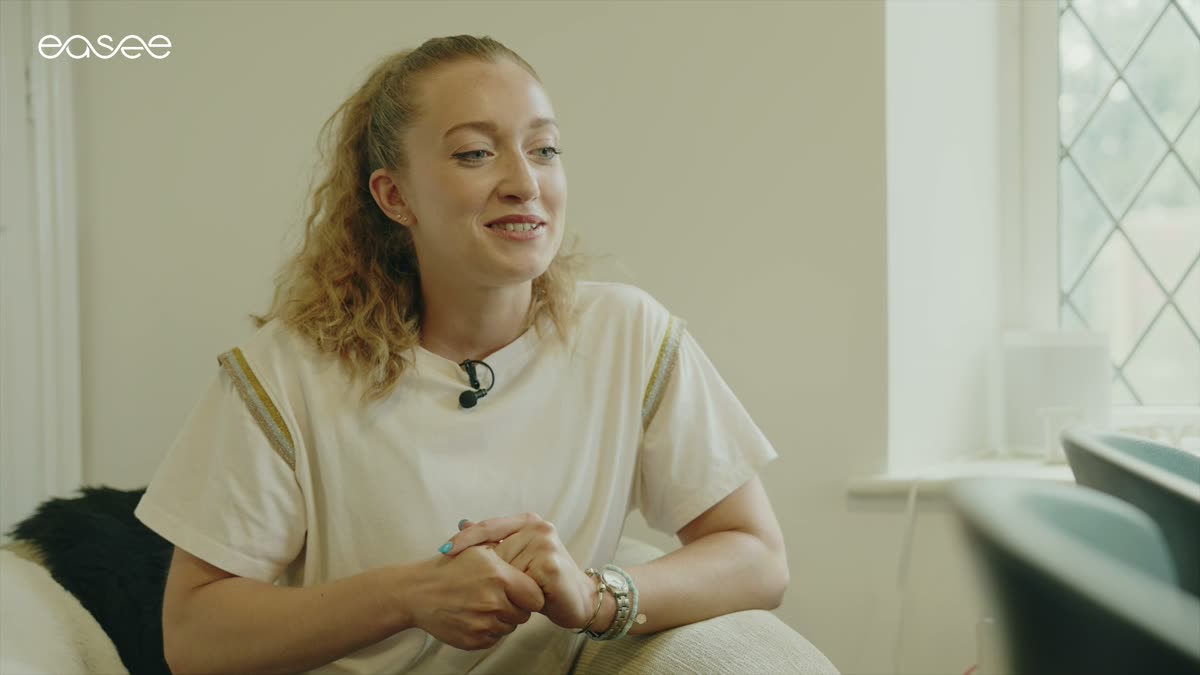
- Eye-line. In documentary, the speaker usually looks just off the lens at the interviewer, which feels like you're overhearing a real conversation. Straight down the lens feels more direct, more like a presenter.
What does light do to the mood?
Light decides where the eye goes and how a scene feels. Bright, even light with soft shadows feels open and safe. Darker images with deep shadows and pools of light feel intimate, serious or dramatic. A lot of good documentary uses motivated light, meaning light that seems to come from a real source in the scene, like a window or a lamp, so it feels honest rather than staged. I've gone through the basics in interview lighting explained simply.
Why does lens choice matter?
Lenses don't just zoom in or out. They change how space looks. A wide lens close to someone puts you in the room with them, with lots of the environment around them, and gets a bit distorted if you go too close to a face. A long lens from further back compresses the space, so the background looks closer and bigger, and isolates the person from everything else.
Then there's depth of field, how much of the image is sharp. A shallow depth of field, where the person is sharp and the background melts into blur, pulls your attention onto them. It's lovely in moderation, but it's become a cliche. Every food advert now is a blurry background, a pair of hands and a voiceover. Deeper focus, where you can see the room, tells you more about where someone lives and works, and in documentary that context is often the point.
I tend to prefer mixing focal lengths in an edit. Wide for the place, mid for the conversation, close for the detail and the emotion. Cutting between them gives the viewer's eye somewhere new to land without the film feeling jumpy.
When should the camera move?
When there's a reason. A camera that moves for no reason feels restless, and viewers pick that up even if they can't say why. Movement that follows something, like a slow push in as someone gets to the heart of a story, or the camera drifting with a craftsperson's hands across a bench, feels natural.
A locked-off camera feels calm and observant. It lets the person do the work. Handheld feels closer and more alive, with a little energy and imperfection in it. Gimbal and slider moves feel smooth and considered. None of them is better in itself. The question is always what the moment needs, which is also why the kit choices, down to what the camera's sitting on, matter more than they look.
Two films of the same person saying the same words can feel completely different.
What is colour grading?
Colour grading is the last stage of the picture, where the colour, brightness and contrast of every shot are adjusted in the edit. It happens in two parts.
Colour correction comes first. It fixes problems and makes shots match: balancing white so skin looks like skin, evening out exposure, and making sure a shot from the morning sits next to one from the afternoon without a jump. A lot of cameras record in a flat, washed out profile called log, which keeps as much detail as possible for the grade. Straight out of the camera it looks grey and lifeless. Correction is what turns it back into a normal image.
The grade is the creative part. Warmer or cooler, softer or punchier, richer or more muted. You'll hear about LUTs, which are preset looks applied to footage, often used as a starting point. A grade can make a workshop feel warm and familiar, or a city feel cold and lonely, and it's a big part of why some films look expensive and others look like video. Skin tones are the priority throughout. If people look ill or orange, the grade's gone wrong, however stylish the rest is. On our films the grade is done by specialists, because it's not a corner worth cutting.
Why do some films make you feel something?
Because all of these choices point the same way. The framing, the light, the lens, the movement and the colour are all agreeing with each other and with the story, so nothing pulls you out and everything nudges you in.
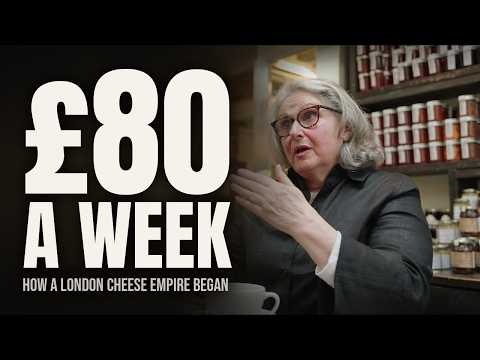 La Fromagerie
With La Fromagerie, the brief we set ourselves was to avoid the usual food film, the one shot like an advert with shallow focus, hands, a voiceover and nobody in it. It's four people's accounts of one business, filmed in open shops and in cheese rooms that are cold and dark. The look has to serve the people and the place, not the other way round.
Cinematography can't rescue a film with nothing to say. That part comes from research, access and the story, which is what our free guide is about. But when the story's there, the pictures are what make someone feel it. If you think your business has a film in it, tell us about it.